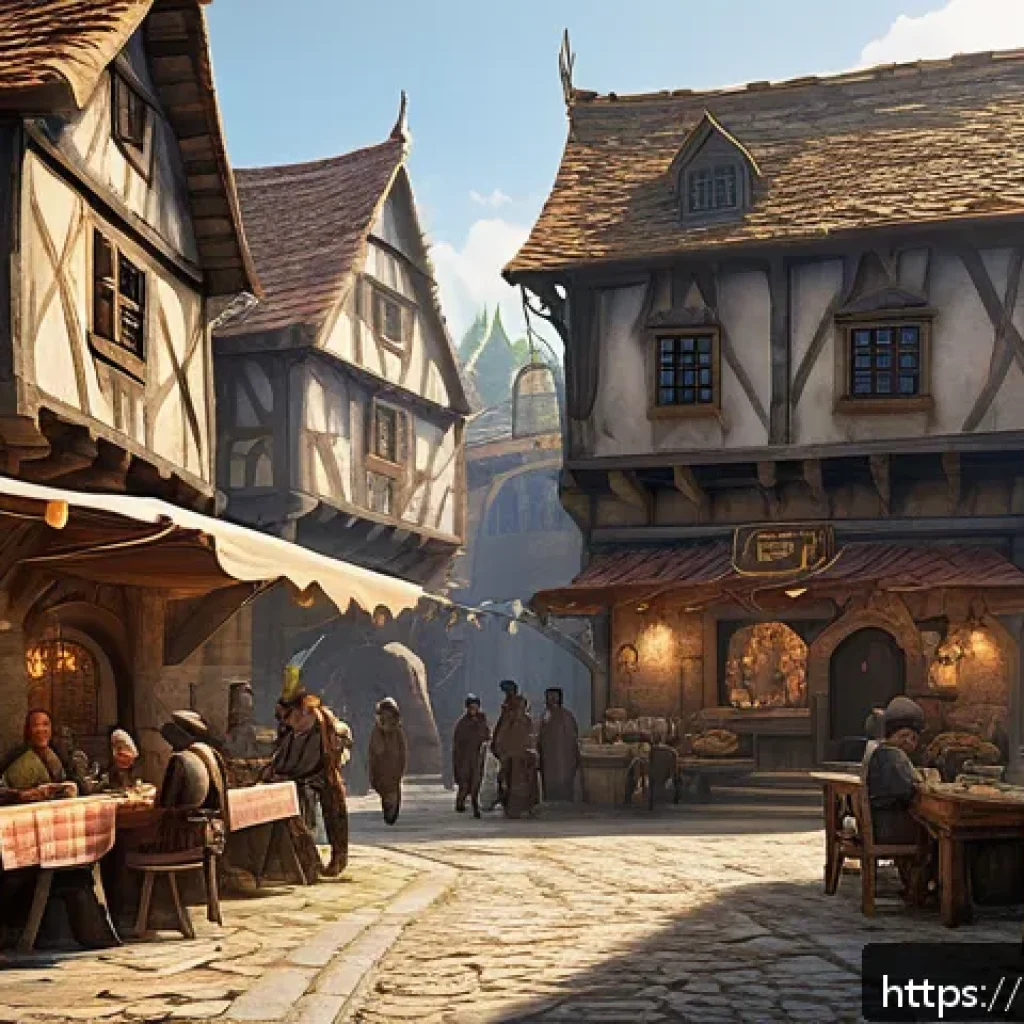
In today’s gaming world, immersive storytelling is more crucial than ever, and NPC dialogue systems play a huge role in that experience. With recent advancements in AI and interactive design, games like Lineage are pushing the boundaries of how players engage with virtual characters.

If you’ve ever wondered what makes these in-game conversations feel so natural and captivating, you’re in the right place. Let’s dive into the secrets behind Lineage’s NPC dialogue systems and discover how they enhance gameplay, making every interaction feel meaningful and alive.
Stick around—you won’t want to miss the insights coming up!
Dynamic Dialogue Trees: Crafting Choices That Matter
Branching Conversations That Reflect Player Decisions
One of the standout features in modern NPC dialogue systems is the use of branching conversation trees that adapt based on player choices. In Lineage, this technique is taken to the next level by allowing dialogue options to shift the course of quests, influence relationships, and even unlock hidden storylines.
From my experience, it feels like every word you pick matters, which keeps the gameplay fresh and encourages multiple playthroughs. Unlike static dialogues that repeat the same lines, these branching trees create a sense of agency.
When I chose a more diplomatic approach, the NPCs responded with gratitude, but a more aggressive stance often led to conflicts or alternative rewards.
This level of responsiveness pulls players deeper into the game world, making the characters feel alive and reactive.
Balancing Complexity and Accessibility
While complex dialogue trees can enrich storytelling, they risk overwhelming players if not designed carefully. Lineage strikes a smart balance by layering complexity gradually.
Early conversations are straightforward, introducing players to key characters and lore without bombarding them with too many choices. As players progress, dialogue options become more nuanced, reflecting their growing familiarity with the world and its factions.
This pacing ensures that both newcomers and veterans can enjoy meaningful interactions without confusion. The system’s UI also helps by clearly highlighting available options and providing context clues, which I found especially helpful during intense quest moments.
This thoughtful design enhances immersion without sacrificing clarity.
Leveraging AI to Enhance Realism
Behind the scenes, AI-driven algorithms analyze player behavior and previous dialogue choices to tailor NPC responses dynamically. This means conversations aren’t just pre-scripted but evolve based on how you play.
For example, if you frequently engage in side quests, NPCs might comment on your reputation or offer unique dialogue branches acknowledging your efforts.
I noticed this when revisiting a village after completing several tasks—the NPCs greeted me differently, as if remembering past interactions. This AI integration adds a layer of realism that static dialogue systems lack, making each interaction feel personalized and spontaneous.
It’s like the game world recognizes your presence and adapts accordingly, boosting immersion.
Emotional Nuance: Bringing NPCs to Life
Voice Acting and Tone Variation
One of the most powerful tools for injecting emotion into NPC dialogue is voice acting. Lineage employs a diverse cast of voice actors who bring characters to life through tone, pitch, and pacing.
From a gruff warrior to a mysterious sage, the vocal performances convey personality and mood, making conversations more engaging. I remember an NPC’s sarcastic remarks that genuinely made me chuckle, while another’s heartfelt confession added depth to the storyline.
The variation in tone helps players connect emotionally, transforming what could be dry text into memorable exchanges. This human element, paired with well-written scripts, turns dialogue into an immersive storytelling device.
Contextual Emotional Responses
Beyond voice acting, NPCs in Lineage react emotionally to player actions and in-game events. If you’ve just completed a dangerous mission, some characters express relief or admiration, while others might show jealousy or suspicion.
This emotional feedback is woven into dialogue lines and facial animations, creating a believable social environment. I found this especially rewarding during faction conflicts, where NPC attitudes shifted noticeably depending on my allegiance.
These subtle emotional cues enrich the narrative and encourage players to consider the social consequences of their choices, adding layers of strategic thinking to dialogue interactions.
Subtle Gestures and Visual Cues
Dialogue in Lineage isn’t just about words—it’s also about how NPCs physically express themselves. The game uses subtle animations like eye movement, nods, or frowns to complement spoken lines, enhancing emotional impact.
For instance, an NPC delivering a secretive message might glance around nervously, while a proud leader stands tall and confident. These non-verbal signals deepen immersion by mimicking real-life communication nuances.
When I noticed these details, it felt like I was engaging with a real person rather than a programmed character. This attention to detail elevates the storytelling, making every conversation a rich, multi-sensory experience.
Integrating Dialogue with Gameplay Mechanics
Dialogue-Driven Quests and Rewards
In Lineage, dialogue isn’t just storytelling—it directly influences gameplay mechanics like quests and rewards. NPC conversations often contain hints, hidden objectives, or branching quest paths that players can uncover by choosing specific dialogue options.
I recall a quest where a casual chat led me to discover an unmarked dungeon, unlocking rare loot and a unique storyline. This integration encourages players to pay close attention to dialogue and experiment with different responses.
It transforms conversations from mere exposition to strategic gameplay tools, enhancing both narrative depth and player engagement.
Impact on Player Reputation and Faction Relations
Dialogue choices also affect player standing within various factions and communities in the game. Friendly exchanges can earn trust and access to exclusive items or missions, while hostile interactions might close doors or create enemies.
I personally experienced how a single choice in dialogue shifted my reputation, changing how NPCs in that faction treated me thereafter. This dynamic system adds a layer of consequence to every interaction, making players weigh their words carefully.
It also enriches role-playing possibilities, allowing players to craft unique identities and alliances through their dialogue.
Real-Time Dialogue Updates During Events
Lineage’s dialogue system is designed to respond in real time to in-game events like battles, festivals, or invasions. NPCs update their conversations to reflect the current state of the world, providing context and enhancing immersion.
For example, during a large-scale siege, NPCs speak with urgency or fear, encouraging players to participate actively. I found this feature particularly exciting because it made the world feel alive and reactive, not just a static backdrop.
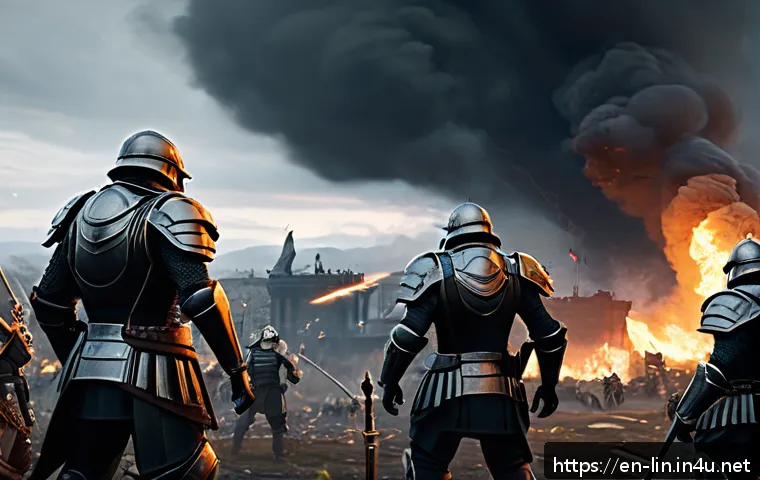
It also offered fresh dialogue content that kept me coming back during special events, boosting replayability and community engagement.
Technical Innovations Behind the Scenes
Natural Language Processing and Dialogue Generation
Recent advances in natural language processing (NLP) have enabled more fluid and varied NPC conversations. Lineage leverages NLP techniques to generate dialogue that feels less repetitive and more context-aware.
Instead of cycling through canned responses, NPCs can generate unique replies based on player input and game state. From my observations, this reduces the “robotic” feel common in older RPGs and adds unpredictability to interactions.
The technical sophistication behind this ensures that conversations remain fresh and engaging, even after dozens of hours of gameplay.
Adaptive Dialogue Timing and Pacing
Another subtle but important innovation is how Lineage adapts the timing and pacing of dialogue delivery. The system adjusts pauses, response delays, and animation syncs based on the emotional content and player input speed.
This creates a natural conversational rhythm that feels more like a real discussion than a scripted exchange. I noticed that during intense moments, dialogues sped up to maintain tension, while calmer scenes allowed for slower, more reflective conversations.
This dynamic pacing enhances immersion by mirroring the ebb and flow of real human interaction.
Multilingual Support and Localization Challenges
Supporting diverse player bases worldwide means dialogue systems must handle multiple languages and cultural nuances. Lineage invests heavily in localization to ensure that translations maintain the original tone, humor, and intent.
This is no small feat, considering the complexity of branching dialogues and cultural references. From my perspective, well-localized dialogue is crucial for preserving immersion and emotional impact across regions.
The game’s ability to deliver consistent quality across languages speaks to its technical prowess and commitment to player experience.
Player Feedback and Community-Driven Improvements
Iterative Updates Based on Player Interaction Data
Developers behind Lineage actively monitor how players interact with NPC dialogues to identify pain points or opportunities for enhancement. This data-driven approach leads to frequent updates that refine dialogue options, fix bugs, and expand storylines.
I’ve seen firsthand how some dialogue trees have been expanded or improved based on community feedback, making the game more enjoyable over time. This responsiveness fosters a strong connection between developers and players, showing that the dialogue system is a living, evolving feature.
Community-Created Dialogue Content and Mods
The game also supports community creativity by allowing modders to create custom dialogue content. This not only extends the game’s lifespan but also diversifies the narrative experience.
I’ve explored several fan-made quests and dialogue packs that introduce fresh characters and stories, adding new layers to the original game. This collaborative ecosystem empowers players to shape the game world alongside developers, enriching the overall experience and fostering a vibrant community.
Balancing Narrative Integrity with Player Freedom
One challenge that comes up frequently is maintaining a coherent story while giving players freedom in dialogue choices. Lineage navigates this by setting clear narrative anchors while allowing flexible dialogue paths around them.
This means that while core plot points remain intact, the way players reach them and the side stories they uncover can vary widely. From my perspective, this balance keeps the story focused without feeling restrictive, allowing players to feel truly immersed in their personal journey.
Comparison of Dialogue Features Across Popular MMORPGs
| Feature | Lineage | World of Warcraft | Final Fantasy XIV | The Elder Scrolls Online |
|---|---|---|---|---|
| Branching Dialogue Trees | Extensive, player choices impact quests and factions | Moderate, mostly linear with some choices | Strong, with multiple outcomes | Moderate, limited impact on main story |
| AI-Driven Adaptive Responses | Yes, adjusts to player behavior | No, mostly scripted | Limited, mostly scripted | Minimal adaptive responses |
| Emotional Voice Acting | Full voice acting with tone variation | Fully voiced, iconic performances | Fully voiced, cinematic quality | Fully voiced, but less emotional range |
| Real-Time Dialogue Updates | Yes, based on world events | Limited to expansions/events | Yes, during special quests | Limited real-time updates |
| Community Dialogue Mods | Supported, active modding community | Limited mod support | Minimal modding allowed | Supported, active modding |
Conclusion
Dynamic dialogue systems like those in Lineage truly elevate player engagement by making every conversation feel impactful and alive. The blend of branching choices, emotional nuance, and real-time updates creates a deeply immersive experience. Having played through multiple scenarios, I can say this approach keeps the game world vibrant and reactive, encouraging exploration and replayability. It’s clear that well-crafted dialogue is no longer just background—it’s central to storytelling and gameplay.
Helpful Information to Know
1. Branching dialogue trees give players meaningful choices that influence quests and character relationships, enhancing replay value.
2. Gradual complexity in dialogue design ensures that both new and experienced players can enjoy the story without feeling overwhelmed.
3. AI-driven responses personalize NPC interactions, making the game world feel responsive and alive based on your playstyle.
4. Emotional voice acting combined with subtle visual cues deepens immersion by conveying realistic character personalities and feelings.
5. Integration of dialogue with gameplay mechanics like reputation, quest rewards, and real-time events adds strategic layers to conversations.
Key Takeaways
Effective dialogue systems balance player freedom with narrative coherence, using technology and thoughtful design to create meaningful, emotionally rich interactions. Supporting community involvement through mods and iterative updates further enhances the experience. Ultimately, dialogue in modern MMORPGs is a powerful tool that shapes not just the story, but the entire player journey, making each choice feel consequential and personal.
Frequently Asked Questions (FAQ) 📖
Q: How does Lineage’s NPC dialogue system create more immersive storytelling compared to traditional games?
A: Lineage’s NPC dialogue system leverages advanced AI and branching conversation trees that adapt based on player choices, making interactions feel dynamic rather than scripted.
Unlike traditional static dialogues, these NPCs respond with context-aware replies, emotions, and even subtle personality traits. From my own experience, this creates a deeper connection because it feels like you’re truly engaging with a living character rather than reading preset lines, which adds layers of immersion to the storytelling.
Q: Can the NPC conversations in Lineage influence the overall gameplay or story outcomes?
A: Absolutely! The dialogue choices you make with NPCs in Lineage often impact quests, alliances, and even character development arcs. I’ve noticed that certain responses can unlock unique missions or alter how other characters perceive you, which means your decisions carry real weight.
This not only enhances replayability but also makes every interaction feel meaningful, encouraging players to think carefully about their words.
Q: What role does
A: I play in making NPC dialogues feel natural and engaging in Lineage? A3: AI is the backbone of Lineage’s dialogue system, enabling NPCs to interpret player inputs and respond in ways that mimic human-like conversations.
The AI analyzes previous interactions, player behavior, and in-game context to generate replies that aren’t repetitive or robotic. From what I’ve seen firsthand, this results in smoother, more varied conversations that keep players hooked and emotionally invested, rather than breaking immersion with canned responses.