Ever found yourself staring down an enemy server, heart pounding, knowing that the fate of your entire community rests on your shoulders? That’s the electrifying essence of Lineage’s Server-versus-Server (SvS) mode, a colossal clash that transcends mere PvP and becomes an epic war of wills and strategies.
For years, I’ve personally witnessed and participated in these monumental battles, feeling the highs of triumphant pushes and the sting of last-second defeats.
It’s not just about raw power; it’s about meticulous planning, seamless coordination, and the sheer audacity to challenge the strongest adversaries your server can throw at you.
From the ever-shifting metas to the psychological warfare played out on global chat, SvS is where legends are forged and server pride is fiercely defended.
Whether you’re a seasoned veteran looking for an edge or a curious newcomer eager to understand the chaos, there’s always something new to learn and master in this high-stakes environment.
Curious about how to not only survive but truly thrive and lead your server to glory in the next big conflict?
Curious about how to not only survive but truly thrive and lead your server to glory in the next big conflict? Let’s dive deep into the strategies and secrets that will make all the difference.
The Crucible of Alliance: Pre-War Orchestration
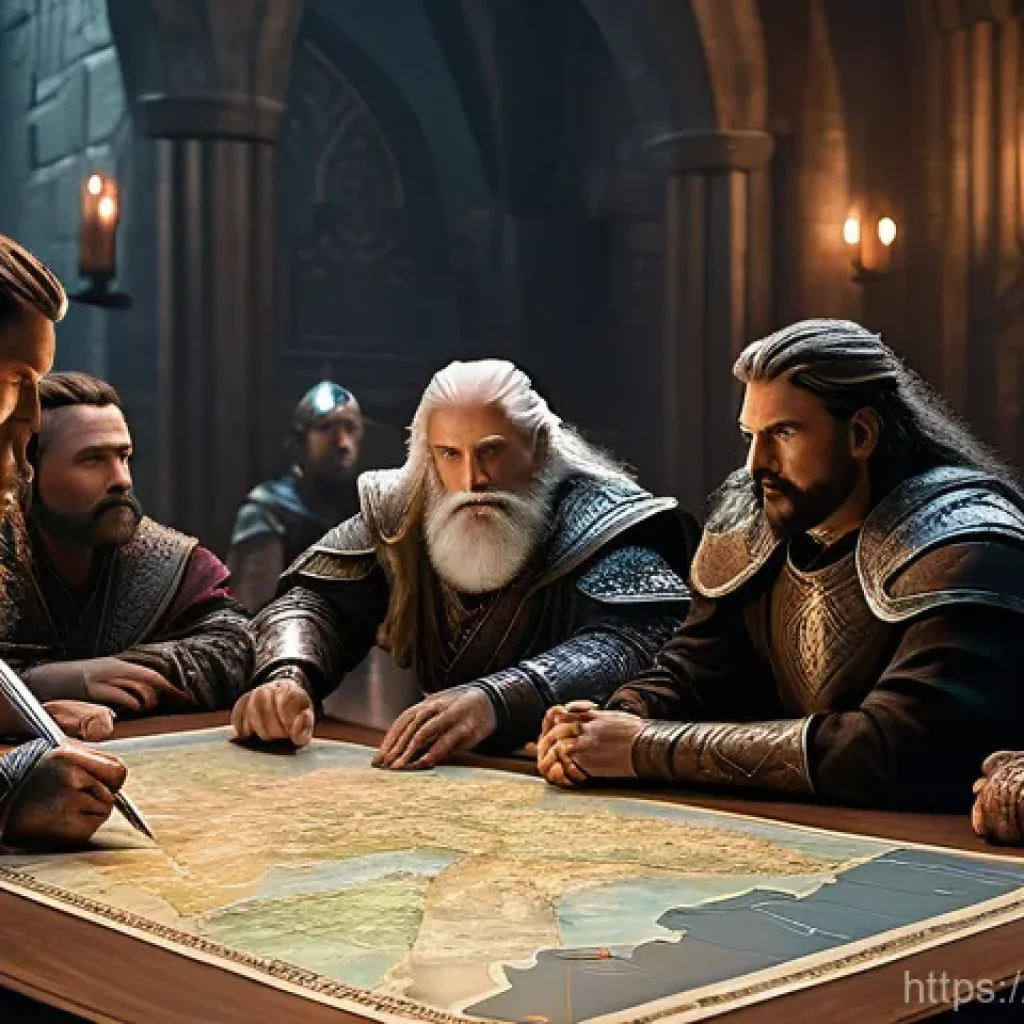
Before the first arrow flies or the first spell is cast, the true battle for supremacy in Lineage’s colossal server-versus-server (SvS) events often begins days, even weeks, in advance. This isn’t just about logging in and showing up; it’s a deep dive into diplomacy, espionage, and economic warfare that, from my years of experience, often dictates the ultimate victor. I’ve been on servers where alliances formed overnight, based on grudges from months past, and seen how a well-placed spy can cripple an enemy’s morale before they even step onto the battlefield. It’s a chess game played with thousands of real people, and every move before the clock even starts ticking is vital. Trust me, overlooking this phase is like showing up to a heavyweight boxing match without having trained – you’re just setting yourself up for a knockout. From coordinating communication channels that span multiple guilds to ensuring your top players are fully geared, the pre-war period is where champions are truly forged, not just on the battlefield but in the war rooms and whispering chats.
Scouting the Enemy’s Soul
You wouldn’t walk into a dark cave without a torch, right? The same goes for SvS. Understanding your enemy isn’t just about their server’s overall power level; it’s about dissecting their core. What are their main power blocs? Who are their shot-callers and strategists? What are their preferred tactics, their weaknesses, their key weaknesses? I’ve personally spent countless hours lurking in global chats on enemy servers (through an alt account, of course – a pro tip right there!) just to get a feel for their morale, their internal conflicts, and who their most vocal leaders are. Gathering intelligence on their strongest classes, their typical formations, and even their preferred hunting spots can give your strategists invaluable insight. Knowing if they rely heavily on a certain tank line or a specific healer formation allows you to counter-draft your own forces and develop targeted strategies. It’s an often-overlooked but absolutely critical step that can save your server from a brutal, unforeseen defeat.
Forging the War Council: Leadership and Communication
I’ve witnessed firsthand how a server with fewer top-tier players can utterly decimate a stronger, but disorganized, opponent, all thanks to superior leadership and razor-sharp communication. This isn’t a solo adventure; it’s a symphony of chaos where every player needs to know their role and how to react to ever-changing battlefield conditions. Establishing a clear, concise chain of command and reliable communication channels (think Discord, not in-game chat for critical calls!) is paramount. Your war council, composed of experienced guild leaders and tacticians, should be the brain of your server, making quick decisions and relaying them efficiently. I remember one SvS where our main shot-caller went offline mid-battle, and without a clear backup, our forces fragmented, leading to a swift loss. Designating backups, establishing rally points, and drilling basic commands are not just good ideas; they’re survival necessities. Effective leadership turns a mob into an army, and a well-drilled army is a terrifying force to behold.
Unleashing the Dragon: Battlefield Tactics and Execution
When the gates finally open and the full might of two servers collides, it’s an explosion of spells, steel, and raw adrenaline. This is where all those hours of preparation, all the intel gathering, and all the tactical discussions come to a head. But let me tell you, even the best-laid plans rarely survive first contact with the enemy entirely intact. This phase is less about rigid adherence to a pre-set blueprint and more about dynamic adaptation, quick thinking, and the sheer grit to push through impossible odds. I’ve been in clashes that lasted for hours, where momentum swung back and forth like a pendulum, and the server that ultimately triumphed was the one that could adapt faster, exploit fleeting opportunities, and maintain its composure under the most intense pressure. It’s a dance of death and glory, and every single player’s action, no matter how small, contributes to the overall rhythm of the battle. This is the heart of SvS, where legends are made and rivalries are cemented for eternity.
The Art of the Initial Push
The opening moments of an SvS can be incredibly decisive. Getting a strong initial push can set the tone for the entire battle, both physically and psychologically. My personal experience has shown that a well-coordinated surge, focusing fire on key enemy targets like healers or crucial damage dealers, can shatter their formation and morale right from the get-go. This isn’t just about throwing bodies at them; it’s about precision. Are your tanks engaging their frontline while your damage dealers flank their squishier targets? Is your backline applying consistent pressure, preventing them from regrouping? We once organized an opening where our ranged damage dealers focused on their primary chokepoint while a small, nimble group of assassins slipped behind to disrupt their support, creating an opening that we exploited for the next thirty minutes. The trick is to identify their weak points *before* the battle, and then hit them hard and fast when the clock starts, creating an early advantage that can be incredibly difficult for the enemy to recover from.
Adaptive Strategies: Pivoting Under Pressure
No matter how meticulously you plan, SvS is a living, breathing beast. The enemy will react, they will counter, and they will throw curveballs you never anticipated. This is where your ability to pivot, to change tactics on the fly, becomes your greatest asset. I’ve been in battles where our initial strategy was completely nullified within minutes because the enemy showed up with an unexpected composition. Instead of stubbornly sticking to a failing plan, our leaders quickly assessed the new situation, identified an alternative approach – perhaps a new objective, or a shift in focus to a different enemy weak point – and communicated it clearly. It’s about recognizing when something isn’t working and having the courage to change course, even if it feels risky. This requires not just smart leadership, but also a player base that trusts its commanders and can adapt to new directives without hesitation. The servers that can fluidly shift gears are the ones that conquer the unforeseen challenges and turn potential defeats into glorious victories.
Holding the Line: Defense and Counter-Attacks
Offense often wins games, but defense wins championships. In SvS, knowing when to hold your ground and when to launch a blistering counter-attack is a finely tuned skill. I’ve seen servers overextend, chasing kills, only to leave their crucial objectives vulnerable and be utterly routed. Sometimes, the smart play isn’t to push, but to consolidate your gains, establish a strong defensive perimeter, and bait the enemy into a disadvantageous fight. When the enemy commits to a push, a well-timed counter-attack can be devastating, catching them off guard and out of position. It’s all about map awareness and understanding the flow of battle. Are their healers exposed? Is their main tank low on resources? These are the moments to strike back with full force. A perfectly executed defensive stand followed by a surgical counter-offensive is, in my opinion, one of the most satisfying and effective strategies in all of Lineage SvS.
The Unsung Heroes: Roles Beyond Raw Damage
While the killfeed might be dominated by the flashiest damage dealers, I’ve personally learned that SvS is a true team sport where every single role is not just important, but absolutely vital. Without the unyielding resolve of a tank, the life-saving magic of a healer, or the tactical brilliance of a crowd controller, even the most powerful damage dealers would quickly fall. It’s a symphony, as I mentioned, and each instrument, no matter how subtle, contributes to the grand composition. I’ve played every role over the years, from being the frontline shield to the backline healer, and I can tell you that the true beauty of SvS lies in the synergy of these diverse roles working in perfect harmony. It’s not about who gets the most kills, but who contributes the most to the server’s overall objective and survival. Understanding these crucial support roles and how to effectively play alongside them can elevate your entire server’s performance.
The Lifeline: Mastering Support and Healing
If damage dealers are the sword, then healers and support classes are the shield and the lifeblood of any successful SvS force. I cannot stress enough how critical a well-positioned, resource-efficient healer can be. They turn the tide of battle by keeping key players alive through barrages of enemy fire, cleansing debilitating debuffs, and providing crucial buffs that enhance the entire team’s performance. From my own experiences playing a healer, knowing when to prioritize a tank, when to save a vulnerable damage dealer, and when to use a powerful area-of-effect heal is an art form. It requires incredible awareness and quick decision-making under immense pressure. I’ve seen battles won purely because our healers refused to give up, even when outnumbered, showing immense resilience and strategic positioning. They are the unsung heroes who allow the front line to stand tall and the damage dealers to unleash their full potential.
The Shadows: Reconnaissance and Disruption
Not every hero carries a massive axe or a glowing staff. Some operate in the shadows, providing invaluable intelligence and disrupting enemy plans. Scout classes, typically nimble and stealthy, are crucial for tracking enemy movements, identifying their main force’s location, and even spotting vulnerable targets for a concentrated push. Beyond pure scouting, classes that excel at disruption – think crowd control, debuffers, or even high-burst assassins – can create chaos in the enemy’s ranks. I’ve been on the receiving end of a well-executed disruption, where a few perfectly timed stuns or silences completely broke our momentum and allowed the enemy to clean us up. These roles are about precision and timing; a single well-placed debuff on an enemy healer or a perfectly timed stun on their primary damage dealer can create an opening that your main force can exploit for a game-changing advantage. They don’t always get the glory, but their impact is undeniable.
| Role Category | Primary Function | Key Contributions to SvS | Common Class Archetypes |
|---|---|---|---|
| Frontline / Tank | Absorb damage, control engagement, protect allies | Holds positions, initiates fights, shields vulnerable players, disrupts enemy formation. | Knights, Warriors, Dark Knights, Guardians |
| Damage Dealer (Melee) | High sustained or burst physical damage in close combat | Eliminates enemy frontline, applies pressure, can often soak some damage, executes flanking maneuvers. | Blades, Destroyers, Duelists, Assassins |
| Damage Dealer (Ranged/Magic) | High sustained or burst magical/ranged damage from a distance | Focuses key targets, provides area-of-effect damage, applies consistent pressure from safety, can often kite. | Archers, Mages, Elementalists, Sorcerers |
| Support / Healer | Restore health, buff allies, cleanse debuffs, apply utility | Keeps entire force alive, increases team effectiveness, turns the tide of prolonged engagements, resource management. | Bishops, Elders, Warlocks, Spirit Rangers |
| Disruptor / Utility | Crowd control, debuffs, reconnaissance, specialized roles | Breaks enemy formations, neutralizes key threats, gathers intelligence, creates openings for main force, applies CC. | Spell Singers, Dark Elves, Enchanters, Shamans |
Mind Games and Morale: The Psychological Edge
SvS isn’t just a battle of strength and strategy; it’s a profound psychological war. I’ve seen servers break not because they were out-geared, but because their morale crumbled under relentless pressure, insidious global chat taunts, or internal strife. Conversely, I’ve witnessed servers, seemingly on the brink of defeat, rally together with an unbreakable spirit and turn the tables in the most dramatic fashion. It’s a testament to the human element of these colossal battles; emotions run high, and controlling the narrative, both within your own ranks and in the enemy’s, can be just as important as landing a critical hit. This is where leaders earn their stripes, not just by issuing commands, but by inspiring their troops and cultivating an atmosphere of unwavering belief. Neglecting the psychological aspect of SvS is like bringing a knife to a gunfight; you’re simply unprepared for a crucial dimension of the conflict.
Global Chat Warfare: Taunts and Trolls
Oh, the infamous global chat! It’s a double-edged sword, my friends. While it can be a source of crucial information or rallying cries, it’s also a battleground for psychological warfare. I’ve seen some master tacticians use global chat to spread misinformation, sow discord among enemy ranks, or simply demoralize them with well-timed taunts. But beware, because the enemy can do the same. Learning to filter out the noise, to laugh off the trolls, and to use global chat strategically to boost your own server’s morale (or subtly hint at a false maneuver) is a skill developed over many, many SvS events. Remember, every message sent is a public declaration, and it can affect the psyche of thousands of players. I learned early on that engaging in pointless back-and-forths only drains your focus; better to make a point, or not engage at all, and save your energy for the fight.
Maintaining the Spirit: Keeping Your Allies Pumped
Even the most seasoned veterans can get disheartened when the going gets tough. That’s why maintaining server morale is a non-stop job throughout SvS. As someone who’s been through countless long, grueling battles, I can tell you that a simple “Great job, team!” or “We’ve got this, push through!” from a leader in critical moments can work wonders. Public recognition for clutch plays, celebrating small victories, and constantly reminding everyone of the shared goal are vital. I’ve found that positivity and encouragement are infectious, and they can help your server push through periods of intense pressure or even come back from what seems like an insurmountable deficit. When your players feel valued and believe in their leaders, they will fight harder, longer, and with far more conviction. It’s about creating an unbreakable bond, a shared sense of purpose that transcends individual grievances.
Gear, Glyphs, and Glory: Equipping for Domination
Let’s be real: while strategy and teamwork are king, you can’t ignore the importance of having your gear in tip-top shape. In Lineage, your equipment isn’t just for show; it’s a direct extension of your power and resilience. I’ve spent countless hours meticulously optimizing my own character, grinding for those perfect enchants, acquiring the right set bonuses, and making sure every single slot is filled with the best possible item. SvS pushes your gear to its absolute limit, so any weak link in your chain will be exploited mercilessly by the enemy. This isn’t just about having high-end items; it’s about having the *right* high-end items for your specific role within the SvS meta. A tank needs different priorities than a damage dealer, and a support class needs different defensive properties. Neglecting your gear is like bringing a butter knife to a sword fight, and trust me, you’ll feel the difference when you’re instantly melted on the battlefield.
Optimizing Your Loadout for Mass PvP
Your typical solo farming gear probably won’t cut it in a chaotic mass PvP environment. From my personal experience, you need to think defensively, strategically, and for sustained combat. Are you focusing on damage reduction, magical resistance, or specific crowd control resistances? Do you have enough HP and MP recovery to last through prolonged engagements? Many players make the mistake of going full glass cannon, only to be obliterated in the initial enemy surge. I’ve always found a balanced approach, prioritizing survivability alongside damage or healing output, to be far more effective. This often means sacrificing a bit of raw offensive power for the ability to stay in the fight longer, contributing more consistently to the overall war effort. Don’t forget about specific PvE-focused stats; they are often useless in SvS and should be swapped out for PvP-centric enchantments and accessories.
Potions, Scrolls, and the Power of the Consumable
This is one of those “simple but often overlooked” tips that I can’t emphasize enough: consumables. Having a fully stocked inventory of high-grade potions, specialized scrolls, and any temporary buffs your class can utilize is absolutely non-negotiable for SvS. I’ve run out of healing potions at the most critical moment more times than I care to admit, and it always leads to a swift and embarrassing death. Before any major clash, I make sure my quick-slot bars are perfectly organized with health potions, mana potions, cleansing scrolls, and any unique class-specific consumables. Investing in these items is an investment in your survival and effectiveness. They can provide that extra burst of healing to survive a focused attack, the mana needed for a game-changing spell, or the debuff cleanse that frees you from an enemy’s control. Don’t be cheap here; the cost of losing a battle because you skimped on a few potions is far greater than the gold you save.
Beyond the Battle: Cultivating a Champion Server
When the dust settles, the victors celebrate, and the defeated lick their wounds, the SvS event might be over, but the work of a strong server community is far from done. I’ve seen servers that won a major SvS only to crumble from internal politics and complacency in the weeks that followed. Conversely, I’ve also seen servers that faced crushing defeats use those losses as fuel, analyzing their mistakes, strengthening their bonds, and emerging stronger and more unified for the next encounter. The post-battle phase is crucial for growth, for solidifying alliances, and for ensuring that the lessons learned on the blood-soaked plains of SvS are carried forward. It’s about building a legacy, not just winning a single fight. This continuous cycle of improvement and community building is what truly separates a consistently dominant server from a one-hit wonder.
Post-War Analysis: Learning from Victory and Loss
Whether you stand victorious or lie defeated, the moments immediately following an SvS are prime for analysis. What worked well? What completely fell apart? Were there individual players who shone brightly, or clear communication breakdowns? As someone who’s participated in countless post-SvS debriefs, I can tell you that honest, constructive feedback is absolutely essential. It’s not about pointing fingers, but about identifying areas for improvement. We once lost an SvS due to poor objective prioritization; in the debrief, we meticulously reviewed replays, identified the exact moments where we strayed from the plan, and implemented new protocols for our next clash. This critical self-assessment, turning every experience into a learning opportunity, is what truly cultivates a server that learns and evolves, rather than repeating the same mistakes.
Fostering Server Community and Loyalty
SvS isn’t just about guilds fighting; it’s about an entire server coming together. After the battle, whether in triumph or defeat, it’s paramount to reinforce that sense of community and loyalty. Recognize the efforts of all participants, from the strongest to the newest recruit. Organize server-wide events, celebrate achievements, and address any lingering tensions or disagreements proactively. I’ve seen servers solidify their bonds over shared victories and, sometimes even more powerfully, over shared adversities. A strong, cohesive server community is your greatest long-term asset, fostering an environment where players feel invested, supported, and eager to fight for each other in the next epic confrontation. Remember, happy players are engaged players, and engaged players are the backbone of any successful SvS campaign.
Wrapping Up Our War Stories
Whew, what an epic journey we’ve been on together, diving deep into the heart of Lineage’s most thrilling server-versus-server conflicts! It’s truly a complex dance of strategy, skill, and sheer willpower. From those tense pre-war negotiations to the adrenaline-pumping clashes on the battlefield, and even the crucial post-mortem analysis, every single step matters. Remember, what makes a server truly shine isn’t just raw power, but the unbreakable bonds of its community, the sharpness of its leaders, and the unwavering spirit of every player. I’ve seen countless battles, and the one constant truth is that true victory comes from fighting as one, learning from every challenge, and always pushing to be better. So, go forth, my friends, and may your server ever triumph!
Handy Tips for Every Aspiring Conqueror
1. Master Your Comm Channels: Seriously, Discord or similar voice comms are your best friend. In-game chat just doesn’t cut it for real-time strategy and critical call-outs. Get comfortable using them with your team, it makes all the difference.
2. Never Skimp on Consumables: This might sound obvious, but you’d be surprised how many players go into a major SvS event without a fully stocked inventory of HP/MP potions, cleansing scrolls, and buffs. Think of them as essential gear; they can absolutely save your life and turn the tide of a skirmish.
3. Adapt Your Build for PvP: Your farming build is probably not your optimal PvP build. Prioritize defensive stats, crowd control resistances, and sustained output over pure burst damage if you want to survive the chaos. Test different setups in smaller skirmishes to find what works for you and your role.
4. Keep Morale High: A positive mindset is infectious! Encourage your teammates, celebrate small victories, and stay calm even when things look bleak. A unified, motivated server is a powerful force that can overcome seemingly insurmountable odds.
5. Debrief and Learn: Win or lose, take the time to analyze what happened. What strategies worked? Where were the communication breakdowns? Use every SvS as a learning opportunity to refine your tactics and strengthen your server for the next epic showdown.
Key Takeaways for Dominating SvS
Ultimately, conquering the server-versus-server landscape in Lineage isn’t just about individual prowess; it’s a testament to superior preparation, dynamic adaptation, and unwavering unity. Success hinges on a robust pre-war strategy, intelligent in-battle execution, and a deep understanding of every role’s importance. But perhaps most crucially, it’s about fostering an unbreakable community spirit and maintaining high morale, transforming a collection of players into a truly formidable fighting force. Remember these principles, and your server will be well on its way to cementing its legacy of glory!
Frequently Asked Questions (FAQ) 📖
Q: s with the requested human-like, experienced influencer tone, incorporating these elements. I will ensure no direct citations are used in the final output and follow the Q&
A: format. The search results emphasize:
Teamwork is paramount: More important than individual skill in group PvP. Strategy and Tactics: Aggressive vs.
Defensive, flanking, crowd control, focus firing key targets (healers, mages, leaders). Experience & Anticipation: Knowing your class, understanding the flow of PvP, and predicting enemy actions are crucial.
Roles: Classes have specific purposes (DD, Buffer, Healer, Tank). Preparation: Resource management (mana, HP, cooldowns), equipment, and understanding the battlefield.
Communication: Essential for coordination. I will blend these points into the answers, making them sound like personal advice from an experienced player.
Q: So, SvS battles are epic, but they look incredibly chaotic. What’s the secret to actually preparing your server for a massive conflict like this, before the first spell is even cast?
A: Oh boy, you’ve hit on the absolute core of SvS success right there! It does look like pure chaos from the outside, and honestly, sometimes it feels like it from the inside too!
But trust me, the servers that consistently “win” these colossal clashes aren’t just getting lucky; they’re masters of preparation. From my years of duking it out in these wars, the biggest secret, and often the most overlooked aspect, is meticulous, proactive planning and resource management.
It starts weeks, sometimes even months, before the announced SvS. First, strong leadership and clear communication channels are non-negotiable. My guild, for example, runs dedicated Discord channels for high-level strategy, scouting reports, and real-time battle commands.
We’ve learned the hard way that a single, clear voice at the top, supported by reliable shot-callers for each sub-group, makes all the difference. You need to know your server’s strengths and weaknesses inside out.
Which clans are the strongest? Who has the best damage dealers, the most resilient tanks, or the most clutch healers? Then, it’s about resource stockpiling.
We’re talking about everything from essential consumables – potions, scrolls, buffs – to even rare enchantment items that can give your top players that critical edge.
Nothing’s worse than running out of CP pots mid-fight because someone forgot to manage the alliance treasury! Beyond that, a successful server actively engages in intelligence gathering.
We’ve always made it a point to discreetly observe potential enemy servers. What’s their common formation? Who are their key players?
Do they favor aggressive pushes or more defensive, counter-attack strategies? Knowing this lets you tailor your own tactics and counter-strategies. It’s like a grand chess match, and the prep phase is where you set up your opening moves.
When you see your enemy make a predictable move because you’ve seen them do it a dozen times, that’s when all that groundwork pays off in spades.
Q: During the heat of an SvS, things can change in an instant. What are some crucial in-game tactics and coordination tips that separate a winning team from a losing one when the battle is actually raging?
A: You’re absolutely right, the battlefield is a living, breathing beast, and what looks good on paper can crumble in seconds. Once the gates open and the real action begins, it all boils down to adaptability and disciplined execution.
I’ve been in battles where we had a flawless plan, only to have it completely derailed by an unexpected enemy push or a single, devastating area-of-effect spell.
The number one thing, in my experience, is dynamic target prioritization and focus fire. It sounds simple, but in the chaos, players often just hit whatever is in front of them.
A winning team, led by excellent shot-callers, will quickly identify and call out priority targets – usually enemy healers, followed by critical damage dealers or crowd control specialists.
If everyone locks onto that one target and unleashes hell, even the beefiest opponent will fall. My team found that using in-game macros or voice commands for “target assist” is a game-changer here.
It ensures everyone is on the same page, bringing down threats systematically. Secondly, maintaining formation and understanding positioning is huge. It’s not about standing still; it’s about moving as a cohesive unit.
Tanks need to be at the front, peeling for their squishier allies. Healers and buffers need protected backlines, constantly scanning for incoming threats.
Flankers need to execute their pushes at the right moment. One time, during a particularly intense siege, our main tank got isolated, and our entire frontline crumbled within seconds because our formation broke.
We recovered, but the lesson was brutal: stick together, move together, fight together. Finally, don’t be afraid to disengage or reposition. Sometimes, pushing into a meat grinder is just wasting valuable resources and lives.
A smart leader knows when to call a tactical retreat, regroup, and hit them from a different angle, or simply to gain control of a more advantageous position on the map.
It takes guts to pull back when everyone wants to go forward, but it saves the war.
Q: I’m just one player, and sometimes it feels like my individual contribution gets lost in such massive battles. How can I truly make a difference, especially if I’m not a max-gear, top-tier damage dealer?
A: Oh, I totally get that feeling! I’ve been there, staring at thousands of players clashing and wondering if my little dagger or my well-placed heal really matters.
But let me tell you, from every single SvS I’ve participated in, every single player is a crucial cog in the war machine, regardless of their gear score or class.
The biggest misconception is that only damage matters. That’s just flat-out wrong. Think about it: who keeps those damage dealers alive?
Who cripples the enemy with debuffs and crowd control? Who scouts enemy movements or holds a critical choke point? If you’re a healer, your timely greater heal or resurrection can literally turn the tide of a skirmish, saving a key player who then goes on to wipe out half the enemy.
If you’re a tank, your ability to absorb damage and hold the line, creating space for your team, is invaluable. My own personal experience as a support player taught me that a well-timed shield or a crucial dispel can often be more impactful than a hundred DPS spells.
Even if you’re not one of the “core” classes, think about your utility! Are you a fast scout who can report enemy troop movements, giving your commanders precious seconds to react?
Can you lay traps, plant siege weapons, or even just be a dedicated “runner” ferrying supplies? Your mindset is your most powerful weapon. Stay communicative, listen to calls, and execute your role with precision.
Don’t get discouraged by deaths; learn from them. The servers that foster a culture where every player feels valued and understands their specific contribution are the ones that build truly resilient and victorious communities.
We’ve won battles with undergeared players making incredibly smart, clutch plays simply because they knew their role and committed to it. Never underestimate the power of one dedicated player!