In the fast-evolving world of fashion, exclusive lineage items have become the ultimate status symbol for style enthusiasts. Lately, collectors are diving deeper into rare, heritage-inspired pieces that tell a story beyond trends.
If you’ve ever wondered how to spot, acquire, and cherish these unique treasures like a seasoned pro, you’re in the right place. Today, I’ll share insider tips and real-world experiences that make the hunt exciting and rewarding.
Get ready to elevate your fashion game with pieces that carry history and exclusivity in every stitch. Stay tuned—you won’t want to miss this journey into the art of collecting!
Decoding the Allure of Heritage Fashion Pieces
Understanding What Makes Lineage Items Truly Unique
When you first dive into the world of heritage-inspired fashion, it’s easy to get overwhelmed by the sheer variety and history wrapped up in these items.
What sets lineage pieces apart is their story—whether it’s a jacket crafted using century-old techniques or a bag featuring patterns passed down through generations.
These aren’t just garments; they are wearable artifacts that embody craftsmanship, culture, and legacy. From my personal experience, appreciating these stories deepens your connection to the piece, making each wear feel like a nod to a timeless narrative rather than just a fleeting trend.
The Emotional Connection Behind Collecting
I’ve found that the emotional value in lineage fashion is often what hooks collectors. It’s not just about owning something rare; it’s about feeling part of a continuum.
Imagine slipping into a coat that mirrors the style your grandparents once wore or sporting a scarf woven with motifs inspired by a distant era. This emotional resonance elevates the entire collecting experience, making it far more meaningful than conventional shopping.
Over time, these items transform from mere possessions into cherished heirlooms.
Spotting Authentic Lineage Pieces in a Sea of Replicas
One of the trickiest parts is distinguishing authentic heritage items from modern replicas or mass-produced knockoffs. My go-to advice is to focus on craftsmanship details: stitching quality, fabric texture, and any unique identifiers like maker’s marks or limited edition tags.
It’s worth investing time in research—brands that specialize in heritage fashion often have archives or official certification systems. When I first started, I learned to trust my gut and cross-reference multiple sources before pulling the trigger on a purchase.
Strategies to Discover Rare Pieces Without Breaking the Bank
Where to Hunt for Hidden Gems
Contrary to popular belief, you don’t always have to visit high-end boutiques or auctions to find lineage fashion treasures. Vintage shops, estate sales, and even online marketplaces like specialized forums or Instagram resellers can offer surprisingly authentic and affordable finds.
My favorite method has been frequenting local vintage fairs, where you can negotiate directly with sellers and get insider info on the piece’s background.
Patience is key here—sometimes it takes months of digging before a perfect piece pops up.
Timing Your Purchases for Maximum Value
The fashion world has its rhythm, and timing your buys can save you a lot. For example, purchasing lineage items during off-season periods or post-holiday sales often yields better deals.
Additionally, pieces tied to anniversaries or limited runs sometimes get price dips after the initial hype settles. From experience, setting alerts on resale platforms and being ready to act fast has helped me snag some truly rare items at bargain prices.
Building Relationships with Sellers and Collectors
Networking isn’t just for business—it’s a secret weapon in the collector’s toolkit. Establishing rapport with boutique owners, vintage dealers, and fellow collectors can open doors to exclusive sales or first dibs on new arrivals.
I’ve made some of my best finds simply by chatting with shop owners who then keep me in mind when special items come through. Plus, joining online collector communities can be a goldmine for tips, authentication help, and even trade opportunities.
Preserving the Story: Care Tips for Heritage Fashion
Cleaning Without Compromising Authenticity
Maintaining the integrity of lineage pieces requires more than just standard laundry routines. Many of these items are crafted from delicate or rare materials that don’t fare well with harsh detergents or machine washing.
I always recommend spot cleaning with gentle, fabric-specific products and consulting a professional cleaner who specializes in vintage or artisanal fashion.
Over the years, I’ve learned that patience and proper care keep these treasures vibrant and wearable for decades.
Storage Solutions That Protect and Showcase
Proper storage is critical for preserving these items’ longevity. Avoiding sunlight, humidity, and pests can prevent fading, mold, and fabric degradation.
I personally use breathable garment bags and acid-free tissue paper to cushion delicate pieces, storing them in cool, dry closets. Rotating items seasonally and airing them out occasionally also helps maintain their texture and scent—details that add to the charm and authenticity.
Repair and Restoration: When to DIY and When to Seek Experts
Minor repairs like loose buttons or small tears can often be handled at home, but for anything beyond that, it’s wise to consult a restoration expert.
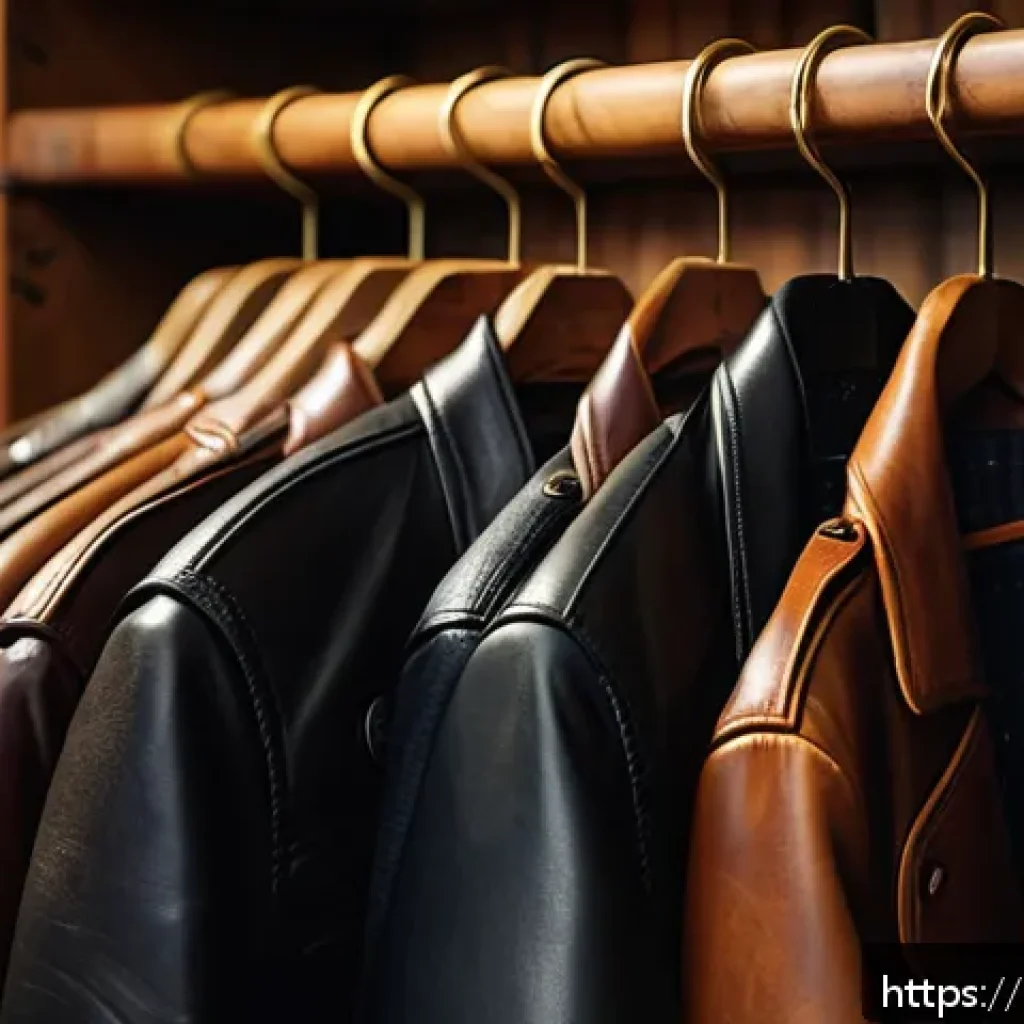
I once tried to fix a vintage leather jacket myself and ended up causing discoloration—lesson learned! Finding a reputable specialist who understands the materials and historical context is crucial.
Investing in professional restoration not only extends the life of your piece but also preserves its value and story.
Understanding Market Trends and Investment Potential
Why Lineage Fashion Has Become a Solid Investment
The surge in demand for heritage fashion is more than a passing fad; it’s reshaping how people view value in style. Unlike fast fashion, lineage items often appreciate over time due to their rarity and cultural significance.
From what I’ve observed, collectors who curate thoughtfully tend to see their pieces gain value, especially if they maintain impeccable condition and provenance.
This dual appeal of aesthetic pleasure and financial growth makes lineage fashion a savvy addition to any wardrobe.
Tracking Market Fluctuations and Predicting Hot Items
Keeping an eye on auction results, fashion week highlights, and social media buzz can give you clues about which lineage pieces are gaining traction. For instance, collaborations between heritage brands and contemporary designers often spark renewed interest and price surges.
I use apps and newsletters to monitor market shifts, which helps me decide when to buy, hold, or sell. This proactive approach has saved me from overpaying and helped me capitalize on emerging trends.
Balancing Passion and Profit in Collecting
While the investment angle is enticing, it’s important to stay true to your personal style and passion. I’ve met collectors who lost interest because they focused solely on flipping pieces for profit.
The best approach, in my opinion, is to collect what genuinely resonates with you and enjoy the journey. The financial benefits then become a welcome bonus rather than the driving force, keeping the experience authentic and fulfilling.
Decoding Authenticity: Tools and Techniques for Verification
Using Technology to Authenticate Lineage Fashion
Advances in technology have revolutionized how collectors verify the authenticity of heritage pieces. Apps that analyze fabric weave, digital certificates, and blockchain-based provenance records are becoming common tools.
Personally, I’ve found that combining tech with old-school detective work—like examining labels, stitching, and wear patterns—provides the most reliable results.
These tools help avoid costly mistakes and give peace of mind when investing in high-value items.
Expert Opinions and Third-Party Certifications
Seeking expert advice can be invaluable, especially when dealing with rare or expensive pieces. Certified appraisers and fashion historians often offer authentication services that include detailed reports and condition assessments.
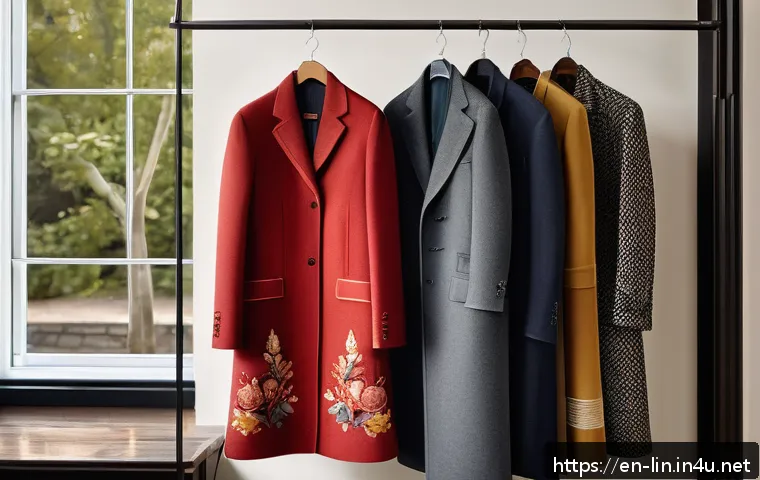
When I purchased a vintage designer coat, having an expert verify it saved me from a potential scam. Many reputable auction houses and heritage brands now provide third-party certificates, which not only confirm authenticity but also enhance resale value.
Common Red Flags to Watch Out For
Some warning signs are surprisingly easy to spot once you know what to look for: inconsistent stitching, misspelled brand names, incorrect logos, or unusually low prices.
I’ve learned the hard way that too-good-to-be-true deals often come with hidden flaws. Always cross-check details against official brand archives or trusted collector forums.
When in doubt, it’s better to walk away than risk losing money on a fake.
Creating a Personal Legacy Through Your Collection
Documenting Your Pieces and Their Stories
One of the most rewarding aspects of collecting lineage fashion is curating not just the items, but their histories. I keep a detailed journal and photo archive for each piece, noting where and when I acquired it, any restoration work, and the story behind it.
This practice has turned my collection into a living narrative that I’m excited to share with friends and future generations. It’s a way to honor the craftsmanship and the journey each item has undergone.
Incorporating Lineage Items into Everyday Style
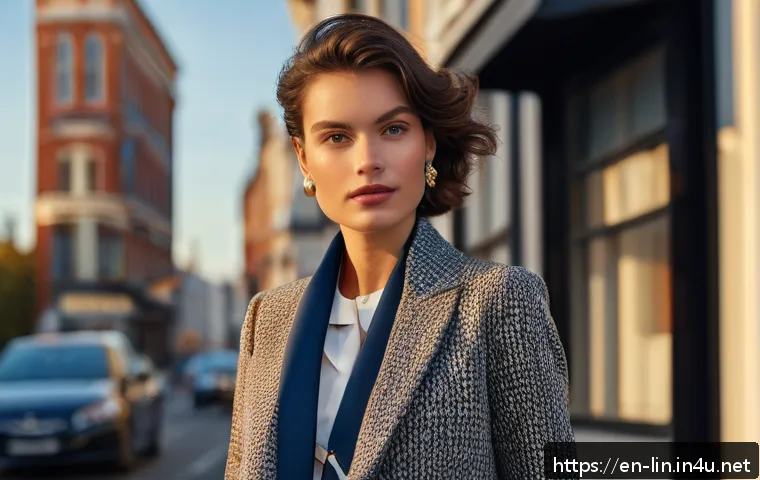
Wearing heritage pieces can sometimes feel intimidating, especially if they’re rare or delicate. However, blending them with modern basics creates a unique, effortless look that stands out.
I love pairing a vintage blazer with casual jeans or layering a heritage scarf over contemporary outerwear. This approach not only keeps the collection alive but also sparks conversations about the stories behind each item, making your style truly one-of-a-kind.
Passing Down Your Collection as a Family Heirloom
Ultimately, the goal for many collectors is to build something that transcends their own lifetime. By educating loved ones about the significance of these pieces and maintaining them properly, you create a legacy.
I’ve already started sharing my knowledge with family members, hoping they’ll cherish the collection as much as I do. This passing down of lineage fashion transforms it from a personal passion into a lasting family treasure.
| Aspect | Key Tips | Personal Insights |
|---|---|---|
| Authenticity | Check stitching, labels, use expert opinions | Trust your gut, combine tech and traditional checks |
| Acquisition | Explore vintage fairs, online forums, network with sellers | Patience pays off; timing affects price significantly |
| Care | Gentle cleaning, proper storage, professional repairs | Learned the hard way that DIY can sometimes harm valuable pieces |
| Investment | Follow market trends, hold rare items, diversify collection | Balance passion with profit to enjoy the process fully |
| Legacy | Document stories, wear pieces confidently, educate family | Creating a personal narrative enriches the value beyond price |
In Conclusion
Heritage fashion offers more than just style—it connects us to stories, craftsmanship, and culture that transcend time. Embracing these pieces enriches your wardrobe with meaning and authenticity. Whether you’re a passionate collector or a casual enthusiast, appreciating the legacy behind each item transforms the experience into a truly rewarding journey.
Useful Information to Remember
1. Authenticity is key—always check craftsmanship details and seek expert opinions when possible.
2. Explore diverse sources like vintage fairs, online communities, and estate sales to find genuine lineage pieces.
3. Proper care, including gentle cleaning and professional restoration, ensures your items stay beautiful for years.
4. Keep an eye on market trends to make informed decisions about buying and selling heritage fashion.
5. Document the stories behind your collection and share them to create a lasting personal legacy.
Key Takeaways
Understanding and valuing heritage fashion requires patience, knowledge, and respect for each piece’s unique history. Authenticity checks prevent costly mistakes, while thoughtful acquisition strategies help you find rare treasures without overspending. Caring properly for these items preserves their beauty and worth, and balancing passion with investment makes collecting both enjoyable and rewarding. Finally, building a personal narrative around your collection elevates its significance beyond mere material value.
Frequently Asked Questions (FAQ) 📖
Q: How can I verify the authenticity of exclusive lineage fashion items?
A: Authenticity is crucial when collecting heritage-inspired fashion pieces. Start by researching the brand’s unique identifiers, such as specific stitching patterns, labels, or serial numbers.
I’ve found that consulting trusted experts or using reputable authentication services can save you from costly mistakes. Also, joining collector communities online often provides insider knowledge and firsthand reviews that help confirm an item’s legitimacy.
Always trust your instincts—if a deal seems too good to be true, it probably is.
Q: Where’s the best place to find rare, heritage fashion pieces?
A: In my experience, the hunt is part of the fun! Vintage boutiques, estate sales, and high-end consignment stores are goldmines for these treasures. Online marketplaces like Vestiaire Collective or The RealReal offer curated selections with authentication guarantees, which adds peace of mind.
Don’t overlook auctions or brand-exclusive events where limited releases often appear. Personally, building relationships with sellers and attending fashion fairs has led me to some of my most prized finds.
Q: How should I care for and preserve exclusive lineage items to maintain their value?
A: Treat your pieces like works of art—they deserve gentle care. I always recommend storing items in breathable garment bags away from direct sunlight and humidity, which can degrade delicate fabrics and colors.
Regularly inspect your collection for signs of wear or damage, and when cleaning is necessary, opt for professionals experienced with vintage or luxury textiles.
Proper care not only preserves the item’s beauty but also protects its investment value over time.