Hey everyone! Ready to dive headfirst into the exhilarating, sometimes brutal, world of Lineage PVP? I vividly remember my early days, feeling completely overwhelmed by seasoned veterans and their seemingly magical tactics.
It can definitely feel daunting when you’re just starting out, but trust me, with the right knowledge and a few insider tricks, you’ll be dominating the battlefields in no time.
I’ve personally navigated the steep learning curve, and I’m here to share everything I’ve learned to give you that crucial edge. Let’s make sure you’re not just surviving, but thriving in every skirmish.
We’re going to accurately find out exactly how to achieve that!
What’s up, fellow adventurers! It’s your girl, back again to help you conquer the wilds of Lineage. I’ve been around the block a few times, and let me tell you, PVP in Lineage isn’t just about smashing buttons.
It’s a dance, a chess match, and sometimes, a full-blown war that requires brains, brawn, and a little bit of sass. I remember countless times thinking I had the perfect build, only to get absolutely bodied by someone who seemingly had nothing on me.
Turns out, they just knew their stuff, and that’s exactly what I want for you. This game, with its open-world PVP, can be incredibly rewarding, but it can also be brutally unforgiving.
So, if you’re tired of being fodder and ready to become the predator, let’s dive into some serious strategies that have helped me turn the tables and feel that sweet, sweet taste of victory.
Mastering Your Character’s Potential
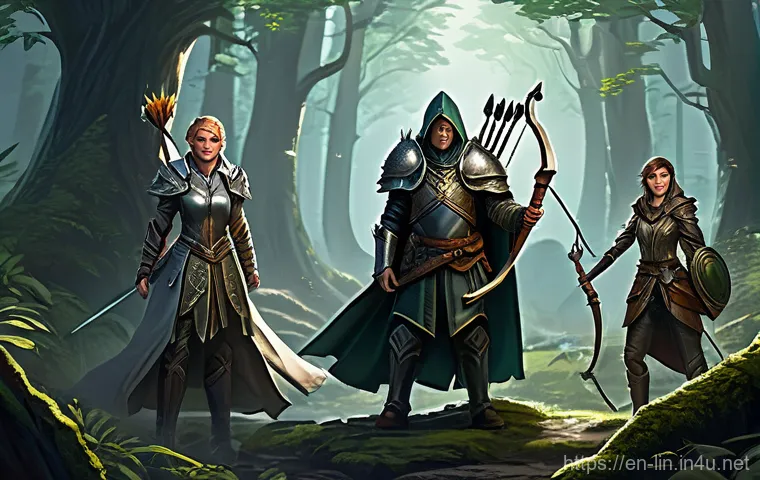
Okay, first things first: you need to *really* know your character. It’s not enough to just pick a class that looks cool; you need to understand every single stat, every skill, and how they interact with each other in a PVP setting. I’ve seen so many players just blindly follow generic guides, and while those are a good starting point, they don’t teach you the nuances of *your* specific playstyle. For instance, my Dark Elf Assassin thrives on burst damage and agility, which makes me a nightmare for squishy mages if I can get close enough. But against a tank? Oh boy, that’s a different story. I’ve had to learn to adapt, to understand my cooldowns intimately, and to know exactly when to go in for the kill or when to tactically retreat. It’s like learning to drive a race car – you can know where the pedals are, but true mastery comes from feeling the engine, the tires, the road, and pushing it to its absolute limits without spinning out. You want to feel that connection to your avatar, anticipating its reactions as if it were an extension of your own will. This deep understanding also extends to your racial bonuses; for example, Humans often offer balanced stats, while Elves might excel in ranged combat. Knowing these inherent advantages is like having a secret weapon in your back pocket.
Understanding Core Stats and Their Impact
Each stat in Lineage serves a crucial purpose, and how you allocate points can dramatically shift your effectiveness in PVP. For physical attackers like a warrior, Strength (STR) is your bread and butter, directly boosting your attack power and making your hits land with a satisfying thud. But don’t sleep on Constitution (CON); it’s your lifeline, increasing your maximum HP and helping you survive those prolonged skirmishes where every HP point counts. I learned this the hard way after trying to go full glass cannon – ended up looking at a gray screen more often than I’d like to admit! For archers and rogues, Dexterity (DEX) is king, enhancing accuracy, critical hit rate, and evasion, which means you’re not just hitting harder, but you’re also harder to hit. Mages, on the other hand, live and breathe by Intelligence (INT) for spell damage, Wisdom (WIS) for mana, and Mentality (MEN) to resist those annoying debuffs. Seriously, nothing grinds my gears more than getting silenced at a crucial moment. It’s a delicate balance, and I often find myself tweaking my stats with reset items when the meta shifts or I want to try a new approach. The game explicitly states that PvP often demands higher DEX and CON to survive against other players, in contrast to PvE which allows for more damage-focused builds. You absolutely have to consider these differences.
Optimizing Your Skill Loadout for PvP
Your skills are your weapons, and a well-honed skill set is just as important as your gear. Don’t just auto-assign everything; take the time to understand each skill’s cooldown, mana cost, and synergy with others. I always recommend setting up different skill decks or hotkey layouts for various PVP scenarios. What works for a quick 1v1 might not cut it for a chaotic large-scale clan war. For example, a skill that provides a short burst of invulnerability can be a game-changer when you’re being focused, or a movement speed buff can help you escape a bad situation or chase down a fleeing enemy. I’ve definitely learned that knowing your skill cooldowns and the best sequence to use them is crucial for effective combat. You also have access to “Inheritor’s Book” skills that are common across all classes; for PVP, things like ‘Skill Block II’, ‘Silence Resist II’, and ‘Vex Resist II’ can be incredibly beneficial. These common skills are often overlooked but can provide that subtle edge that turns a defeat into a triumph. Some abilities that cleanse debuffs are also clutch, especially against classes that rely on crowd control.
Strategic Engagement: The Art of Battle
PVP in Lineage isn’t a mindless brawl; it’s a strategic dance where positioning, timing, and environmental awareness can win you the fight before a single blow is struck. I’ve learned that hesitation really is death in this game; if you spend too much time worrying about what your opponent is doing, you’re already behind. It’s about being aggressive, taking calculated risks, and constantly adapting. My personal philosophy? Always assume your opponent knows what they’re doing, but also assume they can make mistakes. That mindset keeps me on my toes, ready to exploit any misstep. You have to be like a hawk, constantly scanning the battlefield, reading the enemy’s movements, and looking for that one opening. One time, I was getting absolutely hammered by a well-geared archer, but I noticed they always moved clockwise when kiting. A quick adjustment to my approach, anticipating their next move, allowed me to close the gap and turn the fight around. Those little details, they matter so much.
Navigating PvP Zones and Karma Risks
The world of Lineage is vast, and not all PVP is created equal. Understanding the different zones is fundamental to smart engagement. Safety Zones are, well, safe – no PVP allowed. Normal Zones, however, are where things get spicy. You *can* attack other players here, but killing a non-Chaotic player will hit you with Karma penalties, potentially turning your name red and making you a target for everyone. Trust me, being a red name is like wearing a giant “kick me” sign. I’ve been there, losing equipped items upon death and suffering stat penalties, and it’s no fun. Then there are Battle Zones, the true free-for-alls where anything goes and there are no Karma penalties. Knowing these distinctions is crucial. Are you looking for a casual skirmish or a full-blown war? Your choice of zone dictates the risks and rewards. Always be mindful of your Karma status; if you’ve gone a bit too far, farming monsters or simply avoiding PVP for a while can help reduce it.
The Importance of Movement and Positioning
Movement isn’t just about getting from point A to point B; in PVP, it’s a weapon and a shield. For melee classes, closing the gap and sticking to your target is paramount, denying ranged attackers their space. For ranged classes, kiting – maintaining distance while still dealing damage – is an art form. I’ve found that constantly moving, even subtly, makes you harder to target and predict. Side-stepping after casting spells as a mage or after an arrow shot as an archer can actually speed up your next action and potentially increase your critical hit rate. It’s a small trick, but those micro-optimizations add up. Also, using terrain to your advantage – breaking line of sight, forcing opponents into choke points, or using elevated positions – can give you a significant tactical edge. I vividly remember a duel where I won simply by forcing my opponent into a narrow corridor, negating their wide-area spells and making them an easy target for my focused attacks. Anticipation is truly key to victory.
Optimizing Your Arsenal: Gear Up for Victory
Let’s be real, gear in Lineage is a massive part of PVP. While skill definitely matters, having superior equipment can often tip the scales. I’ve seen players with incredible reflexes get absolutely shredded because their gear couldn’t keep up. It’s a constant grind, but a rewarding one. You’ll want to focus on items that specifically boost your PVP damage output and reduce incoming PVP damage. Forget about just high attack power; think about critical resistance, skill damage reduction, and all those juicy attributes. I’ve learned that prioritizing weapons first, as weapon damage scales significantly with upgrades, is generally a good strategy. But don’t forget accessories like rings, necklaces, and earrings; these often provide the biggest stat boosts and can add crucial things like critical resistance or mana regeneration.
Choosing the Right Equipment Sets
Different equipment sets offer different bonuses, and knowing which ones synergize best with your class and playstyle is crucial. For example, some armor sets might provide increased defense against physical attacks, while others might offer higher magic resistance or bonuses to specific skills. When I started getting serious about PVP, I stopped just grabbing whatever had the highest number. I started looking for specific set bonuses and individual item attributes that directly supported my combat style. For instance, an assassin would prioritize attack speed and critical damage, while a tank would lean towards HP, defense, and debuff resistance. Always consider the attributes that directly increase the damage you inflict or reduce the damage you take. These are the fundamentals that will make a tangible difference in a fight. Rare equipment with PVP attributes should be your end-game goal.
Enhancements and Crafting: The Endless Grind
Enchanting and crafting are where you really push your gear to the next level. It can be a heart-stopping process, watching those enchant scrolls, hoping they don’t shatter your precious item! But the rewards are undeniable. Higher enchant levels on your weapon can significantly boost your damage, making a noticeable difference in how quickly you can drop an opponent. Crafting also plays a huge role, allowing you to create higher-tier equipment and focus on specific stats. I always try to collect blueprints and materials from dungeons, raid bosses, and even PVP arenas because those exclusive rewards are often worth the effort. Just remember, there’s always a risk involved with enchantment, so it’s wise to start with lower-risk items before pushing your most valuable gear. It’s a journey, not a sprint, and every successful enchantment feels like a mini-victory.
Teamwork: The Ultimate Force Multiplier
Lineage PVP truly shines in group combat. While I love a good solo duel, there’s nothing quite like the thrill of a perfectly coordinated team battle. I’ve been in countless situations where a numerically inferior but well-organized team absolutely demolished a scattered, uncoordinated group. It’s not just about individual skill; it’s about synergy, communication, and sacrificing personal glory for the greater good of the party. My most memorable victories have always involved my clanmates, where we moved as a single unit, anticipating each other’s actions and covering each other’s weaknesses. Don’t underestimate the power of a good clan; they offer not just camaraderie but also crucial buffs and access to harder content that drops better gear.
Party Composition and Role Coordination
A balanced party composition is critical. You can’t just throw a bunch of damage dealers together and expect to win. You need tanks to soak up damage and control enemies, healers to keep everyone alive, buffers to enhance your team’s stats, and damage dealers to, well, deal damage. Each role has specific responsibilities. The tank needs to draw aggro and protect the squishier members, healers need to prioritize targets and manage their mana, and damage dealers need to focus down key enemy targets, often the enemy healers or mages, to break their formation. I’ve found that having clear targets and communication is absolutely vital. Yelling “Focus the healer!” in voice chat and seeing everyone instantly switch targets is a thing of beauty. A well-placed stun from a Warlord or a crippling debuff from a Shillien Knight can turn the tide of an entire battle.
Communication and Adapting on the Fly
In the heat of battle, things rarely go exactly as planned. That’s where communication and adaptability come into play. Your ability to call out targets, warn of incoming threats, or signal a retreat can literally save your party. I’ve learned to develop a sort of battle instinct, reacting almost unconsciously to situations, but that instinct is built on years of quick calls and trusting my teammates to respond. Sometimes, you need to switch from an aggressive push to a defensive stance instantly, or change your focus target if the primary one becomes too protected. Watching videos and analyzing mistakes after a fight are super helpful too. It’s about learning, growing, and becoming a tighter unit with every skirmish, regardless of the outcome. You need to keep track of everyone’s MP, your party members’ MP, and other small details that contribute to success or failure.
Resource Management: The Hidden Edge
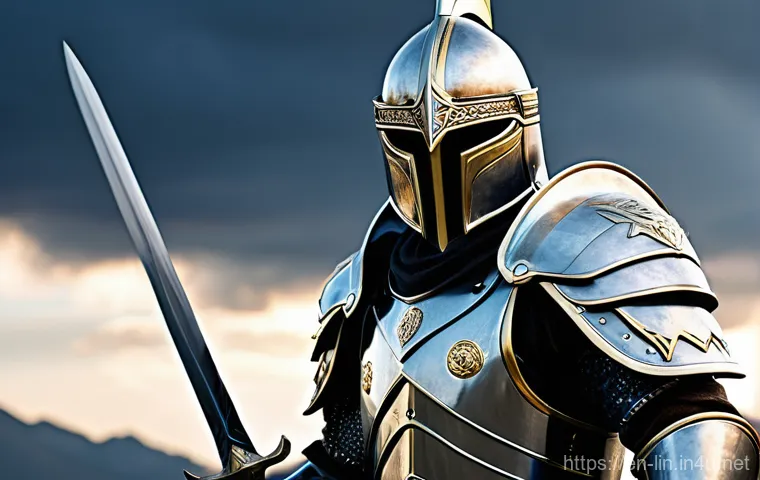
It’s not just about what you can do in a fight, but what you can *sustain*. Resource management, especially in open-world PVP, is often the unsung hero of victory. Running out of potions, scrolls, or even mana at a critical moment is a death sentence. I’ve been there, frantically trying to chug a potion while getting hammered, only to realize I’m out. It’s a terrible feeling. So, always be stocked up! This isn’t just about having items; it’s about knowing *when* to use them and having them readily accessible. This is where those extra utility slots or quick-slot settings come in handy. Never underestimate the power of having plenty of healing potions and buffs; they can turn a losing fight into a win.
Consumables: Your Lifeline in Combat
Potions, scrolls, and other consumables are not optional; they are essential for survival and prolonged engagement. Health Potions, Mana Potions, and Combat Point (CP) Potions are your absolute basics. But don’t forget about other buffs and scrolls that can temporarily boost your stats, provide resistances, or even teleport you out of a sticky situation. I always carry a few “Scrolls of Escape” just in case things go completely south. Knowing when to pop a major buff or a large healing potion can make the difference between barely surviving and getting wiped. For some classes, especially archers, managing your arrow supply is also a crucial aspect of resource management, as running out can leave you unable to attack. It’s a micro-management dance that seasoned players master, often using macros to quickly activate sequences of buffs or potions.
Mana and Cooldown Management
Beyond physical consumables, efficiently managing your mana pool and skill cooldowns is a huge aspect of PVP. Spamming your most powerful skills recklessly will leave you with an empty mana bar and a long wait time for your abilities to come back up, making you vulnerable. It’s about timing your bursts, weaving in basic attacks, and using lower-cost skills to conserve mana for when it truly matters. Some classes, like specific tanks, are known for excellent mana efficiency, allowing them to sustain skills longer in extended battles. I’ve seen battles won purely because one player managed their mana better, outlasting their opponent. Understanding your skill rotation and how to maximize your damage or healing output while minimizing mana expenditure is an advanced skill that comes with practice. It’s about being thoughtful with every single button press, especially when the stakes are high.
Reading Your Opponent: The Mental Game
PVP isn’t just about your character; it’s about outsmarting the person behind the screen. It’s a mental game as much as a physical one. I’ve spent countless hours trying to anticipate my enemies’ moves, studying their patterns, and learning their tells. This “mind-reading” ability comes from experience and pattern recognition, allowing you to place yourself in the ideal position to shut them down before they even have a chance to react. It’s an incredibly satisfying feeling when you predict an enemy’s ultimate skill and counter it perfectly. Don’t get me wrong, it’s tough, and you’ll make mistakes, but every loss is a learning opportunity. Think of it as poker: you’re not just playing your cards, you’re playing the player.
Class Matchups and Counter-Plays
Every class has strengths and weaknesses, and understanding these matchups is paramount. Some classes naturally counter others. For instance, a Dark Avenger, a tank class, is notoriously difficult for archers to deal with due to their high resistance to archery. On the flip side, an Assassin class is often cited as a top-tier PVP class due to its burst damage and agility, making it dangerous for squishier targets like mages. If you’re playing a healer, you know you’ll be a prime target because your fast heals can turn the tide of a fight. Knowing what your opponent is likely to do based on their class allows you to prepare your defensive and offensive responses. If I see a powerful nuker, I know I need to prioritize closing the distance or using my debuff resistances. If it’s a tank, I might need to switch to a more sustained damage approach rather than burst. It’s all about adapting your strategy to the threat at hand.
Analyzing Playstyles and Predicting Moves
Beyond class, every player has a unique playstyle. Some are aggressive, constantly pushing the attack. Others are defensive, waiting for you to make a mistake. Some rely heavily on a specific combo, while others are more unpredictable. Over time, you start to recognize these patterns. I’ve learned to watch for subtle cues – a slight hesitation, a specific buff animation, or a change in movement – that can indicate what an opponent is planning. For example, if a mage suddenly starts backing away, they might be lining up a powerful, long-cast spell. If a melee character is charging in a straight line, they might be relying on a stun. Using your next target hotkey can be incredibly useful against classes that rely on cancel effects, like daggers, or when multiple players are clumped together. It’s like a game of rock-paper-scissors, but with a thousand different variations, and the best players are those who can read the subtle hints and adapt faster than anyone else. This table outlines some universally crucial aspects of PVP preparation:
| PVP Essential | Description | Why It Matters |
|---|---|---|
| High-Enchant Weapon | Significantly increased attack power from enchantments. | Core damage output for quick kills. |
| PVP Damage Reduction Gear | Items with attributes that reduce incoming player damage. | Boosts survivability against other players. |
| Status Resist Accessories | Rings, earrings, amulets providing resistance to debuffs (stun, root, silence). | Prevents being crowd-controlled, maintaining offensive/defensive capabilities. |
| Consumable Stock (HP/MP/CP Pots) | Ample supply of healing, mana, and combat point potions. | Sustains you through prolonged fights; essential for clutch moments. |
| Movement Speed Buffs | Skills or items that temporarily increase your character’s speed. | Crucial for chasing, kiting, escaping, and repositioning. |
| Cleanse/Debuff Removal Skills | Abilities to remove negative status effects from yourself or allies. | Counters opponent’s crowd control and damage over time. |
The Mental Game: Staying Calm Under Pressure
Beyond all the stats, gear, and strategies, PVP in Lineage often comes down to your mental fortitude. It’s easy to get flustered when you’re being targeted, or to panic when your HP starts dropping like a rock. I’ve definitely had my share of rage-quits in my early days, but I quickly realized that letting emotions take over only leads to more losses. The best players I’ve encountered, and the ones I aspire to be, are those who remain cool, calm, and collected even in the most chaotic situations. They think clearly, execute their plans, and don’t let a few bad hits throw them off their game. It’s a skill you develop, just like any other, through practice and self-awareness. Ultimately, PvP should be enjoyable, so try to have fun with it.
Handling Defeat and Learning from Mistakes
Let’s be honest, you’re going to lose. A lot. Especially when you’re starting out. I certainly did! But every defeat is a lesson disguised as a setback. Instead of getting angry, try to analyze what went wrong. Did you mismanage your cooldowns? Was your positioning off? Did you prioritize the wrong target? Did you react too slowly to a debuff? The game encourages you to learn from your mistakes so you don’t repeat them. I used to record my PVP sessions and watch them back, cringing at my blunders, but also identifying exactly where I could improve. This self-reflection is invaluable. Don’t be afraid to ask for advice from more experienced players in your clan or community. We’ve all been newbies once, and most veterans are happy to share their wisdom.
Building Resilience and Mental Toughness
Lineage PVP can be incredibly frustrating, especially with open-world player killing and the potential for losing items or XP in some zones. It takes a certain level of mental toughness to push through those moments. You have to develop a thick skin and understand that sometimes, you’re just outmatched, or you got caught in a bad situation. It’s not always a reflection of your skill. Focus on what you *can* control: your gear, your strategy, your reactions, and your attitude. Don’t let a few bad fights deter you from the exhilarating highs that come with a hard-fought victory. Keep practicing, keep learning, and keep that competitive fire burning. That’s the real secret to thriving in Lineage PVP – it’s not just about winning battles, it’s about winning the mental game against yourself.
Wrapping Things Up
Whew, that was a deep dive, wasn’t it? Mastering PVP in Lineage is truly a journey, not a destination. It’s about more than just numbers on a screen; it’s about dedication, learning from every clash, and finding that perfect rhythm between skill, strategy, and sheer will. I hope these insights, fresh from my own battle scars and victories, help you step into the arena with renewed confidence. Keep practicing, keep adapting, and most importantly, keep enjoying the incredible rush that only Lineage PVP can deliver!
Handy Tips for the Aspiring Conqueror
Here are a few nuggets of wisdom I’ve picked up that can give you that extra edge in the cutthroat world of Lineage PVP:
1. Don’t Skimp on Consumables: Always, *always* have a full stock of HP, MP, and CP potions, along with relevant buffs. Running dry mid-fight is a rookie mistake that can cost you dearly. It’s better to be overprepared than underprepared, especially when venturing into high-stakes zones. Trust me, I’ve had more than one “oh no” moment because I thought I could get by with just a few.
2. Master Your Hotkeys: Seriously, optimize your hotbar. Group your offensive, defensive, and utility skills logically. Being able to instantly react with a cleanse, a heal, or a stun can be the difference between a glorious victory and a frustrating defeat. Practice until it’s muscle memory; you want your fingers to know what to do before your brain even fully processes the threat!
3. Study Class Matchups: Take the time to understand the strengths and weaknesses of every class. Knowing what your opponent *can* do, and what they *can’t*, allows you to anticipate their moves and plan your counter-strategy before the fight even begins. This meta-knowledge is invaluable and will save you from countless surprises.
4. Leverage Your Environment: Don’t forget about the battlefield itself. Use choke points, line of sight, and elevation to your advantage. A smart player can turn a seemingly disadvantageous position into a tactical masterpiece by using the terrain to their benefit. A well-placed tree or rock can be your best friend!
5. Watch and Learn: Record your PVP sessions or watch videos of top players in action. Analyze what they do well, and more importantly, what *you* could have done better in your own fights. Every loss is a teaching moment if you approach it with an open mind, and believe me, even the best of us still go back and critique our own plays.
Key Takeaways for Dominating PvP
Ultimately, dominating in Lineage PVP boils down to a blend of unwavering dedication and smart strategy. Prioritize deeply understanding your chosen character’s abilities and statistics, then optimize your gear for player-versus-player encounters, focusing on both offense and defense. Always maintain a robust inventory of essential consumables to sustain yourself through long engagements. Crucially, don’t just fight; read your opponents, adapt your tactics to their playstyle and class, and always stay cool under pressure. Remember, every battle, win or lose, is an opportunity to learn and refine your approach, pushing you closer to becoming the Lineage legend you’re meant to be. Good luck out there, and I’ll catch you on the battlefield!
Frequently Asked Questions (FAQ) 📖
Q: How can I consistently win 1v1 encounters, even against seemingly stronger opponents?
A: This is where the magic truly happens! I’ve lost count of the times I’ve been out-geared but still walked away victorious, and it all boils down to a few key principles.
First off, really know your class. What are your burst windows? When are your crowd control abilities most effective?
What’s your escape plan if things go south? I once played a spellcaster who could absolutely devastate opponents if I landed my opening combo, but if I missed, I was toast.
Learning that timing was everything. Secondly, and this is a big one, understand your opponent’s class. A quick mental checklist of their core skills – their stun, their big damage cooldowns, their self-heals – can make all the difference.
Are they prone to kiting? Do they have a strong opener but fall off quickly? Baiting out their crucial skills is a game-changer; I often found myself intentionally taking a little damage just to draw out their shield or stun, knowing I could then unleash my full power while they were vulnerable.
Lastly, don’t underestimate the environment. Using pillars, hills, or even just tight corridors can give you a massive advantage, breaking line of sight or forcing them into unfavorable positions.
It’s like a chess match, but with way more explosions!
Q: What are some overlooked strategies for surviving and thriving when outnumbered in open-world PVP?
A: Oh, the dreaded gank! We’ve all been there, suddenly seeing red names swarm you out of nowhere. It feels hopeless at first, right?
But trust me, it’s not always a death sentence. My absolute go-to strategy here is immediate threat assessment and disengagement. Don’t panic and try to fight all of them at once unless you’re truly confident you can wipe them.
Your first priority is to create space. Use every crowd control ability you have – stuns, roots, slows – to peel off the immediate attackers and make a run for it.
I remember being chased by three guys once; I hit my stun on the melee, slowed the ranged, and sprinted for a chokepoint in the terrain. They got bottlenecked, giving me enough time for my cooldowns to reset or for my guildies to arrive.
Communication is also vital. Scream for help in guild chat the second you see trouble. Even if you die, having called out their location and numbers provides invaluable intel for your allies.
And sometimes, just sometimes, being unpredictable can save you. Instead of running straight, juke, double back, make them guess your next move. It won’t work every time, but staying alive against overwhelming odds is one of the most satisfying feelings in Lineage PVP.
Q: Beyond just gear, what’s the real secret to being a valuable asset in large-scale battles like sieges or clan wars?
A: This is where Lineage truly shines, in those epic, chaotic clashes of dozens, sometimes hundreds, of players! While gear definitely helps, I’ve seen perfectly geared players be utterly useless, and modestly equipped players turn the tide.
The true secret, in my experience, is knowing your role and executing it flawlessly. Are you a frontline tank? Your job isn’t to get kills; it’s to hold the line, soak damage, and protect your squishier damage dealers.
Are you a healer? Your life’s mission is to keep your tanks alive, simple as that. I vividly recall a siege where our main tank went down, and I, as an off-healer, immediately swapped targets and kept our second-line alive long enough for a crucial push.
It wasn’t glorious, but it won us the gate. Communication is non-negotiable. Listen to your leaders, stick to your assigned groups, and focus fire on the designated targets.
Don’t get distracted by chasing stragglers; stay on objective! Whether it’s breaking a gate, holding a flag, or pushing through a chokepoint, focusing on the main objective as a cohesive unit always, always trumps individual heroics.
It’s like a finely tuned orchestra; every instrument has its part, and when played together, it creates a symphony of destruction!