Hey fellow adventurers! If you’re anything like me, you’ve spent countless hours navigating the treacherous lands of Lineage, driven by the insatiable thrill of the hunt.
There’s something uniquely captivating about the game’s powerful named monsters – those legendary creatures that stand as ultimate tests of skill, strategy, and often, sheer perseverance.
They aren’t just big, bad enemies; they’re the heart of countless stories, epic battles, and the chase for those elusive, game-changing drops that define your character’s journey.
I’ve lost count of the times my guild and I have meticulously planned raids, argued over tactics, and celebrated triumphs after finally felling one of these formidable beasts.
These encounters are more than just combat; they’re an integral part of Lineage’s enduring appeal, a testament to why classic MMORPGs continue to hold a special place in our gaming hearts even today.
In an era of ever-evolving game design, the raw, unadulterated challenge and reward loop of Lineage’s named monsters remain a gold standard for true dedication and teamwork.
From the exhilarating rush of spotting a rare spawn to the strategic dance of a full-scale boss fight, these creatures are what forge legends and build communities within the game.
Whether you’re a seasoned veteran reminiscing about past glories or a curious newcomer eager to carve your own path, understanding these iconic foes is key to mastering the world of Lineage.
The stakes are always high, the rewards are often monumental, and the stories created last a lifetime. In this guide, we’re going to dive deep into the strategies, spawn times, and coveted drops of Lineage’s most infamous named monsters.
Let’s get into the nitty-gritty and discover exactly what makes them tick!
Decoding the Denizens of Dread: Unmasking the Most Wanted
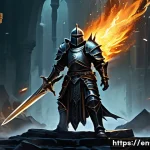
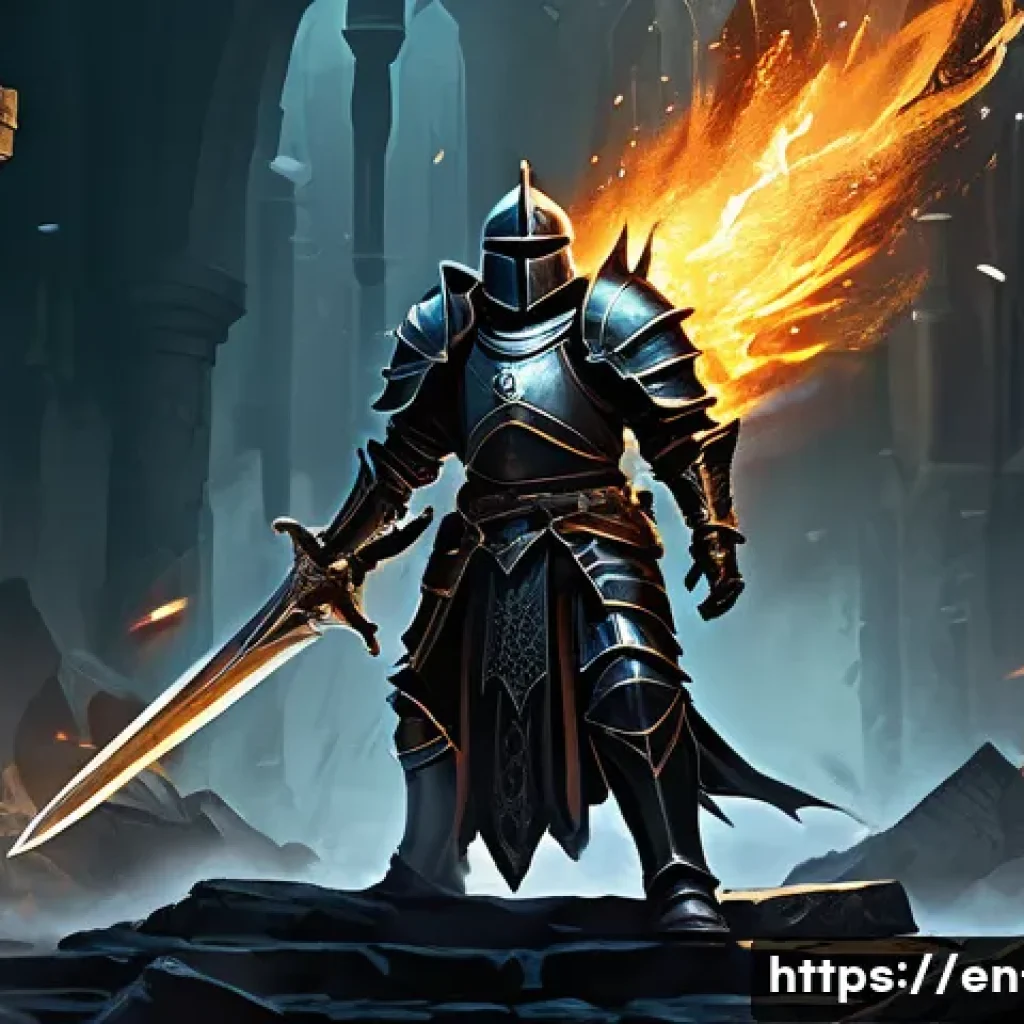
Oh, the sheer thrill of spotting a named monster! It’s a feeling that seasoned Lineage players know all too well – that mix of adrenaline, fear, and sheer anticipation. I remember my very first encounter with Death Knight in person, not just seeing him on a screen shot. My heart was pounding like a war drum, and my hands were actually shaking a little on the keyboard. It was late, I was grinding alone in the dungeons, and suddenly, there he was, looming larger than life. Most folks spend years dreaming of these encounters, meticulously planning for the day they’ll face down one of these legendary adversaries. They aren’t just bigger versions of regular mobs; they’re unique challenges, often with distinct attack patterns and resistances that demand a whole different level of strategic thinking. From the iconic Death Knight to the elusive Demon, each one represents a significant milestone in your character’s journey and, let’s be honest, a potential lottery ticket for some seriously sweet gear. You don’t just stumble upon these guys and casually take them down; they command respect and a well-thought-out plan. Trust me, the stories you’ll tell about these fights will be far more vivid than any regular monster grind. It’s about more than just the drops; it’s about the memory, the camaraderie, and the triumph over truly formidable odds.
The Elusive Death Knight: A Legend’s Challenge
When you talk about named monsters in Lineage, Death Knight is probably the first name that springs to mind for most veterans. This guy is practically a celebrity, and for good reason. He’s tough, he hits hard, and his drops are legendary, making him a prime target for solo players and small parties alike. I’ve spent countless hours in the deepest parts of the dungeon, just hoping for a glimpse, let alone a shot at taking him down. What makes him so compelling, beyond the shiny loot, is the sheer challenge he presents. His magical attacks can be devastating, and if you’re not prepared with adequate magic resistance or a solid damage-per-second output, you’ll find yourself teleported back to town faster than you can say “potion.” My best advice? Always bring some anti-magic gear, a healer if you can manage it, and be ready to burn through those healing potions. It’s not just about brute force; it’s about managing your resources and knowing when to back off and heal. Successfully killing the Death Knight feels like you’ve truly earned your stripes in the world of Aden.
Baphomet’s Blight: A Test of Teamwork
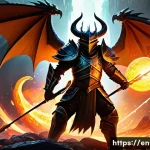
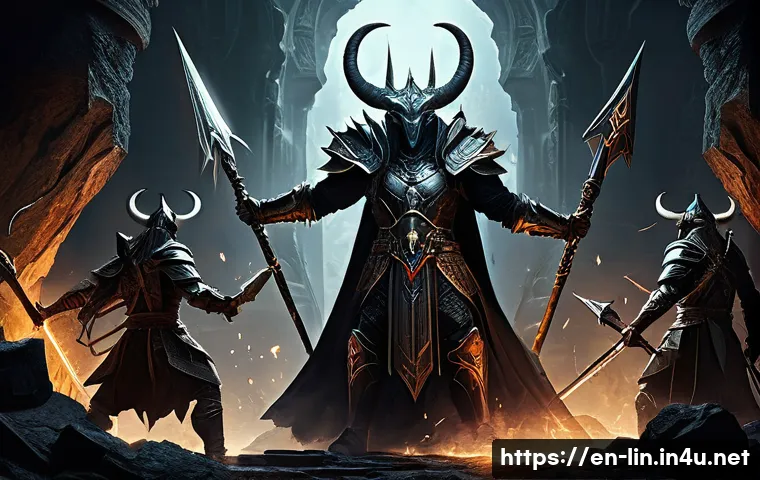
Then there’s Baphomet, a beast that truly puts your guild’s coordination to the test. Unlike Death Knight, trying to solo Baphomet is usually a recipe for disaster. This demon lord requires a well-organized party, often with multiple tanks, damage dealers, and dedicated healers, especially if you want to farm him consistently. I remember one raid where our main tank disconnected mid-fight – pure chaos! We barely managed to scramble and recover, but it taught us a crucial lesson about having backup plans and redundant roles. Baphomet’s AOE spells and powerful melee attacks can wipe out an unprepared group in seconds. The key to success here lies in communication: calling out target changes, coordinating healing bursts, and making sure everyone understands their role. The rewards, however, are absolutely worth the effort. Landing a Baphomet’s Staff or his impressive Shield can dramatically change your character’s power level and market value. It’s a high-stakes poker game, and every member of the raid needs to be on top of their game.
The Art of the Ambush: Mastering Spawn Timers and Tactics
Understanding the intricacies of named monster spawns is an art form in itself, a dance between patience, research, and sheer luck. It’s not just about showing up and hoping for the best; it’s about anticipating, planning, and executing. I’ve personally seen countless hours wasted by players simply running circles, hoping to stumble upon a rare spawn. While that can sometimes work, the truly successful hunters are those who treat it like a scientific endeavor. They meticulously track spawn windows, observe server patterns, and even collaborate with trusted allies to cover more ground. There’s a distinct rush, a unique excitement that bubbles up when you know a spawn window is approaching, and you’ve got your team assembled, ready to pounce. It’s like preparing for a high-stakes poker game where you’ve done your homework and are ready to read the tells. The difference between success and failure often boils down to who has the most accurate information and the quickest response time. Believe me, being the first to spot and secure a named monster often feels more rewarding than the loot itself.
Predicting the Unpredictable: Spawn Windows and Zones
Named monsters don’t just appear on a fixed schedule like your favorite TV show; their spawn timers are usually a window, a range of hours where they *might* appear after their last death. This unpredictability is what adds so much tension and excitement to the hunt. For example, some monsters might have a 6-12 hour spawn window, meaning they could pop up anywhere within that time frame. This necessitates constant vigilance or, more practically, coordinating with guildmates to cover different zones during the anticipated times. My guild used to have a dedicated “spawn patrol” that would rotate shifts, especially for highly contested monsters. Knowing the precise zones where each named monster can appear is equally vital. There’s nothing worse than camping the wrong area for hours! These details are often passed down through word-of-mouth or found in community guides, but confirming them firsthand or with trusted sources is always the best approach.
Strategic Camping: Claiming Your Territory
Once you’ve got a handle on the spawn window and location, the next step is strategic camping. This isn’t just about sitting around; it’s about positioning. You want to be close enough to engage immediately when the monster spawns, but also in a safe spot where you won’t be easily ambushed by rival players. I’ve learned the hard way that camping in the most obvious spot often makes you an easy target. Look for choke points, areas with good line of sight, or even slightly hidden corners that give you an advantage. Having a designated scout who can quickly identify the spawn and alert the main damage dealers is incredibly effective. It’s a delicate balance of patience and readiness, and truly mastering it takes a lot of practice and observation. Sometimes, it even means being friendly with other campers in the area, a truce of sorts, to ensure everyone gets a fair shot, although that’s rare in the more hotly contested spots!
Gear Up, Buttercup: The Coveted Drops That Define Your Legacy
Let’s be real, while the challenge is exhilarating, a huge part of the allure of named monsters lies in the incredible loot they can drop. These aren’t just minor upgrades; we’re talking about game-changing items that can redefine your character’s power, grant you access to new abilities, or fetch a king’s ransom on the market. Every time I land the killing blow on a named monster, that moment when the loot tumbles out is pure magic. It’s like Christmas morning, but with a lot more adrenaline! The anticipation as you scroll through the dropped items, praying for that legendary piece you’ve been chasing, is unlike anything else in gaming. I vividly remember the first time a friend of mine looted a Demon’s Staff; the entire guild chat exploded with congratulations and jealous emojis. These drops aren’t just pixels; they are markers of achievement, status symbols, and often, the key to unlocking your character’s full potential. They’re what fuels those long hours of grinding and provides that powerful sense of progression that keeps us coming back.
The Holy Grails: Epic Weapons and Armor
Many named monsters are famous for dropping specific epic weapons or pieces of armor that are simply unobtainable through any other means. Think about the likes of Death Knight’s Flame Sword, a weapon that every melee class dreams of wielding, or Baphomet’s Armor, which offers incredible defensive stats. These items aren’t just powerful; they often come with unique enchantments or special abilities that can completely alter your playstyle. Getting one of these feels like winning the lottery, and they become cherished possessions, often passed down through generations of characters or sold for a fortune to fund further adventures. The sheer rarity of these items means that even after hundreds of kills, you might not see one. That’s part of the mystique, isn’t it? Knowing that with every kill, you have a tiny chance at hitting the jackpot.
The Currency of Conquest: Valuable Crafting Materials and Scrolls
Beyond the flashy gear, named monsters are also incredible sources of high-value crafting materials, rare magical scrolls, and potent elixirs. These might not be as exciting as a shiny new sword, but they are the lifeblood of the game’s economy and progression. I’ve personally made a substantial amount of adena selling rare spell books that dropped from named creatures, which then funded my own gear upgrades or potion stockpiles. These materials are crucial for high-level enchantments, crafting powerful potions, or even creating other epic items. Sometimes, even if the primary drop isn’t what you hoped for, the secondary items can still provide a massive boost to your finances or character development. It’s a reminder that every kill, even if it doesn’t yield the “main prize,” still contributes significantly to your overall progress.
| Named Monster | Typical Locations | Common Sought-After Drops | Approximate Spawn Window (after death) |
|---|---|---|---|
| Death Knight | Dragon Valley Dungeon, Metal Armor Dungeon | Death Knight’s Flame Sword, Death Knight’s Plate Mail, Ring of Death Knight, Dark Elixir | 4-8 hours |
| Baphomet | Baphomet’s Cave (Abandoned Dungeon) | Baphomet’s Staff, Baphomet’s Shield, Baphomet’s Helmet, Scroll of Enchant Weapon/Armor | 6-12 hours |
| Demon | Demon’s Dungeon, Forgotten Island | Demon’s Staff, Demon’s Sword, Demon’s Ring, High Elixir | 8-16 hours |
| Kraken | Northern Shore (Oceanic regions) | Kraken’s Heart, Kraken’s Eye, Rare crafting materials for water-based items | 12-24 hours |
| Orc King | Orcish Stronghold, Orc Fortress | Orc King’s Sword, Orc King’s Shield, Orc King’s Helmet, Totem of Orc King | 3-6 hours |
From Foes to Friends: Building a Team to Take Down Giants
As much as I love a good solo challenge, there comes a point in Lineage where the named monsters simply demand teamwork. There’s a special bond forged in the heat of battle against a formidable foe, a camaraderie that only intense shared experiences can create. I’ve seen grudges set aside, rivalries forgotten, all in the name of taking down a particularly nasty boss. It’s exhilarating to be part of a well-oiled machine, each member playing their role perfectly, supporting each other, and ultimately achieving a shared victory. These aren’t just pixels on a screen; they’re the challenges that bring people together, that turn strangers into guildmates and guildmates into friends. The planning sessions, the debates over strategy, the celebratory cheers after a successful kill – these are the moments that truly define the MMORPG experience for me. Without these grand challenges, the social fabric of the game would be so much weaker, and honestly, a lot less fun.
The Power of Synergy: Roles in a Raid Party
Taking on the biggest named monsters isn’t about stuffing your party with as many damage dealers as possible. It’s about balance, synergy, and understanding the distinct roles everyone plays. You need a sturdy tank to hold aggro and soak up damage, keeping the monster focused while others unleash their power. Reliable healers are absolutely non-negotiable, often needing to coordinate their heals to prevent sudden party wipes. Damage dealers, of course, are crucial for bringing the monster down quickly before your resources run dry. And let’s not forget the crucial role of support classes – buffers, debuffers, and crowd control specialists who can turn the tide of battle with a well-timed spell. I remember one fight where a perfectly executed blind from our Dark Elf bought our healers just enough time to recover, saving the entire raid from certain doom. Every single role is vital, and a strong party isn’t just a collection of individuals; it’s a finely tuned symphony of destruction.
Communication is King: Coordinating for Victory
In any group content in Lineage, but especially against named monsters, clear and concise communication is paramount. It doesn’t matter how powerful your characters are if you’re not on the same page. This means using voice chat whenever possible, or at the very least, a designated party leader who can issue quick commands in chat. Calling out specific attacks, alerting healers to low-health party members, signaling when to use special abilities – these are all critical for a smooth and successful fight. I’ve been in countless raids that devolved into chaos simply because people weren’t talking to each other. On the flip side, I’ve been part of underdog teams that triumphed against seemingly impossible odds, purely because our communication was flawless. It’s like a military operation, where every command and every response has to be precise and timely.
Beyond the Boss Battle: The Enduring Thrill of the Chase
Once you’ve finally felled that formidable named monster, collected your glorious loot, and celebrated with your guild, you might think the adventure is over. But for true Lineage enthusiasts, the cycle simply begins anew. There’s an addictive quality to the hunt, a persistent itch to find the next challenge, to outsmart rival guilds, and to claim another legendary drop. It’s not just about the moment of victory; it’s about the journey leading up to it, the anticipation, the strategy, and the unpredictable nature of the game world. I’ve found myself logging in purely to check spawn timers, even when I had no immediate plans to raid, just because the possibility of finding something rare was too enticing to ignore. This enduring appeal is what keeps us playing for years, even decades. It’s a testament to the masterful design of these challenges that they remain so captivating, even after countless encounters.
The Unending Quest for Rarity
The truly rare drops are what keep the dream alive. While you might get a common rare item after a few kills, those ultra-rare, top-tier items can take hundreds, if not thousands, of attempts to acquire. This constant chase for that elusive item creates an almost philosophical aspect to the game. Are you playing for the guaranteed smaller gains, or are you dedicating yourself to the long-shot quest for ultimate power? I’ve seen players spend months, even years, solely focused on obtaining one specific item. It becomes a personal mission, a test of patience and perseverance. And when it finally drops, the satisfaction is immeasurable, a feeling of absolute triumph that few other gaming experiences can replicate. It’s not just a drop; it’s the culmination of countless hours, effort, and dedication.
The Competitive Edge: Rivalries and Raids
Let’s not forget the human element that adds so much spice to named monster hunting: the competition. You’re rarely the only one after a specific monster. Rival guilds, ambitious solo players, and even opportunistic griefers are all vying for the same prize. This adds an intense layer of Player-versus-Player (PvP) combat to the mix, turning a simple boss fight into a full-scale battle for supremacy. I’ve been in epic guild wars that erupted solely over the rights to a named monster spawn, the stakes incredibly high. These conflicts often become legendary stories within the server community, tales of clever ambushes, desperate defenses, and crushing defeats. It’s this unpredictable, player-driven drama that makes each hunt a truly unique experience, ensuring that no two encounters are ever exactly the same.
Navigating the Labyrinth: Knowing Your Hunting Grounds
Stepping into the varied hunting grounds of Lineage is like embarking on a grand exploration, each zone presenting its own unique set of challenges, opportunities, and, of course, named monsters. To be a truly effective hunter, it’s not enough to simply know *what* you’re looking for; you absolutely need to know *where* to look and what perils that area might hold. Every dungeon, every open-world zone, and every forgotten island has its own distinct ecosystem, its own resident boss monster, and its own peculiar environmental hazards. I’ve learned that lesson the hard way, venturing into a high-level area unprepared, only to be swarmed by aggressive mobs long before I even caught a glimpse of my target. Understanding the topography, the mob density, and the escape routes in these zones is just as crucial as having the right gear. It’s about respecting the environment and using it to your advantage, or at the very least, avoiding its many traps.
Mapping the Dungeons: From Dragon Valley to the Abyss
Lineage’s dungeons are iconic, each a sprawling, multi-layered labyrinth filled with both danger and treasure. Knowing the optimal paths through these dungeons, understanding where aggressive monsters patrol, and identifying safe spots for resting or waiting out a spawn are skills developed over countless hours. For instance, the Dragon Valley Dungeon is legendary not just for Death Knight, but for its incredibly tough general mobs that can quickly overwhelm an unprepared party. You need to know which corners to avoid, which routes lead to dead ends, and where the closest teleports or exits are located. I often draw mental maps, even now, of the most efficient routes to specific boss rooms. It’s like being a seasoned explorer, charting unknown territories, except in Lineage, those territories are constantly trying to eat you! Mastering these maps is a huge part of maximizing your efficiency and minimizing your deaths.
Open World Wonders: The Risks and Rewards of Surface Hunts
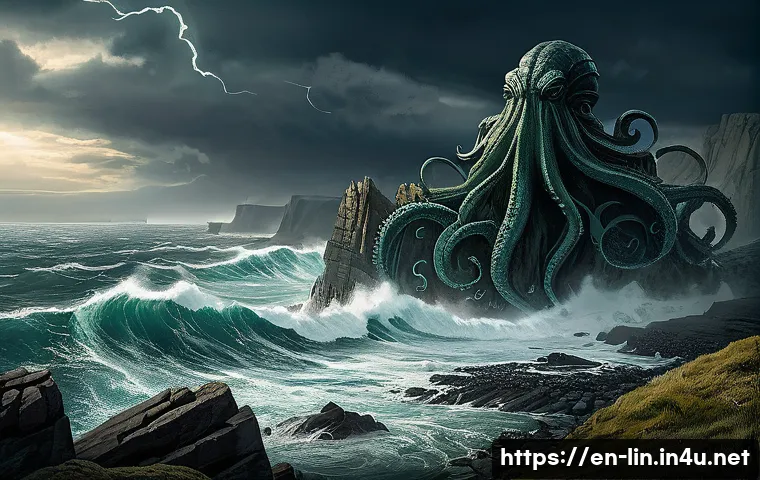
While dungeons offer a controlled environment (relatively speaking!), the open world brings its own unique set of dynamics to named monster hunting. Here, you’re not just contending with the monster itself, but also with the elements, the vast distances, and, most prominently, other players. Zones like Forgotten Island or the Northern Shore, home to the mighty Kraken, are massive, making tracking spawns a monumental task. You might spend hours traversing the landscape, only to find that another group has already claimed your target. However, the open world also offers a sense of freedom and discovery that dungeons sometimes lack. The thrill of stumbling upon a rare spawn while casually grinding, or coordinating a massive guild raid across a sprawling landscape, is unparalleled. It demands a different kind of preparation, often focusing on movement speed, reconnaissance, and quick PvP response times.
The Economics of Extermination: Profiting from the Hunt
For many players, named monster hunting isn’t just about the glory or the personal gear upgrades; it’s a significant source of income, a bustling economy built on risk and reward. The sheer value of some of these drops can be astronomical, turning a single successful hunt into a massive payday. I’ve seen players fund entire character builds, purchase premium items, or simply amass a fortune by consistently farming high-value named monsters. It’s a high-stakes business, often requiring substantial upfront investment in potions, gear, and time, but the potential returns are phenomenal. This aspect of the game adds another layer of strategic depth, transforming simple combat encounters into carefully calculated economic ventures. You’re not just a warrior; you’re also an entrepreneur, constantly evaluating market prices, assessing risks, and planning your next big score.
Market Fluctuations: Selling Your Treasures
The value of named monster drops isn’t static; it fluctuates wildly based on supply and demand, server trends, and even major game updates. A rare weapon that fetches a fortune one month might see its price drop the next if a new content patch introduces a superior alternative or if its drop rate is secretly adjusted. This means that to truly maximize your profits, you need to be a savvy market watcher. Selling your drops at the optimal time can make the difference between a good profit and an extraordinary one. I’ve often held onto certain rare crafting materials for weeks, waiting for the perfect market conditions, and it usually pays off. It’s a delicate dance of patience and opportunism, much like the hunt itself, and mastering it can turn you into a true economic powerhouse within the game.
Investing in the Hunt: Gear, Potions, and Scrolls
To consistently take down named monsters, especially the tougher ones, you need to invest. This isn’t a cheap hobby! High-quality gear, a constant supply of healing and mana potions, stat-boosting scrolls, and even teleportation scrolls all add up. I’ve poured countless millions of adena into preparing for major raids, understanding that this investment is critical for success. Think of it as overhead for your monster-hunting business. Skimping on these essentials is a surefire way to fail, lose valuable time, and ultimately miss out on those lucrative drops. Sometimes, it even means investing in specific gear sets tailored to a particular monster’s weaknesses or resistances. It’s a cyclical process: you spend to hunt, you hunt to earn, and you earn to spend more effectively. This constant re-evaluation of your resources and how you allocate them is a core part of the Lineage experience.
Wrapping Up Our Epic Hunt
And there you have it, fellow adventurers! We’ve delved deep into the thrilling world of named monsters in Lineage, from the heart-pounding anticipation of a rare spawn to the glorious satisfaction of claiming that legendary loot. It’s a journey filled with challenges, strategy, and unforgettable moments that truly define our experience in Aden. As someone who’s spent countless hours chasing these magnificent beasts, I can honestly say that every single encounter, successful or not, has added a rich layer to my personal Lineage saga. These aren’t just pixels; they are the benchmarks of our progression, the catalysts for our friendships, and the source of our most cherished in-game memories. Remember, the world of Lineage is vast and ever-changing, but the allure of these formidable foes and the incredible treasures they guard remains a constant, drawing us back to the hunt time and time again. So, gear up, gather your allies, and may your next named monster hunt be your most legendary yet!
Handy Tips for Your Next Big Hunt
1. Master Spawn Timers and Locations: Don’t just wander aimlessly! The most successful hunters are those who diligently research and track spawn windows for their desired named monsters. Utilize community resources, keep a log of your own kills, and learn the exact zones where each boss can appear. Knowing the precise moment and place to strike can save you hours of futile searching and dramatically increase your chances of being the first to engage.
2. Assemble a Balanced Team: While soloing can be exhilarating for some named monsters, many demand a well-rounded party. Prioritize a solid tank to hold aggro, reliable healers to keep everyone alive, and effective damage dealers to quickly dispatch the foe. Don’t underestimate the power of support classes who can buff your party and debuff the enemy, turning the tide of battle in your favor. Team synergy truly is everything.
3. Resource Management is Key: Before heading out, stock up on essential supplies. This means not just healing potions but also mana potions, teleport scrolls for quick escapes or repositioning, and stat-boosting scrolls that can give you that crucial edge. Running out of a critical item mid-fight is a rookie mistake that can cost you a valuable drop, or worse, your character’s life. Always be over-prepared rather than under-prepared.
4. Understand Market Dynamics: The loot you acquire from named monsters can be incredibly valuable, but its price fluctuates. Keep an eye on the in-game market, observe supply and demand, and learn when to sell your treasures for maximum profit. Sometimes, holding onto a rare crafting material or a high-end spell book for a few days or even weeks can yield significantly higher returns, allowing you to fund further adventures or gear upgrades.
5. Embrace Patience and Persistence: Named monster hunting is often a test of endurance. Rare drops are, by definition, rare, and you might go dozens, if not hundreds, of kills without seeing that one coveted item. Don’t get discouraged! Every attempt brings you closer, and the thrill of the chase, combined with the eventual triumph, makes all that patience absolutely worthwhile. Keep grinding, keep learning, and your dedication will eventually pay off.
Key Takeaways for Master Hunters
At its core, conquering Lineage’s most wanted named monsters is a multifaceted challenge that combines meticulous preparation, strategic execution, and unwavering patience. Remember that success isn’t solely about raw power; it’s heavily influenced by your understanding of spawn mechanics, your ability to coordinate effectively with a team, and your savvy in managing both combat resources and market opportunities. I’ve seen countless players, myself included, grow tremendously not just in character strength but in strategic thinking by engaging with these formidable foes. It’s an adventure that promises not only legendary gear but also unforgettable memories and a deeper appreciation for the intricate world of Lineage. Go forth, plan wisely, fight bravely, and may your inventory be filled with epic loot!
Frequently Asked Questions (FAQ) 📖
Q: What makes hunting Lineage’s named monsters so incredibly rewarding and why should I even bother?
A: Oh, my friend, that’s a question I get all the time, and honestly, it hits close to home because I’ve been there, wondering if the endless hours are really worth it.
But trust me, they absolutely are! It’s not just about the loot, though let’s be real, those epic drops – the rare weapons, the coveted armor pieces, the essential crafting materials – are a huge part of the allure.
I remember one time, after what felt like an eternity battling a certain monstrous creature, a legendary shield finally dropped. The sheer scream of joy from my guild was deafening!
Beyond the shiny treasures, it’s the thrill of the chase, the strategic planning with your guildmates, and the adrenaline surge when you finally take down a beast that’s been wiping your raid party for hours.
These battles forge incredible memories and bonds. It’s a testament to your dedication and skill, marking you as a true adventurer in the world of Lineage.
Plus, there’s that sweet, sweet bragging rights feeling, you know?
Q: Finding these named monsters feels like searching for a needle in a haystack!
A: re there any secrets to tracking them down, or is it just pure luck? A2: Ah, the age-old dilemma of the elusive named monster! I’ve spent countless nights scouring maps, checking obscure corners, and even setting alarms for rumored spawn times – a truly dedicated (some might say obsessive!) pursuit.
While a dash of luck always helps, it’s far from the only factor. The key really lies in understanding their spawn mechanics. Most named monsters operate on specific timers, often with a window of variability, and many have designated spawn points.
It’s not always a hard and fast “every X hours” rule, but rather a “sometime within this X hour window at one of these Y locations.” My best advice, from years of experience, is to join an active, communicative guild.
Community knowledge is your greatest asset here. Guildmates often share intel, keep track of last known kills, and coordinate patrols. And hey, sometimes it just takes a bit of good old-fashioned patience and knowing the popular hunting grounds where these formidable foes are known to roam.
Stay observant, keep an ear to the ground, and you’ll increase your odds dramatically!
Q: Facing off against a truly powerful named monster sounds terrifying! What’s the best way to prepare for these high-stakes encounters, especially for someone who might not have a massive guild backing them up?
A: I totally get that feeling! My heart still pounds sometimes, even after all these years, before a big named monster fight. It can definitely feel daunting, especially if you’re not part of a super-sized, organized guild.
But fear not, adventurer! Preparation is truly your best friend. First, know your enemy.
Researching the monster’s abilities, attack patterns, and resistances is paramount. There are usually guides or community discussions that can give you a heads-up on what to expect.
Second, group composition is key. Even a small, well-balanced party can achieve incredible feats. Think about having a tank, healers, and damage dealers, ensuring everyone knows their role.
Third, consumables are non-negotiable! Stock up on healing potions, mana potions, scrolls, and any temporary buffs you can get your hands on. I’ve seen countless battles turn because someone ran out of a critical item.
Lastly, and this is where personal experience really shines, communication and adaptability during the fight itself are vital. Call out targets, announce incoming threats, and be ready to adjust your strategy on the fly.
It’s less about brute force and more about smart, coordinated teamwork. Trust me, the satisfaction of overcoming a seemingly impossible challenge with a small but dedicated group is one of the most fulfilling experiences in Lineage!