Hey everyone! If you’ve ever thought about diving into the legendary world of Lineage but felt a little lost before even starting, trust me, you’re definitely not alone.
It’s a true classic for a reason, brimming with incredible lore, intense PvP, and a truly dedicated community that’s been around for ages. But let’s be real, stepping into a massive online world that’s been evolving for decades can feel incredibly daunting, especially when you just want to jump in and experience the magic.
I distinctly remember my first time logging in, staring at the character creation screen, and having absolutely no clue where to even begin. There’s so much to learn, from the nuanced class mechanics to navigating the vast continent and understanding the player-driven economy.
It’s easy to get overwhelmed by all the information out there, making you wonder if you’re even playing the game correctly. That’s precisely why I put together this guide – to cut through the noise and give you a clear, straightforward path to enjoying Lineage from day one.
I’ve personally navigated those early hurdles and found some fantastic strategies to make your journey smoother and far more enjoyable. Whether you’re a complete MMORPG newcomer or a seasoned adventurer looking for a fresh start, getting a solid foundation makes all the difference.
Ready to embark on your epic adventure with confidence? Let’s dive deep into your ultimate Lineage beginner’s roadmap and discover exactly how to conquer this incredible world!
Choosing Your Path: Character Creation and Your First Steps
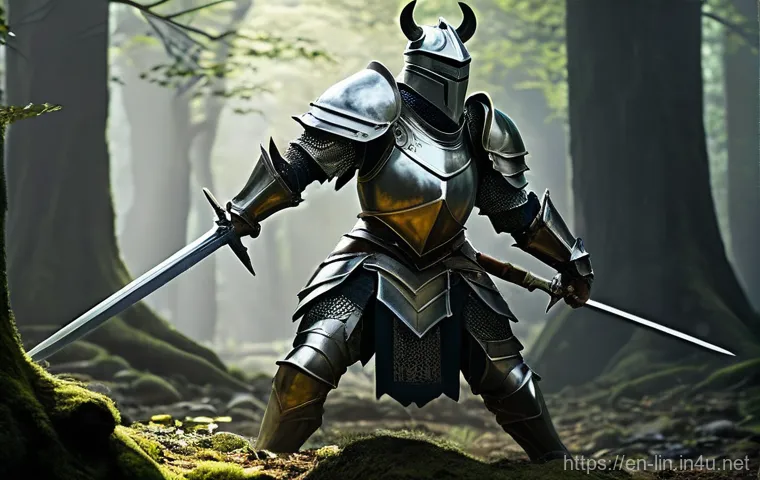
Hey, if you’re just stepping into the world of Lineage, the character creation screen can feel a bit like standing at a crossroads in a bustling fantasy city, right?
I totally get it. I remember staring at those options for what felt like an eternity, trying to figure out which class would truly resonate with my playstyle.
It’s more than just picking a cool-looking avatar; it’s about setting the foundation for your entire adventure. Do you want to be an unstoppable force on the front lines, a cunning archer raining down arrows from a distance, or a mystical spellcaster wielding ancient magic?
Each choice profoundly shapes your early game experience and your long-term journey. Take your time here. Read up a little on what each class specializes in, think about whether you prefer solo exploration or group dynamics, and honestly, just go with your gut feeling a bit too.
Your first character isn’t necessarily your last, but getting it right from the start makes all the difference in enjoying those initial hours. Remember, Lineage is a marathon, not a sprint, and your character is your loyal companion through it all.
Understanding the Races and Classes
When you first log in, you’ll see a few races, each with distinct advantages and aesthetic appeals. There are Humans, who are quite balanced and versatile, Elves with their natural affinity for ranged combat and magic, Dark Elves who excel in aggressive melee and dark arts, Orcs as formidable warriors with high HP, and Dwarves, masters of crafting and commerce.
Then come the classes: Knight, Elf, Dark Elf, Mage, Royal, Dragon Knight, Illusionist, Warrior, and Fencer. It’s a lot to take in! My advice?
If you’re completely new to MMORPGs, a Knight or a Warrior can be a fantastic starting point. They’re robust, relatively straightforward to play, and forgiving of early mistakes.
If you’re feeling a bit more adventurous, perhaps an Elf specializing in archery or a Mage focused on area-of-effect spells could be a thrilling challenge.
The key is to find a blend that excites you and complements how you envision yourself playing. Don’t be afraid to try a few out before committing; many of us have a handful of low-level characters gathering dust because we changed our minds!
Your First Hours: Making the Most of Initial Quests
Once your character is born into Aden, those first few hours are crucial. Resist the urge to just wander aimlessly, as tempting as it might be to explore.
The initial quests aren’t just there to give you experience; they’re your personal tutor, guiding you through the basic mechanics, combat system, and even the lore of the world.
Follow them diligently! They’ll provide you with essential starting gear, a steady stream of experience points, and some much-needed Adena (the in-game currency).
I distinctly remember how lost I felt until I really leaned into the quest log. It’s like having a friendly veteran player whispering directions in your ear.
These early quests also introduce you to safe zones, key NPCs, and the teleportation system, which will become your best friend as you traverse the expansive continent.
Seriously, don’t skip the tutorials disguised as quests; they’re incredibly valuable for setting you up for success and preventing that frustrating feeling of not knowing what to do next.
Mastering Your Class: Understanding Combat and Skills
Alright, you’ve picked your character, you’ve dabbled in a few quests, and now it’s time to really get a handle on what your chosen class can do. This is where the true fun begins, where you start to feel the power and uniqueness of your adventurer.
Lineage’s combat system, especially for new players, can feel a bit less flashy than some modern MMORPGs, but don’t let that fool you. There’s a deep strategic layer to it.
It’s not just about mashing buttons; it’s about timing, resource management, and understanding your opponent. Every skill point, every spell learned, fundamentally changes how you approach encounters.
I’ve seen countless players struggle simply because they didn’t take the time to truly understand their class’s strengths and weaknesses. It’s an ongoing learning process, even for veterans, because with every level and every new skill, your playbook expands.
Don’t be afraid to experiment, try different rotations, and observe how your character reacts in various combat scenarios. This dedication to understanding your class is what separates the good players from the truly great ones.
Essential Combat Strategies for Early Levels
In the beginning, combat can feel a little clunky, especially if you’re used to more action-oriented games. For melee classes, it often boils down to engaging one monster at a time, keeping an eye on your HP, and knowing when to pop a healing potion or use a minor healing spell.
Ranged and magic users have the advantage of attacking from a distance, but they need to manage their MP (Mana Points) carefully. One common mistake I see new players make is pulling too many monsters at once.
Trust me, even a few weak mobs can gang up on you and send you back to town faster than you can say “Lineage.” Learn your character’s basic attack range and movement speed.
Utilize any crowd control abilities you might have, even if they’re simple stuns or slows. And here’s a crucial tip: always keep an escape route in mind.
Sometimes, the smartest move isn’t to fight to the death, but to tactically retreat and regroup.
Skill Progression: What to Prioritize
Deciding which skills to learn and upgrade can be overwhelming, especially when Adena is tight and skillbooks aren’t cheap. My personal philosophy? Focus on core offensive abilities first for damage dealers, and essential healing or defensive spells for support classes.
For instance, a Knight will want to pump points into their core combat skills that increase damage or accuracy, while a Mage will prioritize damage spells or utility spells like ‘Heal’ if they plan on soloing.
Don’t spread your skill points too thin trying to learn everything. It’s far more effective to master a few key abilities than to have a dozen mediocre ones.
As you level up, you’ll gain access to more powerful skills, but those foundational ones are what you’ll be relying on constantly. Keep an eye on community guides for your specific class; they often have excellent recommendations for optimal skill progression, which can save you a lot of headache and Adena in the long run.
Navigating Aden: Exploration and Questing
The continent of Aden is absolutely massive, and honestly, that’s part of its charm. It feels like a living, breathing world with endless corners to discover.
But for a newcomer, it can also feel like trying to find your way through a dense jungle without a map. That initial feeling of being utterly lost? Yeah, been there, done that.
However, once you get the hang of it, exploring Aden becomes one of the most rewarding aspects of Lineage. There’s a certain thrill in stumbling upon a hidden hunting ground, discovering a new town, or realizing just how interconnected the different regions are.
It’s not just about moving from point A to point B; it’s about experiencing the journey, taking in the environment, and gradually building your own mental map of this incredible world.
Don’t be afraid to stray from the beaten path sometimes, even if it means getting into a little trouble with some monsters!
Unlocking the Map: Key Locations and Teleports
Early on, you’ll be mostly confined to the starting zones, but as you grow stronger, the world opens up. One of the first things you’ll want to get familiar with is the teleportation system.
Every major town has a ‘gatekeeper’ NPC who, for a small fee, can instantly whisk you away to other established locations. This saves an immense amount of time and makes traversing the vast distances manageable.
Beyond that, many players swear by ‘Scrolls of Teleportation’ which can warp you to a random location within a zone, often used for quickly escaping dangerous situations or finding new hunting spots.
Learn where the major cities are – Giran, Oren, Aden, Gludin, Gludio – as these will be your hubs for buying supplies, selling loot, and interacting with other players.
Pay attention to your world map (if your version of Lineage has one, some older iterations were more hardcore!) and make mental notes of good monster spawns or dangerous areas.
Questing for Gold and Glory: Efficient Progression
Quests are your bread and butter in the early to mid-game. They provide consistent experience, valuable items, and, perhaps most importantly, Adena. While Lineage isn’t as quest-driven as some modern MMOs, the ones available are crucial for smoother progression.
My personal strategy was always to group quests by geographical location. If three quests send you to the same general area, tackle them all at once! This minimizes travel time and maximizes efficiency.
Some quests might require you to gather specific items from monsters, while others involve killing a certain number of creatures or delivering messages.
Prioritize repeatable daily quests if they’re available in your version, as these are fantastic for steady income and experience. Don’t just blindly click through quest dialogues either; there’s some really rich lore embedded in them, which adds to the immersion!
The Art of Commerce: Understanding the Player-Driven Economy
Ah, the economy of Lineage! It’s a beast of its own, driven almost entirely by players, and let me tell you, understanding it is key to thriving in Aden.
You can be the strongest warrior, but without a solid grasp of how to make and manage your Adena, you’ll constantly find yourself struggling to afford better gear, essential potions, or skillbooks.
This isn’t just about grinding monsters for drops; it’s about smart trading, knowing the value of items, and sometimes, a little bit of luck. I’ve seen fortunes made and lost in the blink of an eye on the Lineage market.
It’s a vibrant, sometimes brutal, marketplace that truly adds another layer of depth to the game. Getting savvy with your finances early on will alleviate so much stress later, allowing you to focus on the more exciting aspects of adventuring.
Making Your First Fortune: Early Game Trades
When you’re just starting, your “fortune” might just be enough Adena to buy a few dozen healing potions, and that’s perfectly fine! Your earliest income will come from selling monster drops to NPCs or, more profitably, to other players.
Pay attention to what items fetch a higher price from players – things like crafting materials, enchanted weapon/armor scrolls, or rare spellbooks. Don’t be afraid to set up a personal shop (if your class allows it, or if you have access to a shop permit item) in a bustling area like Giran.
Even selling common items in bulk can add up quickly. Another often overlooked method is gathering. Certain herbs or resources found in the wild can be quite valuable to crafters.
It’s not the most glamorous way to earn Adena, but it’s consistent and requires minimal combat gear.
Understanding the Market: Buying and Selling Smart
The Lineage market is dynamic. Item values fluctuate based on demand, rarity, and current events in the game world (like a new patch or an influx of new players).
Before you buy or sell anything significant, take a few minutes to check other player shops. What are similar items going for? Are there many of them available, or is it a rare find?
Don’t be afraid to haggle a bit if you’re buying directly from another player, but also be fair. Price gouging rarely makes you friends. If you’re selling, try to price your items competitively but don’t undersell yourself.
Listing items slightly below the average can lead to quick sales, but if you have a truly rare or desirable item, holding out for a good offer might be worth it.
Sometimes, waiting a day or two for demand to rise can double your profits. It’s a game of patience and observation.
Protecting Your Assets: Avoiding Scams
Unfortunately, like any player-driven economy, Lineage has its share of unscrupulous individuals. Be extremely cautious when trading. Always double-check item names, quantities, and Adena amounts before confirming a trade.
If something feels off, or if someone is pressuring you to trade quickly, just walk away. There are common scams like item renaming (making a cheap item look like a valuable one) or trying to swap out a high-value item for a low-value one at the last second.
Remember, if a deal seems too good to be true, it almost certainly is. Never share your account information, and be wary of third-party websites offering “free” Adena or items.
Protecting your hard-earned wealth is just as important as earning it!
Joining the Ranks: Guilds and Community
Lineage is, at its heart, a massively multiplayer online role-playing game. And honestly, trying to tackle it alone is like trying to scale a mountain with one hand tied behind your back.
The community aspect is incredibly rich, deep, and often, what keeps players coming back for years. Joining a guild (or “Blood Pledge” as they’re called in Lineage) isn’t just about having people to chat with; it’s about forming alliances, finding mentors, gaining access to shared resources, and participating in some of the game’s most epic content.
I can’t stress enough how much more enjoyable and sustainable your Lineage journey becomes once you find a good group of people to adventure with. It transforms the game from a solo grind into a shared epic, filled with camaraderie, challenges, and unforgettable moments.
Finding Your Tribe: The Benefits of a Good Guild
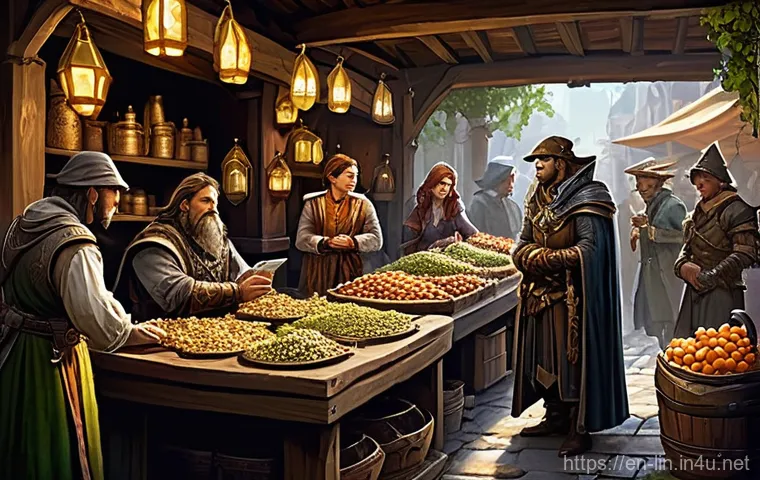
When you’re starting out, a good Blood Pledge can be an absolute lifeline. They often have experienced players who are more than willing to offer advice, share tips, and even help you out with some spare gear or Adena if you’re struggling.
Beyond that, guilds provide a ready-made group for tackling difficult quests, grinding in dangerous zones, or participating in boss hunts. There’s a certain safety in numbers in Lineage, and being part of a strong guild means you’ll have allies to watch your back.
But it’s not just about practicality; it’s about belonging. The laughter, the shared triumphs, the occasional dramatic defeats – these are the moments that truly make Lineage special.
Look for guilds that align with your playstyle, whether you prefer casual exploration or hardcore PvP. Don’t be afraid to ask questions in town chat or on official forums about recruitment!
Grouping Up: Essential Party Play Tips
Lineage party play has its own unique rhythm. Communication is absolutely key. Make sure you understand your role within the group – are you the primary damage dealer, the tank holding aggro, or the healer keeping everyone alive?
Always communicate targets, potential threats, and when you need to regenerate HP or MP. Share loot fairly; many guilds have rules about how drops are handled, whether it’s a free-for-all, a system of rolling dice, or a specific distribution based on need.
Be mindful of your party members’ levels and gear; don’t drag them into zones they can’t handle. And most importantly, be a good sport. A positive attitude goes a long way in fostering good relationships and ensuring you’ll always have people willing to group with you.
Some of my fondest Lineage memories are from challenging group hunts that pushed our limits, only to emerge victorious together.
Gear Up: Essential Equipment and Upgrades
Let’s talk gear, because in Lineage, your equipment is often just as important, if not more important, than your level. When you’re first starting, the gear you get from quests will serve you well enough, but you’ll quickly hit a wall where you need something more substantial to survive increasingly dangerous areas and monsters.
Trust me, I’ve been there, thinking my trusty starter sword would last forever, only to get absolutely mauled in a new hunting ground. Upgrading your equipment is an ongoing process, a continuous hunt for better stats, more powerful enchantments, and that elusive rare drop that can change everything.
It’s a journey of incremental improvements, each one making you a little tougher, a little stronger, and a little more prepared for the challenges that lie ahead.
| Item Type | Early Game Priority | Why It Matters |
|---|---|---|
| Weapon | +0 to +4 Enchanted | Your primary damage source. Higher enchantment = more damage. Aim for one that matches your class’s primary stat (STR for melee, INT for mages, DEX for archers). |
| Armor Set | Full Set (e.g., Mithril, Full Plate) | Provides essential Physical Defense (AC). A complete set often gives bonus stats or unique effects. Prioritize chest and shield first. |
| Shield (if applicable) | +0 to +2 Enchanted | Crucial for melee characters to boost AC and block incoming attacks. Don’t underestimate its defensive value. |
| Accessories | Strength/Dexterity/Intelligence Rings, Amulets | Often overlooked, but rings and amulets can provide vital stat boosts that directly impact your damage, spell power, or accuracy. |
| Potions & Scrolls | Healing Potions, Haste Potions, Scrolls of Return/Teleport | Absolutely essential for survival and mobility. Always carry a plentiful supply. Haste boosts attack speed and movement. |
Early Game Gear: What to Look For
When you’re fresh out of the starting gate, you’ll mostly rely on drops from early monsters and quest rewards. Don’t discard these immediately, as they’re your baseline.
Your first real upgrades will likely come from basic enchanted items. Look for common weapons and armor that have a ‘+1’ or ‘+2’ enchantment. These might not seem like much, but they offer a significant boost over unenchanted gear.
Check player shops in major towns; often, players will sell slightly enchanted common gear at reasonable prices. Focus on getting a decent weapon that suits your class first, as that will improve your killing speed and efficiency.
After that, work on getting a full set of basic armor to boost your AC (Armor Class), which is your primary defense stat.
Enchanting and Upgrading: The Path to Power
Enchanting is where things get exciting, and a little nerve-wracking! You’ll find ‘Scrolls of Enchant Weapon’ and ‘Scrolls of Enchant Armor’ as drops.
These can be used to improve your gear’s stats, but beware: there’s a chance of failure, and a failed enchantment can destroy your item! My advice for beginners is to stick to safe enchantments first.
Most common items can be safely enchanted to +4 without risk of destruction. Once you have a backup item, you can try for higher enchantments, but always be prepared for the worst.
It’s a thrill when it succeeds, but devastating when it breaks! Beyond enchanting, some gear can be upgraded through crafting or specific quest lines.
This often involves gathering rare materials and can be a significant investment, but the rewards are usually worth the effort for those truly powerful items.
Accessories and Potions: The Small Details That Matter
Don’t underestimate the power of accessories and potions! Rings, earrings, and amulets might seem like minor additions, but they often provide crucial stat boosts – a few extra points in Strength can significantly increase your melee damage, while Intelligence can boost your spell power.
These small stat increases add up, making a noticeable difference in your overall effectiveness. Similarly, always, *always* carry a healthy supply of healing potions.
They are your lifeblood in combat. Haste potions are also incredibly valuable, increasing your attack speed and movement speed, which can be a game-changer for both farming and PvP.
And finally, don’t forget Scrolls of Return and Scrolls of Teleport. They’re not just conveniences; they’re essential escape tools that can save your life and prevent losing valuable experience or items upon death.
Stock up on these whenever you’re in town!
글을 마치며
Whew! What an adventure we’ve had, diving deep into the intricate world of Lineage. It’s truly a game that keeps on giving, isn’t it? From the moment you first click that ‘create character’ button, you’re not just playing a game; you’re embarking on a journey filled with endless possibilities, challenges, and some seriously rewarding triumphs. I’ve spent countless hours navigating Aden, making friends, slaying epic monsters, and yes, sometimes getting completely lost, but every moment has been a part of my unique story. Remember, Lineage is a marathon, not a sprint, and the most satisfying victories often come after a long, dedicated effort. So, take these tips, embrace the grind, and most importantly, enjoy every single step of your epic saga!
알아두면 쓸모 있는 정보
1. Always try to make the most of Lineage’s modern conveniences, like the auto-hunt system, but don’t just set it and forget it. I’ve personally found that managing your healing potions and staying within safe zones while auto-hunting dramatically improves efficiency and keeps you from unexpectedly dying and losing valuable experience or items. It’s all about smart resource management, even when the game is doing some of the heavy lifting for you.
2. Keep an eye on the current class meta, especially if you’re looking to optimize your gameplay. For solo PvE farming in Lineage 2M, for example, the Elf Oracle (Orb class) is currently a powerhouse due to its healing and area-of-effect capabilities. If PvP is more your style, you might lean towards a Dagger class like the Dark Elf Assassin for that burst damage and agility. The game evolves, so staying informed helps you make the best strategic choices, even with class transfer systems available later on.
3. Don’t underestimate the power of daily content! Daily dungeons, elite zones, and various in-game events are your bread and butter for consistent experience, Adena, and crucial upgrade materials. I always make it a point to tackle my dailies first; they’re an invaluable source of steady progression that adds up significantly over time. It’s like a little daily treasure hunt that keeps you moving forward without feeling like a chore.
4. When it comes to enhancing your gear, always proceed with caution, especially with valuable items. My golden rule is to always have a backup or try to acquire duplicates for important equipment before attempting risky enchantments. Many common items can be safely enchanted to +4, offering a solid boost early on without the heart-stopping fear of item destruction. It’s a delicate balance between risk and reward, but careful planning saves a lot of headaches!
5. Seriously, join a guild (or Blood Pledge in Lineage) as soon as you can! Beyond the social aspect, the benefits are immense. You’ll find experienced players willing to offer advice, potential group opportunities for challenging content, and often access to shared resources or buffs. It’s like having a built-in support system that makes the daunting world of Lineage feel much more manageable and, dare I say, a lot more fun.
중요 사항 정리
Your Lineage Journey Starts with You
Ultimately, your adventure in Lineage is incredibly personal, shaped by every choice you make. While character creation sets a foundational path, the game is wonderfully flexible, offering avenues to evolve and specialize your character through class transfers and continuous skill development. My journey has shown me that the true essence of the game isn’t just about reaching max level or having the best gear; it’s about the growth, the challenges overcome, and the stories you forge along the way. Embrace the learning curve, because every mob defeated, every quest completed, and every item acquired builds upon your unique narrative in Aden.
Strategic Play and Community are Your Allies
Even with modern auto-play features in some versions, Lineage demands a strategic mind. Smart resource management – whether it’s potions, MP, or your in-game currency, Adena – is paramount for sustained progress. The player-driven economy is a vibrant beast; understanding market trends and making informed buying and selling decisions can significantly impact your wealth and gear progression. But beyond all the mechanics, the most enduring aspect is the community. Finding a reliable guild and engaging with other players not only makes challenging content more accessible but truly transforms the game into a shared, unforgettable experience. It’s the camaraderie, the shared struggles, and the collective triumphs that keep me coming back for more.
Adapt and Thrive in an Evolving World
Lineage is an ever-evolving world with constant updates, new classes, and balancing changes. To truly thrive, it’s essential to stay informed about the latest meta, leverage daily content, and adapt your strategies. Don’t get stuck in old habits; explore new zones, try different skill rotations, and constantly look for ways to optimize your character’s potential. The game is deep, and there’s always something new to learn or a different approach to try. My biggest takeaway? Keep an open mind, be willing to experiment, and never stop exploring what Aden has to offer. That’s the secret to not just surviving, but truly flourishing in Lineage for years to come.
Frequently Asked Questions (FAQ) 📖
Q: How do I choose the best class for a new player in Lineage, especially if I’m playing solo?
A: Oh, the age-old class dilemma! I totally remember agonizing over this myself, staring at the character creation screen for what felt like hours. It’s a huge decision because it really shapes your early game experience, especially if you’re like me and often find yourself adventuring solo.
From what I’ve seen and personally experimented with, for beginners who mostly plan to solo, classes that offer a good balance of damage, survivability, and perhaps some self-buffs tend to be the most forgiving.
Many seasoned players, and my own experience backs this up, often recommend summoners, daggers, or even certain warrior classes as solid starting points.
For instance, a Summoner class, like the Wynn Spectral Master, can be fantastic because your summon acts as a tank and damage dealer, essentially letting you solo content that might otherwise require a group.
It really reduces the pressure on you to constantly manage incoming damage. I’ve heard from fellow players that with even minimal investment, summoners can tackle early zones quite effectively.
If you’re leaning more towards physical damage, a dagger class, such as an Othell Fortune Seeker or Othell Ghost Hunter, can be surprisingly good. The Fortune Seeker even has a passive that boosts PvE damage significantly, which is a huge leg up for farming!
And if you’re really looking for an all-rounder, the Destroyer often gets a shout-out for its high damage, even at low health, making it effective for both farming and PvP.
My personal advice? Think about your playstyle. Do you like managing pets, dishing out quick damage, or standing firm in the face of danger?
There’s a class for every preference, but starting with one that offers a smoother solo experience will make your initial journey so much more enjoyable.
Q: What’s the most efficient way to level up and get decent gear as a beginner?
A: This is where a lot of new players get stuck, and honestly, it can be a bit overwhelming trying to figure out the best path. When I first started, I spent way too much time wandering aimlessly!
The absolute best advice I can give you for early leveling is to focus heavily on your main quests. They’re designed to guide you through the initial stages, immersing you in the lore, and more importantly, providing a consistent stream of EXP and basic gear to get your character stronger.
Beyond the main quests, don’t ignore daily and weekly quests! These are little goldmines of experience and rewards that really add up over time. I always make sure to knock out my dailies – it’s like a small, consistent boost to your progression.
For gear, the game often provides “illusory equipment” or starter kits on new servers which are incredibly helpful to kick things off. As you progress, you’ll start seeing different grades of items (D, C, B, A, S).
My rule of thumb is to not spend too much time or Adena on C-grade items; they’re mostly fodder for upgrading better gear. Focus on getting B-grade or higher as soon as you can, and always enhance your main weapons and armor.
You can often buy basic gear from NPC shops, but it gets expensive fast, so prioritizing quest rewards and dungeon drops is key. Also, keep an eye out for events; they often offer amazing leveling kits and other useful consumables!
Q: How does the in-game economy work in Lineage, and how can a new player make money (
A: dena)?
A3: Ah, the Lineage economy! It’s a beast of its own, often player-driven and can feel a bit like a real-world market, which I find fascinating!
For a new player, figuring out how to make Adena, the main currency, is crucial. My early days involved a lot of trial and error, but I’ve learned a few solid ways.
First off, doing your daily quests and participating in daily dungeons will give you a steady, albeit smaller, income of Adena and useful items you can sell.
These are consistent and low-effort ways to keep your pockets from being completely empty. Many players also swear by farming low-level areas like Catacombs and using the “Manor” system (if available on your server) to get Ancient Adena or other valuable resources that can be sold.
It’s a bit of a grind, but it’s reliable. Another fantastic method is trading. Keep an eye on the player-driven market; sometimes you can buy items at a low price in one town and sell them for a profit in another, especially considering the teleportation costs between towns.
Clans also play a huge role here; an active Blood Pledge (guild) can offer daily check-in rewards and provide opportunities to participate in group activities that yield valuable loot.
Don’t be afraid to join one early on; it’s not just about protection, it’s about economic opportunity too! Lastly, don’t underestimate spoiling and crafting if you enjoy that playstyle.
Dwarves, for example, are naturally geared towards this and can make excellent money by spoiling materials and crafting items that other players need.
It takes dedication, but the payoff can be significant once you get going.