It’s truly incredible to see how our digital lives are becoming more and more intertwined with real-world value, isn’t it? Just a few years ago, the idea of virtual items holding significant monetary worth seemed like something out of a sci-fi novel.
But fast forward to today, and we’re living in a world where in-game economies are thriving, often mirroring real-world markets with astonishing accuracy.
From the early days of iconic MMORPGs like Lineage to the latest blockchain-powered games and the buzz around NFTs in the metaverse, the concept of digital ownership and the valuation of unique virtual assets has exploded.
I’ve personally been captivated by this evolution, observing how a seemingly simple pixelated item can command prices that would make a traditional collector’s jaw drop.
The trends are clear: our digital possessions are gaining tangible value, and understanding how to assess that value is becoming an essential skill for any savvy gamer or digital entrepreneur.
It’s a fascinating blend of economics, community perception, and sheer luck that keeps us all on our toes. If you’ve ever delved into the legendary world of Lineage, you know that rush – that heart-pounding moment when a rare item drops, or when you finally trade for that elusive piece of gear you’ve been dreaming of.
But then comes the big question: what is it *really* worth? I’ve been there countless times myself, staring at a new acquisition and wondering if I’ve struck digital gold or just acquired a fancy paperweight.
Valuing those incredibly rare finds in a game as complex as Lineage can feel like trying to decipher an ancient riddle, especially with the market constantly shifting and community perceptions playing such a huge role.
It’s not just about stats; it’s about history, scarcity, and sometimes, just plain hype. I’ve picked up a few tricks over my years navigating these virtual markets, and trust me, getting it right can make all the difference in your in-game fortune.
Let’s dive in and understand exactly how to put a price on those legendary treasures.
It’s a peculiar thing, isn’t it, how a game can create such a vibrant, almost tangible economy? For us veterans of games like Lineage, it’s more than just pixels on a screen; it’s a bustling marketplace where fortunes are made and lost with every rare drop.
I’ve spent countless hours navigating these treacherous yet exhilarating waters, and if there’s one thing I’ve learned, it’s that truly understanding an item’s worth goes far beyond what a tooltip might tell you.
It’s an intricate dance between supply, demand, and that elusive ‘wow’ factor.
Deciphering True Scarcity from Perceived Rarity

Understanding what makes an item truly rare is the bedrock of accurate valuation. We’ve all been there: a monster drops something labeled “rare,” and our hearts skip a beat, only to find out it’s just a common drop with a fancy name.
True rarity, my friends, is a different beast altogether. It comes from excruciatingly low drop rates, items that were only available during limited-time events years ago, or even gear that’s simply been phased out of the game entirely.
I remember back in the day, I spent literally hundreds of hours grinding in a specific zone, convinced a certain helmet would make me invincible. When it finally dropped, the actual stats were good, sure, but its true value came from the sheer number of failed attempts others had endured, creating this almost mythical aura around it.
It wasn’t just about the item; it was about the journey, the legend, and how few players could actually claim to possess one. This creates a natural scarcity that the market inevitably recognizes, pushing prices far beyond what utility alone might dictate.
The Illusion of Abundance: Differentiating True Rarity
Sometimes, an item might *seem* common because many players have it, but delve deeper, and you realize it’s actually just very accessible to dedicated players, not necessarily abundant.
True rarity often stems from incredibly tight drop rates from specific, high-level bosses or random world events that only occur once in a blue moon. It’s easy to mistake an item that requires immense effort to obtain for one that is genuinely scarce.
The key is to look at the overall supply across all servers and the historical data of its availability. If an item was mass-produced through a bug or an oversight, its perceived rarity, and thus its market value, will eventually plummet, no matter how cool it looks.
Event Exclusives and Discontinued Treasures
These are the crown jewels for any savvy virtual investor. Items that were only available during a week-long anniversary event five years ago, or gear that was removed from the loot tables in a major patch, hold a special place in the market.
Their supply is finite, and it’s never going to increase. I personally snagged a couple of decorative capes from an old Halloween event many years ago, and I remember thinking at the time, “These look neat, but probably won’t be worth much.” Fast forward to today, and their value has quintupled because new players coming into the game can literally *never* get them again.
This “unobtainable” status is a goldmine for valuation, and it’s something I always keep an eye out for.
The Unseen Power of Community and Hype
If you think real-world markets are driven by emotion, you haven’t seen anything until you’ve witnessed a Lineage economy in full swing. Player perception, the influence of well-known players or guilds, and the ebb and flow of server-wide trends can single-handedly inflate or deflate an item’s price faster than you can say “Adena.” I’ve seen seemingly unremarkable items skyrocket in value because a top-tier streamer started showcasing it in their videos, sparking a server-wide craze.
It wasn’t about the item’s inherent stats or rarity; it was purely about the ‘cool’ factor and the desire to emulate an idol. This social dynamic adds a fascinating, unpredictable layer to item valuation.
It’s a constant reminder that sometimes, the collective imagination of the player base is more powerful than any in-game statistic. Ignoring this aspect is like trying to navigate a stormy sea without a compass – you’re just asking for trouble.
It’s about being tuned into the server’s heartbeat, understanding what players are talking about, and anticipating the next big thing.
Influencer Impact: When Streamers Set the Price
It’s undeniable: what a popular streamer or a prominent guild leader uses or endorses can directly impact market prices. I’ve witnessed firsthand how a simple comment like, “This [specific item] is actually super underrated,” from a popular content creator can send its demand through the roof within hours.
Suddenly, everyone wants it, not necessarily because they’ve analyzed its stats, but because someone they respect said it was good. This phenomenon isn’t new, but its speed and intensity in games like Lineage are astounding.
It means staying updated with who’s hot on Twitch or YouTube and what gear they’re showcasing can give you a significant edge in predicting market movements.
Server Economies and Social Status
In many ways, the items we carry in games are extensions of our social status. A rare, visually distinct piece of armor or a legendary weapon isn’t just about its combat efficacy; it’s a statement.
It tells other players, “I’m powerful,” or “I’ve been playing for a long time,” or “I’m rich.” This desire for recognition and social standing is a massive driver of demand for certain items, especially cosmetics or vanity items that offer little to no practical advantage.
I’ve personally paid a premium for a unique mount just because it looked incredibly cool and very few others on my server had it. That feeling of exclusivity, of standing out from the crowd, is a powerful motivator that fuels the prices of many highly coveted items.
Tracking the Market: Beyond Simple Price Checks
Relying on a single snapshot of an item’s price is like trying to guess the weather based on one cloud. You need to understand the historical context, the trends, and where to find the most accurate and up-to-date information.
Early in my Lineage career, I’d just check the in-game bazaar once, see a few listings, and assume that was the going rate. Boy, was I wrong! I learned the hard way that a single high listing might just be wishful thinking, or a low one could be a quick sale.
The real insight comes from observing prices over weeks, or even months, to identify patterns, peaks, and valleys. Forums, Discord channels dedicated to trading, and even older, archived marketplace data can be invaluable.
It’s about building a comprehensive understanding, not just a fleeting glance. This diligent tracking helps you avoid panic selling during a dip or overpaying during a sudden, temporary spike in demand.
Leveraging Community Resources for Price Data
The Lineage community is vast, and many dedicated players have already done the legwork for you. Join official and unofficial Discord servers, actively participate in trade forums, and check fan-made databases or wikis.
These platforms often have sections dedicated to market discussion and price checks where experienced traders share their insights. I regularly check a couple of specific Discord channels that have dedicated price-check roles; the collective knowledge there is far more accurate and up-to-date than anything I could gather alone.
Don’t be shy to ask for opinions, but always cross-reference information to ensure you’re getting a balanced perspective.
Historical Data and Market Trend Analysis
Think of the Lineage market like a stock market, but for magical swords and epic armor. Just as financial analysts look at charts and historical performance, we should do the same for our virtual assets.
If an item consistently sells for a certain range, but suddenly dips, it might be a buying opportunity. Conversely, if it spikes, it could be a good time to sell.
Many players keep their own spreadsheets of past transactions or track items they’re interested in. While official historical data might be hard to come by in-game, diligent players often compile it unofficially.
It’s about looking at the long game, understanding the seasonality (like prices often dropping after a major update or event), and making informed decisions rather than impulsive ones.
Grasping the ‘Why’: Utility vs. Collectibility
This is where the art of valuation truly shines. Not all rare items are created equal, and their value often stems from two distinct, sometimes overlapping, categories: utility and collectibility.
An item’s utility refers to its in-game function – how good are its stats? Does it provide a crucial buff? Does it make your character significantly stronger?
Then there’s collectibility: is it aesthetically unique? Does it commemorate a special event? Is it just *old*?
I’ve seen players pay astronomical sums for a specific, outdated piece of armor that offers terrible stats but completes a “vintage” set. Conversely, a powerful, current-meta weapon will always command a high price due to its practical application.
The trick is understanding which of these drives an item’s value more. Sometimes, a seemingly insignificant cosmetic item can become a holy grail for collectors, dwarfing the price of even the most powerful combat gear.
The Functional Value: Stats and Performance
For many items, especially in a game like Lineage where combat is king, the primary driver of value is its functional utility. How much damage does this sword do?
How much defense does this shield provide? Does this accessory give me a critical buff that no other item does? Players are willing to pay top dollar for items that give them a tangible advantage in PvP, PvE, or simply make their daily grind more efficient.
The meta shifts, and with it, the value of functionally superior items. Always be aware of the current “best in slot” items for various classes, as these will almost always be in high demand and command premium prices due to their direct impact on gameplay performance.
The Trophy Effect: Rarity for Rarity’s Sake
Beyond stats, there’s the allure of the trophy. These are items valued purely for their scarcity, historical significance, or unique appearance. They might not offer any combat advantage, but they make a statement.
Think limited-edition pets, exclusive cosmetic outfits from long-forgotten events, or even items tied to major in-game historical moments. I recall an instance where a simple, low-level ring from an early server event fetched an incredible sum, not because it was powerful, but because it was a relic, a testament to a player’s longevity and participation in the game’s history.
For collectors, these items are often worth more than their weight in gold, reflecting a pride of ownership that transcends mere utility.
| Item Type | Primary Value Driver | Market Demand Tendency | Price Volatility (Short-Term) | Long-Term Value Outlook |
|---|---|---|---|---|
| Legendary Weapon (Current Meta) | Combat Utility | High | Medium | Medium (subject to meta shifts) |
| Rare Cosmetic (Discontinued) | Aesthetic Appeal / Collectibility | Medium to High | Low | High (as supply shrinks) |
| Event-Exclusive Consumable | Temporary Buffs / Utility | High (during events) | High | Low (once event ends) |
| Vintage Armor Set (Obsolete Stats) | Collectibility / Nostalgia | Low to Medium | Low | Medium (niche market) |
| High-Tier Crafting Material | Production Utility | Consistent High | Medium | Medium to High |
Negotiation Tactics: Selling Your Digital Gold
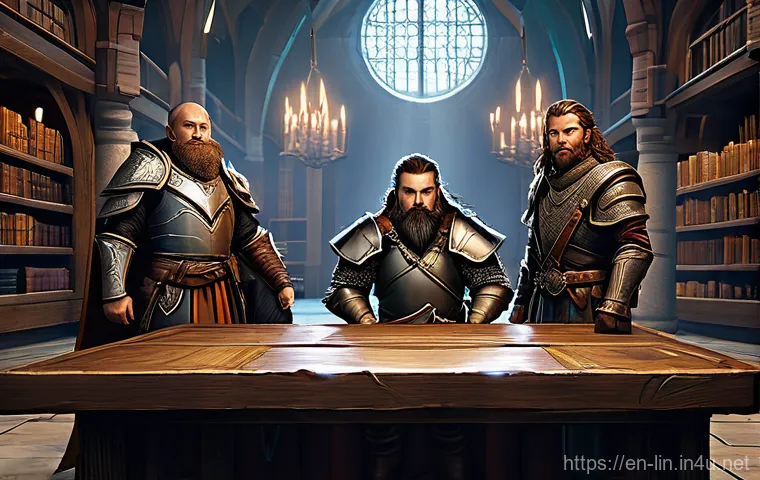
Finding the perfect item is one thing; selling it for its true worth is another entirely. I’ve botched so many sales early in my gaming career by being too eager or, conversely, too stubborn.
Setting an initial price is a delicate balance. You don’t want to undersell yourself, but you also don’t want to price yourself out of the market entirely.
Research is key here – know what similar items have sold for recently. Then, it’s about the art of the haggle. Don’t be afraid to walk away from a lowball offer, but also recognize when a fair compromise is on the table.
Building a reputation as a trustworthy and fair seller can also pay dividends, as buyers will be more willing to deal with you for high-value items. It’s not just about the numbers; it’s about the interaction, the confidence you project, and the rapport you build.
Setting the Right Asking Price
This is often the trickiest part. My strategy usually involves checking recent sales for the exact item, or very similar ones, and then setting my initial price slightly above the average.
This leaves room for negotiation without starting so high that you scare off potential buyers. Always consider the current market demand; if it’s an item everyone is scrambling for, you can be a bit more assertive with your price.
If it’s a niche item, you might need to be more flexible. I’ve learned that a good starting price invites conversation, whereas an outrageous one just invites crickets.
Mastering the Art of the Trade Window
The actual trade itself is where many deals fall apart, or where you can secure that extra bit of profit. Be polite but firm. If a buyer offers a significantly lower price, politely counter with a reasonable offer that’s still above their initial bid.
Don’t reveal your absolute minimum too soon. Always double-check the items and currency in the trade window before confirming – it sounds obvious, but you’d be surprised how many players get scammed by not paying attention.
Learning to read the buyer, understanding their eagerness or reluctance, can give you a significant advantage in closing the deal favorably.
Avoiding Pitfalls: Scams and Unrealistic Expectations
The virtual marketplaces of Lineage, while exciting, can also be a minefield of scams and unrealistic expectations. I’ve heard countless horror stories, and yes, I’ve had my own close calls.
The golden rule is: if it sounds too good to be true, it almost certainly is. Common scams include bait-and-switch tactics (showing one item, trading another), fake payment promises, or elaborate schemes to get your account information.
Always be vigilant, double-check everything, and never let greed cloud your judgment. It’s also important to manage your own expectations; not every rare drop is going to be worth a fortune.
Sometimes, an item’s perceived value in your head far exceeds its actual market worth, and holding onto that delusion can prevent you from making smart trades.
Identifying Common Scams and Red Flags
Scammers are cunning, but their methods often follow patterns. Be wary of players who rush you, insist on trading outside of official game channels, or offer incredibly lucrative deals that make no sense.
A classic red flag is someone claiming they’re from the game administration and asking for your password or “verification.” Another is the “accidentally” putting up the wrong item in the trade window, hoping you won’t notice.
My personal rule of thumb is: if I feel even a tiny bit uneasy, I walk away. Better safe than sorry, especially when you’re dealing with high-value items that took hours, days, or even months to acquire.
Emotional Trading: The Downfall of Many
It’s easy to get emotionally attached to your hard-earned items, or to get caught up in the hype of a rapidly rising market. This emotional involvement can lead to poor decisions – holding onto an item far too long past its peak, or panic-selling when the market takes a temporary dip.
I vividly remember clinging to a specific weapon, convinced it would only go up in price, only for a major game update to drop a superior version, utterly tanking its value.
Detach yourself from the item; view it as an asset. Make decisions based on market data and trends, not on sentiment or wishful thinking.
Future-Proofing Your Virtual Portfolio
Just like real-world investments, your virtual asset portfolio in Lineage isn’t static. Game updates, new content, and even the eventual decline of a game can drastically affect the value of your items.
Thinking about the long game means understanding how patches might introduce new, more powerful gear, making your current top-tier items obsolete. It also means considering the longevity of the game itself.
Investing heavily in a game that’s on its last legs might not be the smartest move. Diversifying your in-game assets across different types of items – some for utility, some for collectibility, some as crafting resources – can mitigate risks.
It’s about anticipating changes, rather than simply reacting to them, ensuring that your digital treasures continue to hold their value over time.
Game Updates and Market Volatility
Major game patches are notorious for sending market prices into a frenzy. A new expansion might introduce a powerful new tier of gear, instantly devaluing your previously prized possessions.
Conversely, a rebalancing patch could buff an underused item, causing its price to surge. I’ve learned to pay close attention to developer roadmaps and patch notes.
If I see hints of a new raid tier coming out, I might consider offloading some of my current raid gear before it becomes outdated. Staying ahead of these updates is crucial for protecting your investments and even identifying opportunities for speculative buying.
Diversifying Your Digital Assets
Putting all your Adena into one super-rare, super-expensive weapon might seem like a good idea, but it’s risky. What if that weapon gets nerfed? What if a new, better one is introduced next month?
Spreading your investments across various item types – perhaps a few powerful utility items, some rare cosmetics, and a stash of high-demand crafting materials – can buffer you against sudden market downturns for any single item.
It’s the same principle as a diversified stock portfolio. Don’t put all your eggs in one basket, even if that basket is filled with gleaming virtual gold.
What a ride it’s been, hasn’t it? Diving deep into the intricate dance of virtual economies, especially in a world as rich and enduring as Lineage, truly feels like uncovering hidden treasures.
It’s more than just a game; it’s a living, breathing ecosystem where every decision you make, every item you acquire, and every trade you execute holds real weight.
I’ve poured countless hours into navigating these markets, learning from both glorious successes and painful mistakes, and if there’s one thing I hope you take away from all this, it’s that true mastery comes from a blend of keen observation, strategic thinking, and a genuine passion for the game.
Remember, the virtual world, much like our own, rewards those who are patient, informed, and willing to adapt. It’s about building a legacy, one expertly valued item at a time.
Wrapping Things Up
Navigating the bustling marketplaces of games like Lineage is an art form, a thrilling pursuit that goes far beyond mere speculation. It’s about truly understanding the pulse of the community, anticipating shifts, and recognizing the stories behind the pixels that give them their undeniable charm and value. I hope that by sharing my own experiences and the lessons I’ve picked up over the years, you feel better equipped to dive into these dynamic economies and make some savvy decisions. This isn’t just about making Adena; it’s about enhancing your entire gameplay experience and finding an extra layer of enjoyment in the hunt for those coveted, legendary items. It’s a journey, not a destination, and every trade is a new adventure waiting to unfold.
Handy Tips to Remember
1. Master the Art of Market Research Beyond the Obvious: You wouldn’t invest in real-world stocks without doing your homework, right? The same goes for your prized virtual items. Don’t just check the current price listings; delve into historical trends. I always recommend keeping a personal log or spreadsheet of item values over time. Observe how prices fluctuate after major patches, during seasonal events, or even in response to community buzz. This long-term perspective is invaluable for identifying true buying opportunities and avoiding panic sales when the market dips. Remember that high listings might be wishful thinking and low ones, quick sales – the real value lies in the consistent averages.
2. Engage with the Community to Spot Emerging Trends: In Lineage’s vibrant world, player perception and the influence of community figures can rapidly reshape item values. Keep an active eye on official forums, popular Discord channels dedicated to trading, and even streaming platforms where top players showcase their gear. I’ve seen items skyrocket overnight because a respected guild leader or a well-known streamer started using or endorsing them. Being plugged into these social dynamics gives you an early warning system for market shifts and can help you jump on trends before they fully materialize. Don’t be a lone wolf; the collective wisdom of the community is a powerful tool for valuation.
3. Differentiate Between an Item’s Utility and its Collectible Allure: Not every expensive item is powerful, and not every powerful item is scarce. Understanding the core driver of an item’s value is crucial. Does it offer unparalleled stats that are “meta” for current gameplay, or is its worth primarily tied to its rarity, historical significance, or unique aesthetic? I once overpaid for an armor piece because I thought its “legendary” tag meant it was top-tier, only to realize its true value was purely in its collectibility for a niche set. Learn to discern which factor is driving demand – utility for practical players, or the ‘trophy effect’ for collectors – and price accordingly.
4. Fortify Your Defenses Against Scams and Emotional Decisions: The virtual marketplace can be a wild west, rife with deceptive tactics. Always, always verify every trade, double-check item names and quantities, and be wary of anyone rushing you or trying to move the transaction outside official game channels. Trust your gut; if an offer feels too good to be true, it almost certainly is. Beyond external threats, guard against emotional trading. Don’t cling to an item simply because you spent a long time acquiring it, and don’t panic-sell during temporary market downturns. Treat your inventory as assets, making decisions based on data, not sentiment.
5. Diversify Your Virtual Portfolio for Long-Term Resilience: Just like a smart financial advisor would tell you to diversify your real-world investments, I’ll tell you the same for your virtual treasures. Relying solely on one type of high-value item, like a top-tier weapon, leaves you vulnerable to game updates that might nerf it or introduce a superior alternative. Instead, spread your Adena across utility items, rare cosmetics, and even high-demand crafting materials. This strategy helps mitigate risks from sudden market shifts and ensures that your digital wealth remains robust, regardless of how the game’s meta or overall economy evolves. Think of it as building a resilient economic foundation in your virtual life.
Key Takeaways
At the end of the day, success in Lineage’s item market boils down to informed decisions and a bit of street smarts. Always research thoroughly, keep a finger on the pulse of the community, and understand the core reasons behind an item’s value. Guard against scams and emotional impulses, and remember that diversifying your in-game assets is your best bet for long-term stability. The market is dynamic, but with these insights, you’re well on your way to becoming a true master of virtual commerce. Now go forth, and may your Adena bags be ever overflowing!
Frequently Asked Questions (FAQ) 📖
Q: What are the absolute core factors that determine an item’s value in Lineage?
A: From my experience, and after observing the Lineage market for years, an item’s value boils down to a few key pillars. First and foremost, it’s scarcity.
How hard is it to get this item? Did it drop from an incredibly rare boss with a minuscule chance, or was it a limited-time event item that’s no longer obtainable?
If there aren’t many of them floating around, the price naturally goes up. Think about it like real-world collectibles—the fewer there are, the more desirable they become.
Next is utility and power. Does this item significantly boost a character’s stats, provide a game-changing skill, or unlock new possibilities? A weapon that allows you to farm much more efficiently or a piece of armor that makes you nearly invincible in PvP will always command a premium.
Finally, and this is where it gets a bit fuzzy, there’s demand and perception. Even if an item is rare and powerful, if nobody wants it, or if a new meta shifts its importance, its value can plummet.
On the flip side, sometimes a lesser-known item can become incredibly valuable overnight if a popular streamer or a top-tier clan starts utilizing it effectively.
It’s a fascinating dance between hard numbers and community hype!
Q: Beyond the obvious stats, what hidden aspects or intangible qualities can dramatically increase a Lineage item’s worth?
A: This is where things get really interesting, and where true Lineage veterans can spot overlooked treasures! Beyond raw stats, I’ve found that legacy and history play a massive role.
Was this a legendary weapon wielded by a famous player during an epic siege? Did it drop during a server-first kill of a major boss? These stories, even if not officially documented, resonate deeply within the community and can add an almost mythical premium.
Also, perfection of rolls or enchantments is huge. A max-enchanted weapon or an item with incredibly rare and perfectly rolled bonus stats can be worth exponentially more than a similar item with average rolls.
It’s the difference between a good item and a god-tier item. Lastly, don’t underestimate “flex” factor or prestige. Some items might not be the absolute strongest, but their visual appeal, unique glow, or sheer difficulty in acquiring makes them a status symbol.
Players are often willing to pay a hefty price just to stand out and show off their dedication. I’ve personally seen players drop fortunes on purely cosmetic items just for that undeniable “wow” factor!
Q: How do I keep up with the fluctuating Lineage market to make sure I’m buying or selling at the right time, and what impact do server-specific economies have?
A: Staying on top of the Lineage market can feel like a full-time job, but trust me, it’s worth the effort! My go-to strategy involves constantly monitoring both in-game trade chat and official/community forums.
Look for recurring price points, sudden spikes, or drops in listings. External market sites, like PlayerAuctions or Z2U, also offer real-time currency trackers and item listings which can give you a general idea of Adena’s worth and item prices across different servers.
These platforms are fantastic for benchmarking. Remember, server economies can differ wildly! What’s highly sought after and expensive on one server might be common on another due to population differences, server age, or specific event availability.
Always check the market on your specific server before making any major trades. I’ve learned the hard way that a global price doesn’t always translate locally.
Pay attention to major game updates or patches, too. A seemingly small balance change can make an item go from junk to treasure, or vice-versa, practically overnight.
Being informed is your biggest asset in this dynamic digital economy!