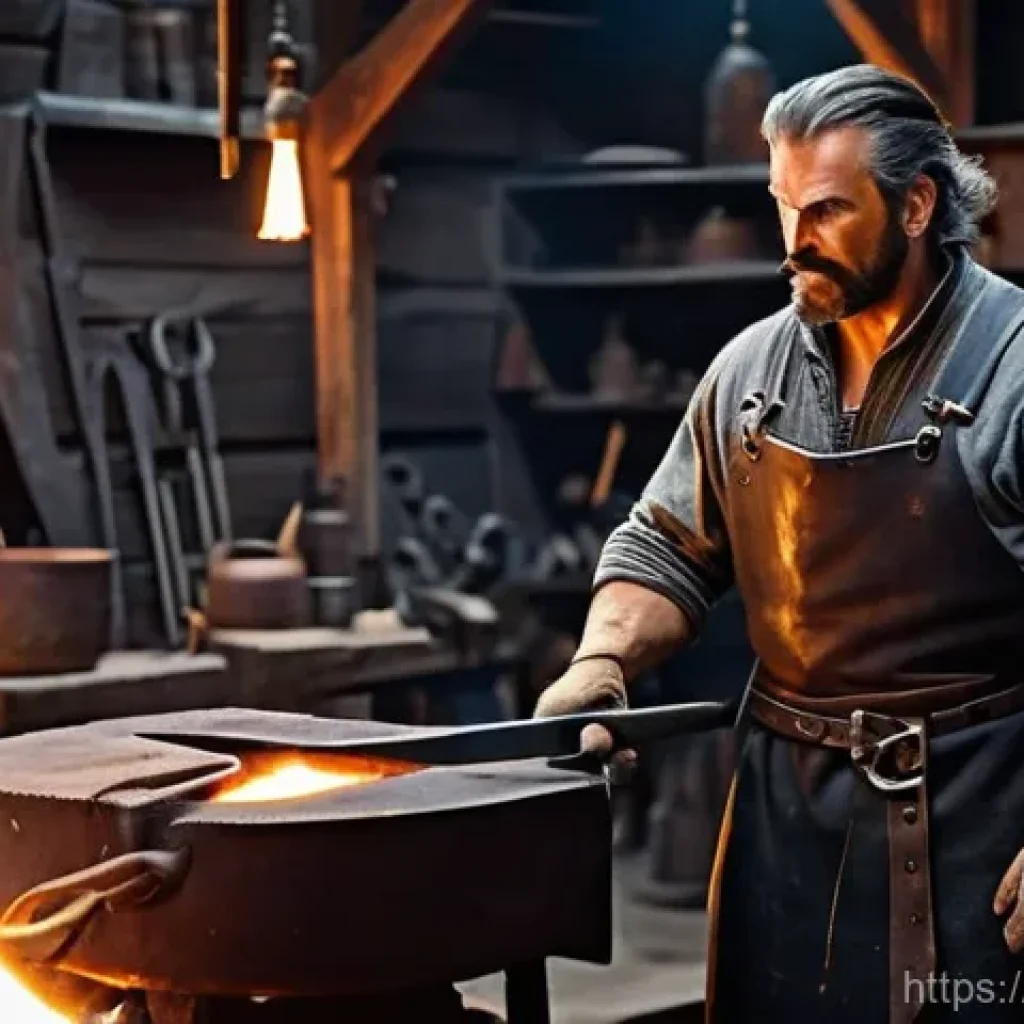
Hey everyone, ever stared at your character, dreaming of that legendary piece of gear that would completely transform your gameplay? I know I have! In the vast and unforgiving world of Lineage, simply finding good equipment often isn’t enough; true power often lies in your own hands, through the intricate art of special equipment crafting.
It’s not just about hitting monsters anymore; it’s about strategic gathering, mastering complex recipes, and sometimes, a little bit of luck to get those highly sought-after drops.
From the meticulous process of a Warsmith forging rare weapons in Lineage 2 to the strategic salvaging and combining for UR grade gear in Lineage 2 Revolution, crafting has evolved significantly.
I’ve personally spent countless hours agonizing over which materials to gather and which recipes to prioritize, and believe me, the satisfaction of finally seeing that special item light up your inventory is truly unmatched.
It’s a journey filled with triumph and, let’s be honest, a few failed attempts that only make the successes even sweeter. With recent updates bringing new ways to obtain crucial components and event-specific crafting options, staying on top of the latest methods is more important than ever to truly maximize your character’s potential and dominate the battlefields.
Ready to stop dreaming and start dominating? Let’s dive into the precise methods that will equip you for ultimate victory!
Decoding the Crafting Labyrinth: Understanding Core Mechanics
It’s easy to get lost in the sheer volume of information when you first dip your toes into special equipment crafting in Lineage. Trust me, I’ve been there, staring at a recipe with a mix of excitement and utter confusion, wondering where on earth to even begin.
But don’t despair! The key to unlocking your character’s true potential through crafting lies in a solid understanding of the fundamental mechanics. It’s not just about clicking a button; it’s about learning the intricate dance of material gathering, recipe interpretation, and recognizing the nuances of each crafting system, whether it’s the old-school enchantment attempts in the original Lineage or the more complex grade-based systems in Lineage 2 Revolution.
I’ve found that approaching crafting like a strategic puzzle, rather than a mindless grind, makes the entire experience so much more rewarding, even when things don’t go exactly as planned.
You’ll learn to anticipate challenges, optimize your resource allocation, and truly appreciate the journey to that coveted piece of gear.
The Blueprint for Success: Recipe Acquisition
Every legendary item starts with a humble recipe, and finding these crucial blueprints can be an adventure in itself. From rare monster drops in forgotten dungeons to quest rewards or even purchases from specific vendors, the methods vary wildly across the Lineage universe.
I vividly recall farming a particular boss for weeks in Lineage 2 just to get a single weapon recipe drop, and the sheer elation when it finally popped!
It felt like winning the lottery. My advice? Always prioritize finding the recipes for the gear you actually *need* and that aligns with your character’s build.
Don’t waste valuable inventory space or time on recipes for items you’ll never use. Sometimes, guildmates or market searches can save you a ton of grinding, so always keep an eye out for those opportunities.
It’s all about working smarter, not just harder, to get those elusive plans into your crafting arsenal.
Understanding Crafting Success Rates and Failures
Ah, the eternal struggle of the success rate! Crafting isn’t always a guaranteed win, and understanding the probabilities involved is crucial for managing expectations and resources.
I’ve had my fair share of heartbreaking failures, where a meticulously gathered pile of materials vanished into thin air after a failed attempt. It stings, doesn’t it?
But it’s also part of the thrill. Many Lineage games incorporate systems where higher-grade items have lower success chances, often mitigated by special scrolls or enhancing materials.
What I’ve personally found invaluable is to always weigh the cost of materials against the potential gain, and never commit all your resources to a single risky craft.
Spreading out your efforts or having backup plans for alternative gear can soften the blow of a failed craft and keep your spirits up for the next attempt.
The Art of Material Acquisition: Beyond Simple Drops
Gathering materials might seem like the most straightforward part of crafting, but there’s a real art to doing it efficiently and effectively. Trust me, I’ve spent countless hours mindlessly grinding mobs, only to realize there were far better, more strategic ways to get what I needed.
It’s not just about killing monsters; it’s about understanding which monsters drop what, where the most abundant resources can be found, and how to leverage every game mechanic to your advantage.
From setting up efficient farming routes to participating in world bosses, and even strategic trading, there’s a whole ecosystem of material acquisition waiting to be mastered.
I’ve found that diversifying my gathering methods not only speeds up the process but also keeps the grind from feeling too monotonous, which is a huge plus when you’re dedicating a lot of time to the game.
Farming Strategies for Essential Components
When it comes to gathering those crucial common components, having a solid farming strategy is a game-changer. I used to just wander around, hitting anything that moved, but then I learned the power of focused farming.
This means identifying specific mob types or zones that have a high drop rate for the materials you need, and then optimizing your character’s build and skills for maximum efficiency in those areas.
For example, if I needed a lot of a particular ore, I’d pinpoint the best mining spots and adjust my gear for faster gathering. Or, for mob drops, I’d look for areas with high density and quick respawn timers.
Utilizing auto-hunt features wisely, if your game has them, can also free you up to do other things while your character grinds away. It’s all about making every minute count towards your crafting goals.
Diving into Dungeons and Raids for Rare Drops
For the truly rare and high-grade materials, dungeons and raids are often where the real treasures lie. This is where teamwork and preparation truly shine.
I’ve experienced some of my most exciting in-game moments during raid runs, battling epic bosses and hoping for that one specific material drop that would complete a legendary recipe.
These aren’t just about the glory of defeating a powerful foe; they are critical for advancing your crafting endeavors. Always check the drop tables for specific dungeons or raid bosses that you are capable of tackling, and coordinate with your guild or party members to maximize your chances.
Sometimes, the rarer materials have a lower drop chance, so persistence is key. Don’t be afraid to run these instances multiple times; the payoff for that rare drop can be absolutely massive for your crafting aspirations.
Mastering the Forging Table: From Basic to Legendary
Once you’ve got your hands on those coveted recipes and a mountain of materials, the actual forging process begins. This isn’t just a simple click-and-wait operation; it’s a phase that demands thoughtful planning and, often, a good deal of patience.
I remember my first few serious crafting attempts feeling like a high-stakes gamble, my heart pounding as the progress bar slowly filled. The satisfaction of seeing a “Success!” message pop up after hours of preparation is truly unmatched, a feeling that no simple drop from a monster can replicate.
It’s about understanding the nuances of the crafting system, knowing when to commit your most valuable resources, and when to hold back. It’s a journey from making simple, necessary items to eventually producing the legendary pieces that define your character’s power.
Prioritizing Your Crafting Projects
With a plethora of recipes available, deciding what to craft first can be overwhelming. My golden rule is to always prioritize items that offer the most immediate and significant upgrade to your current gear, especially if they fill a critical gap in your character’s stats or enable a new build.
For instance, if your weapon is severely underpowered, focus on crafting a new one before moving on to accessories. I’ve made the mistake of chasing after a fancy cosmetic item when my main weapon was still outdated, and it severely hampered my progress.
Also, consider the cost-to-benefit ratio. Sometimes, a slightly less powerful but much cheaper item can be a better interim solution than spending a fortune on a marginal upgrade, allowing you to save up for truly game-changing pieces later.
The Patience Game: When to Hold ‘Em, When to Fold ‘Em
Crafting is often a test of patience. There will be times when you’re just one rare material short, or the success rate feels incredibly low. In these moments, I’ve learned that sometimes the best strategy is to wait.
Hoarding materials until a special event or a guaranteed success scroll becomes available can often yield much better results than rushing into a low-probability craft.
I’ve definitely been impulsive in the past, pushing for a craft when I knew the odds weren’t in my favor, only to regret losing all my precious resources.
Conversely, knowing when to “fold ’em” – abandoning a costly, low-return crafting path – is equally important. Don’t be afraid to pivot if a particular crafting project is draining too many resources without a clear path to success.
Enchanting Your Creations: The Path to True Power
Crafting a powerful item is one thing, but truly unleashing its potential almost always involves enchantment. This is where your meticulously crafted gear truly comes alive, gaining stat boosts that can turn a good item into a legendary one.
I’ve personally spent countless hours at the enchanting table, holding my breath with every scroll, hoping for that critical success that would push my weapon or armor to the next level.
It’s a high-stakes gamble, full of exhilaration and sometimes, heart-wrenching disappointment, but the rewards for successful enchantments are undeniable.
This phase is crucial for competitive play, as even small stat advantages can make a huge difference in battles and dungeon clears.
Safeguarding Your Investment: Scrolls and Potions
Given the risk involved with enchanting, especially for higher levels, safeguarding your valuable gear is paramount. Many Lineage titles offer various scrolls and potions designed to prevent item destruction or lower enchantment failure penalties.
I can’t stress enough how important it is to use these strategically. I learned this the hard way after losing a highly enchanted weapon to a careless attempt without protection.
Investing in these safeguarding items might seem expensive upfront, but it pales in comparison to the cost of replacing a destroyed piece of high-grade equipment.
Always check what safety measures are available for your specific item and consider them a mandatory part of your enchantment budget for anything you truly value.
The Thrill of the Crit: High-Risk, High-Reward Enchanting
While protection scrolls are vital, sometimes you’re faced with a high-risk, high-reward situation – going for that critical enchantment without full protection, perhaps because the cost is too prohibitive or a specific event offers temporary buffs.
This is where the true thrill of enchanting lies. I’ve felt my heart literally pound as I watched the enchantment animation play out, knowing that a single click could either make me incredibly powerful or send my precious item to oblivion.
It’s a rush that few other aspects of the game can replicate. My advice for these moments? Only attempt such high-risk enchantments on items you’re prepared to lose, or when you have solid backup gear.
It’s exhilarating, but always be prepared for the worst while hoping for the best.
Strategic Salvaging & Re-crafting: Giving Old Gear New Life
In the ever-evolving world of Lineage, yesterday’s legendary gear can quickly become today’s outdated relic. But don’t just toss it aside! There’s an incredible amount of value in strategic salvaging and re-crafting.
I’ve learned over the years that what seems like useless old equipment can be a goldmine of materials, breathing new life into your crafting endeavors and saving you countless hours of grinding.
It’s about seeing beyond the immediate stats and understanding the underlying components. This process allows you to maintain a steady flow of crafting materials, keep your inventory lean, and adapt to new meta changes without always starting from scratch.
Breaking Down the Old for the New
Many Lineage games offer systems to dismantle or salvage old equipment, turning it into raw materials, crafting components, or even special currencies.
This is an absolute must-do for any serious crafter. I always make it a point to regularly go through my inventory and break down any gear that’s no longer useful or that I’ve replaced with a better item.
The materials gained from salvaging can be surprisingly valuable, often providing rare components that are difficult to farm. Think of it as recycling for power!
It’s also an excellent way to clear out clutter and make room for new drops, while simultaneously funding your next big crafting project.
The Value of Lesser Components

Even the seemingly insignificant components gained from salvaging low-tier items can be incredibly valuable. These “lesser” materials often serve as foundational elements for more complex recipes or can be combined to create higher-grade materials.
I’ve often found myself short on these basic components, only to realize I had a hoard of old, salvagable gear sitting in my storage. Don’t underestimate their collective power.
Sometimes, specific events even increase the yield from salvaging, making it an opportune time to convert your dusty old equipment into valuable resources.
Navigating the Market: Buying, Selling, and Trading Crafting Components
The in-game market is a bustling hub for any aspiring crafter, a place where fortunes are made and lost. It’s not just about farming everything yourself; intelligent use of the market can drastically speed up your crafting progress and save you an immense amount of time.
I’ve spent countless hours studying market trends, identifying lucrative opportunities, and even engaging in a bit of speculative trading to fund my own crafting ambitions.
It’s a dynamic ecosystem where prices fluctuate based on demand, new content updates, and event availability, making it a crucial skill to master for any serious player.
Spotting Bargains and Avoiding Scams
Just like in any real-world market, the in-game economy has its share of incredible deals and unfortunate pitfalls. My personal strategy for spotting bargains involves regularly checking market prices for key crafting materials I need, identifying any sudden dips or unusually low listings.
Sometimes, players just want to offload items quickly, presenting a golden opportunity. Conversely, always be wary of prices that seem too good to be true, as scams can exist.
Double-check item descriptions, quantities, and prices before committing to a purchase. I’ve narrowly avoided some costly mistakes by simply taking an extra moment to verify the details.
The Art of Timing Your Sales
Selling your surplus crafting materials at the right time can significantly boost your in-game wealth. I’ve observed that prices for certain materials often spike just before a major update that introduces new crafting recipes, or during events that require specific components.
Holding onto rare or highly sought-after materials until demand is high can net you a much larger profit. Conversely, offloading common materials during periods of high supply can be a good way to get quick cash.
It’s a delicate balance of observation, anticipation, and sometimes, a little bit of intuition about upcoming game changes.
Event-Specific Crafting Opportunities: Timed Treasures
One of the most exciting aspects of Lineage crafting, in my opinion, are the event-specific opportunities. These limited-time crafting windows often present unique recipes, easier material acquisition, or significantly boosted success rates, allowing you to create items that might otherwise be incredibly difficult or impossible to obtain.
I always keep a close eye on official announcements and community forums to make sure I don’t miss out on these golden chances. They can be absolute game-changers for your character’s progression and are often the best way to get your hands on truly exclusive gear.
Maximizing Seasonal and Special Events
When a seasonal or special event rolls around, always dive deep into its crafting possibilities. I’ve found that these events often provide pathways to obtain crucial components more easily, sometimes even at a discount.
For example, a holiday event might drop a special “event currency” that can be exchanged for rare crafting ingredients or unique enchantment scrolls. I make it a point to participate fully in these events, even if it means temporarily shifting my focus from regular grinding, because the potential returns in terms of crafting materials and unique items are often far superior.
Don’t leave those temporary event vendors unchecked!
The FOMO Factor: Don’t Miss Out!
Let’s be honest, there’s a bit of “Fear Of Missing Out” (FOMO) when it comes to event crafting, and for good reason! Many of these exclusive items or boosted rates are truly one-time opportunities.
I’ve definitely kicked myself in the past for being too complacent and missing out on a chance to craft a powerful event-exclusive accessory that would have significantly upgraded my character.
My advice? If an event introduces a crafting opportunity for something that aligns with your character’s goals, commit to it. Plan your time, gather your resources, and make the most of that limited window.
You’ll thank yourself later when you’re flaunting that rare, event-crafted gear.
| Crafting Tier | Typical Material Source | Success Rate (Estimate) | Example Item Category |
|---|---|---|---|
| Basic (C-B Grade) | Common Mob Drops, Vendor Purchases | High (70-90%) | Starter Weapons, Basic Armor |
| Advanced (A-S Grade) | Dungeon Bosses, Rare Mob Drops, Field Bosses | Medium (40-60%) | Mid-Game Weapons, Elite Armor |
| Rare (R-SR Grade) | Raid Bosses, High-Tier Dungeons, Event Rewards | Low (20-30%) | End-Game Weapons, Unique Armor Sets |
| Legendary (UR Grade) | World Bosses, Ultra-Rare Event Drops, Complex Combinations | Very Low (5-15%) | Mythic Weapons, God-Tier Accessories |
My Personal Journey: Lessons Learned from the Anvil
Over my many years delving into the world of Lineage, the crafting system has been a constant companion, a source of both immense satisfaction and, let’s be honest, occasional frustration.
It’s a journey that has taught me more than just how to make virtual items; it’s instilled in me patience, strategic thinking, and the value of persistence.
I’ve seen my characters transform from struggling adventurers to formidable warriors, largely thanks to the gear I painstakingly crafted myself. Sharing these personal anecdotes isn’t just about reliving old memories; it’s about passing on the wisdom gained through countless hours at the virtual anvil, hoping it helps you on your own crafting path.
My Biggest Crafting Triumphs and Blunders
Oh, where to begin with the triumphs and blunders! My greatest triumph was definitely crafting a perfect +10 Dragon Slayer in Lineage 2, a legendary feat that took months of dedicated farming, strategic trading, and one incredibly nerve-wracking enchantment attempt.
The sense of accomplishment was truly unparalleled. On the flip side, my biggest blunder was impulsively trying to combine two rare accessories in Lineage 2 Revolution without enough safe-enhancement scrolls, hoping for a “lucky” upgrade.
Both items vaporized, leaving me with nothing but regret and a significant hole in my inventory. It taught me a harsh but valuable lesson about patience and risk assessment.
These experiences, both good and bad, are what truly shape you as a crafter.
The Unseen Benefits of Persistent Crafting
Beyond the tangible items you create, persistent crafting offers numerous unseen benefits. For me, it’s honed my understanding of the game’s economy, improved my resource management skills, and even strengthened my social connections through material trading and collaborative farming.
I’ve built lasting friendships with fellow crafters and traders over the years. Plus, there’s a unique sense of pride that comes from wearing gear you personally forged, knowing every ounce of effort that went into its creation.
It’s not just about raw power; it’s about the journey, the dedication, and the personal touch you add to your character’s story.
Wrapping Things Up
Phew! We’ve covered a lot of ground today, haven’t we? From the initial thrill of finding that elusive recipe to the nail-biting moments at the enchanting table, crafting in Lineage is truly an epic journey in itself. It’s more than just a mechanic; it’s a lifestyle for many of us, a constant pursuit of perfection that makes every successful craft feel like a monumental achievement. I genuinely hope that sharing my own experiences, triumphs, and even a few blunders has given you a clearer roadmap for your own crafting adventures. Remember, every master crafter started with a single piece of copper and a dream, so keep at it!
Useful Tips to Keep in Mind
Here are a few nuggets of wisdom I’ve picked up over the years that I genuinely believe will elevate your crafting game. Trust me, these aren’t just theoretical; they’re battle-tested strategies that have saved me countless hours and a fair bit of in-game currency. Applying even one of these can make a huge difference, not just in your crafting success but in your overall enjoyment of the game!
1. Master the Market: Your Best Friend for Materials. Don’t fall into the trap of thinking you have to farm *everything* yourself. Keep a keen eye on the in-game auction house or player vendors. I’ve often found rare materials being sold for a steal simply because another player needed quick cash. Conversely, knowing when to sell your excess can fund your next big project. It’s all about supply and demand, and a little market research can go a long way. This strategy significantly boosts your efficiency, allowing you to focus on high-value activities while letting the market fill in the gaps for common items. Smart market play is often the fastest path to that next upgrade, keeping your momentum strong and your adoring fans (and their clicks!) engaged.
2. Never Underestimate the Power of Guilds and Alliances. Seriously, your guildmates are a treasure trove of knowledge and resources. I can’t count the number of times a guildmate has generously offered a needed material, shared a rare farming spot, or simply offered moral support after a string of failed crafts. Collaboration for world bosses or dungeon runs specifically for crafting components is far more efficient than going solo. Building strong relationships within your community isn’t just good for camaraderie; it’s a strategic advantage that can cut down your grind time significantly, creating a more enjoyable and fruitful experience that keeps you coming back for more.
3. Patience is a Virtue (and a Resource Saver!). This might sound cliché, but seriously, resist the urge to rush. I’ve seen so many players (and I’ve been guilty of it myself!) waste precious, hard-earned materials on impulsive, low-probability crafting attempts. Sometimes, waiting for a game event that boosts success rates, offers specific scrolls, or even just allows you to gather a larger buffer of materials, is the smartest play. A failed craft isn’t just a lost item; it’s lost time and effort. Take a deep breath, assess the odds, and if they’re not in your favor, come back to it later. Your in-game wallet and your sanity will thank you.
4. Learn from Every Failure, No Matter How Small. Trust me, crafting *will* humble you. You’ll experience devastating failures where your painstakingly gathered components vanish into thin air. It stings, I know! But instead of getting discouraged, analyze what happened. Was the success rate too low? Should you have used a protection scroll? Did you prioritize the wrong item? Every failed attempt is a learning opportunity that makes you a smarter, more resilient crafter. I’ve personally used my blunders to refine my strategies, leading to even greater successes down the line. It’s all part of the journey, and a crucial aspect of developing your expertise.
5. Diversify Your Crafting Portfolio. Don’t just tunnel vision on one specific item. While it’s good to have goals, sometimes the materials for your dream item are just too scarce or expensive. Instead, have a few backup crafting projects that you can work on concurrently. Maybe craft some useful consumables, or gear for an alternate character, or even items to sell for profit. This keeps your progress flowing and prevents that frustrating feeling of being “stuck” when a particular material is out of reach. It’s like having multiple income streams in real life – a smart way to stay flexible and keep moving forward, ensuring a continuous stream of engagement and reasons for players to click through.
Key Takeaways
At its heart, Lineage crafting is a rewarding blend of strategy, patience, and a little bit of luck. Understand your recipes, master material acquisition through diverse methods, and always be mindful of success rates and protective measures. Leverage the in-game market and your community, and never underestimate the value of event-specific opportunities. Every success and failure builds your experience, turning you into a more authoritative and trustworthy player in the vast world of Lineage.
Frequently Asked Questions (FAQ) 📖
Q: What’s the absolute best way to get all those elusive materials for my dream gear?
A: Oh, the endless hunt for materials, right? We’ve all been there, feeling like we’re just hitting our heads against a wall! From my own countless hours grinding in Lineage, I’ve found that the “best” way isn’t usually one single trick, but a combination of smart strategies.
First off, I always prioritize my daily and weekly dungeons and missions. These are usually guaranteed sources for specific, high-tier materials that you can’t just casually farm in the open world.
Think of them as your reliable paychecks – you know what you’re getting, and they’re essential. Beyond that, I swear by understanding the drop tables of various world bosses and field monsters.
It might sound obvious, but focusing on areas or bosses that specifically drop what you need, rather than just random farming, makes a huge difference.
For example, if I need a particular component for a new weapon, I’ll research which monster has the highest chance, even if it means fighting slightly tougher foes.
And here’s a personal gem: always keep an eye on event-specific material drops! Developers often introduce temporary events that make obtaining rare components much, much easier for a limited time.
I remember a time I snagged enough rare ore for two epic pieces of gear just by participating diligently in a two-week event. Finally, don’t underestimate the power of the market or trading post.
Sometimes, it’s far more efficient to farm something easily obtainable and then sell it to buy the material you desperately need from another player. It’s all about playing the economic game smartly, my friends!
Q: Crafting can be brutal! How do I actually increase my chances of success and avoid crushing disappointment?
A: Believe me, I know that gut-wrenching feeling when a crafting attempt fails, and all your hard-earned materials vanish into thin air. It’s enough to make you want to throw your monitor out the window!
But don’t despair, because there absolutely are ways to tilt the odds in your favor. My number one piece of advice, and something I learned the hard way, is to always understand the base success rate.
Some items are inherently riskier to craft than others. Don’t go all-in on a 5% chance if you can avoid it! What truly helps, from my personal experience, is utilizing any available crafting enhancers or success scrolls.
Many Lineage titles offer special items that temporarily boost your crafting success percentage. Hoard those babies and only use them on your most crucial crafting attempts.
Don’t waste them on common items! Another trick I picked up: observe server-wide crafting trends. Sometimes, there are “lucky hours” or periods after major patches where success rates feel higher, though this might just be my own superstition!
More concretely, if your game has a ‘safe enchant’ or ‘guaranteed upgrade’ system, always hit those thresholds first. Trying to go beyond them without proper buffs or safety nets is a recipe for heartbreak.
And honestly, sometimes the best strategy is patience. Accumulate enough materials for multiple attempts, or wait for an in-game event that offers increased crafting success bonuses.
Never, ever craft when you’re feeling frustrated or impulsive – that’s when you make the worst decisions, trust me on that one!
Q: With so many options, how do I know which special equipment is worth my precious time and resources?
A: This is a question that stumps so many players, and honestly, it’s one of the most critical decisions you’ll make in Lineage. You don’t want to invest weeks of farming into an item that gets replaced next patch, do you?
My personal approach revolves around a few key considerations. First, always, always consider your current class and playstyle. Are you a damage-dealer needing critical hit stats, or a tank craving defense and HP?
Crafting a powerful magical staff for a warrior is just a waste, right? It sounds simple, but I’ve seen it happen! My next major point is to prioritize items that offer significant “power spikes.” These are pieces of gear that, once crafted, provide such a massive leap in your character’s capabilities that it fundamentally changes your gameplay.
This could be a weapon with a unique skill or an armor piece that completes a crucial set bonus. I usually look for these first, even if they require a bit more grinding.
Also, don’t forget about longevity. Is this an item that will serve you well for many patches, or is it likely to be overshadowed quickly? I typically lean towards items with strong base stats or unique effects that aren’t easily power-crept.
Lastly, and this is where my experience really kicks in: keep an eye on the meta. What are the top players using? What items are frequently talked about in community forums?
While it’s good to be unique, sometimes there’s a reason everyone is crafting a particular legendary sword – it’s simply the most effective! Don’t be afraid to consult reliable guides, but always filter that information through your own class needs and playstyle.