Hey there, fellow adventurers! If you’ve spent countless hours slaying monsters and meticulously crafting your gear in Lineage, you know just how precious those hard-earned items truly are.
We pour our time, effort, and sometimes even real money into building our characters, and snagging a shiny rare feels like hitting the jackpot. But let’s be honest – the thrill of acquiring that legendary weapon or a coveted accessory can sometimes make us overlook the potential pitfalls when it comes to trading.
I’ve personally seen friends, and even found myself, falling victim to clever scams or making rushed decisions that ended up costing a fortune in virtual gold, or worse, real cash.
It’s truly a wild west out there in the in-game economy, and navigating the nuances of item trading safely is absolutely crucial to protect your hard-earned progress and, let’s face it, your peace of mind.
Nobody wants to log in one day only to find their prized possession vanished into thin air because of a shady deal. So, how do we make sure our valuable inventory stays secure while still making those lucrative trades?
Let’s dive deep into the essential precautions you absolutely need to know to keep your Lineage trading experience safe and sound.
Scrutinizing Your Trading Counterpart’s Pedigree
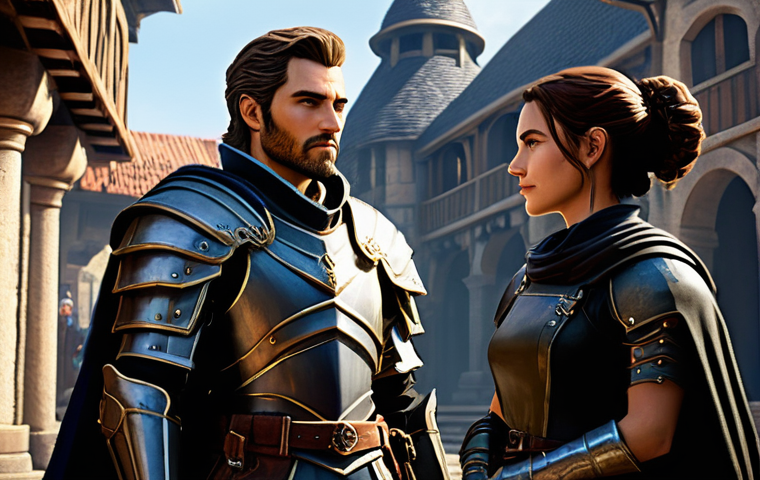
When you’re about to make a significant trade in Lineage, whether it’s for a coveted weapon, a rare armor piece, or a stack of Adena, the very first thing you absolutely *must* do is perform a thorough background check on the other player.
I know, it sounds a bit like an investigation, but trust me, it’s worth every second. I’ve personally been burned in the past by someone who seemed totally legit, only to discover their character was a freshly made alt, designed solely to pull off a quick scam.
It’s like checking the Yelp reviews before trying a new restaurant – you wouldn’t just blindly walk in, right? We’re talking about hours, days, sometimes even weeks of grinding that could disappear in an instant if you’re not careful.
Always take a moment to look at their character level, their equipment, and especially their guild. A high-level character with a well-known, reputable guild usually indicates someone who has invested a lot of time and effort into the game, making them less likely to risk their reputation over a petty scam.
On the flip side, a low-level character with generic gear, or worse, no guild at all, should immediately raise a red flag in your mind. I’ve had conversations where a potential trader just kept pushing for a quick deal, refusing to chat about their character’s history or why they were selling a particular item.
That’s a huge warning sign that they’re trying to rush you before you can wise up. Remember, real players who are part of the community tend to have a history, and they usually aren’t afraid to show it.
It’s all about building that initial layer of trust, and if it feels flimsy, it probably is.
Checking Guild Affiliations and Server History
A player’s guild isn’t just a social circle in Lineage; it’s often a public declaration of their standing and commitment to the game. If someone is part of a large, well-established guild, particularly one that’s been around for a while on your server, it adds a significant layer of accountability.
Guilds often have internal rules against scamming, and a member caught doing so can face severe repercussions, including expulsion. I always make it a point to check out their guild’s reputation if I don’t recognize it.
A quick search on the official forums or even asking in global chat can reveal a lot. Has this guild been involved in recent server disputes? Do they have a reputation for fair play or for shady dealings?
These are crucial pieces of information that can guide your decision. Conversely, if a player is guildless or belongs to a brand new, tiny guild with no history, you should approach the trade with extreme caution.
It’s not always a scam, of course, but it removes one of the key pillars of accountability that helps keep the Lineage community honest. I remember a time when I almost traded a very expensive piece of jewelry to a player from a guild I’d never heard of.
My gut told me to wait, and after a quick query in town, I found out their guild had a notorious reputation for organizing “friendly” duels that ended in item loss.
Dodged a bullet there!
The Lowdown on Public Trade Chats and Forums
Don’t underestimate the power of public opinion, even in a game like Lineage. Before a major trade, especially for those truly high-value items, I always spend a little time lurking in the server’s trade chat, relevant Discord channels, or even the official game forums.
Does the player you’re about to trade with have a history of posting trade offers? Are there any comments, positive or negative, associated with their character name or account?
Sometimes, you’ll stumble upon other players warning about specific scammers, or praising trustworthy traders. It’s like an unofficial community review system.
I’ve found incredible deals through these channels, but more importantly, I’ve avoided potential pitfalls by seeing red flags raised by others. If a player is constantly spamming trade chat with identical offers, or if their posts seem overly aggressive or rushed, it might be a sign of desperation – or worse, an attempt to quickly offload illicitly obtained items.
A genuine trader usually engages respectfully and is willing to answer questions about their items. My advice? Don’t be shy about asking around.
Your fellow players are a fantastic resource for vetting potential trade partners, and often, their shared experiences can save you from a major headache.
Mastering the Official Trade Mechanisms
Look, I get it. Sometimes a quick direct trade feels more convenient, but when we’re talking about high-value items in Lineage, sticking to the official, built-in trading systems is almost always your safest bet.
The game developers put these features in place for a reason – to protect us, the players, from the very scams we’re trying to avoid. I’ve seen countless tales of woe, and have even narrowly avoided one myself, where a player tried to convince me to drop an item on the ground for them to pick up, or use a “trusted” third-party website that promised instant transfers.
Never, ever fall for that. These methods bypass the game’s security protocols and leave you completely vulnerable. The official auction house and the direct trade window might seem a bit clunky at times, but their primary function is to ensure that items and currency are exchanged simultaneously and without any ambiguity.
There’s a clear transaction log, and the game itself acts as the impartial middleman, guaranteeing that if you send the gold, you get the item, and vice-versa.
Think of it as a secured bank transfer versus just handing over cash in a dark alley. Which one makes you feel more secure? Exactly.
Taking that extra minute to utilize these systems can be the difference between a successful, stress-free trade and logging off in a fit of rage after realizing you’ve been duped.
It’s not just about avoiding scams; it’s about having peace of mind that your hard-earned wealth and items are genuinely protected.
Leveraging the Auction House for Peace of Mind
For many high-value items, the in-game Auction House is your absolute best friend. Seriously, I can’t stress this enough. It removes almost all the risks associated with direct player-to-player trades.
When you list an item on the Auction House, you set your price, and the game handles the rest. Buyers can browse, bid, or buy out instantly, and the transaction is fully automated and secure.
There’s no face-to-face interaction, no chat negotiations, no room for trickery like item swapping or numerical misrepresentation. The system shows exactly what’s for sale, for how much, and once the purchase is made, the gold is transferred to your mailbox, and the item to the buyer’s.
It’s transparent, efficient, and, most importantly, incredibly safe. I’ve sold countless rare items this way, and while there’s a small transaction fee, it’s a tiny price to pay for the absolute certainty that your items will sell and you will receive your funds.
When you’re buying, it’s equally secure. You see the item, you see the price, and if you choose to buy, it’s instantly yours. No fumbling around in a trade window, no worries about the seller pulling the item at the last second.
It’s the most professional way to conduct business in Lineage, and in my experience, it often yields better prices too, as it exposes your items to a wider audience.
The Safety Net of Direct Trade Windows
While the Auction House is great, sometimes you need to do a direct trade, especially for items that can’t be listed or for specific, pre-arranged deals.
This is where the direct trade window becomes crucial. However, it’s also where many scams occur if you’re not paying close attention. My number one rule here is: *slow down*.
Don’t let anyone rush you. Before you hit that “confirm” button, scrutinize every detail. Double-check the item name, its enchant level, its stats, and the amount of Adena or the other item being exchanged.
I’ve personally seen a scam where a rare +9 sword was swapped for an identical looking, but common, un-enchanted version right before the trade was confirmed.
The visual similarity was astounding, and in a rush, it would have been easy to miss. Always confirm the trade twice, making sure both parties have the correct items/gold in their respective slots.
If anything seems off, even slightly, cancel the trade and re-initiate it. Don’t be afraid to speak up and ask your trade partner to do the same. Any resistance to this thorough checking process is a giant red flag.
Remember, once that trade is confirmed, there’s no going back. The game typically doesn’t reverse trades unless there’s an undisputed technical glitch, which is rare.
So, your diligence in this small window is paramount.
Unmasking Common Scam Tactics and Red Flags
The world of Lineage trading, much like any bustling marketplace, unfortunately attracts its fair share of tricksters. These scammers often operate with a playbook of familiar tactics, and recognizing them is your first and best line of defense.
I’ve learned, sometimes the hard way, that if a deal seems too good to be true, it almost always is. It’s like finding a brand new sports car for the price of a used bicycle – your alarm bells should be ringing off the hook!
Scammers thrive on urgency, confusion, and our natural desire for a good deal. They prey on players who are either new to the game, distracted, or simply too trusting.
Understanding their methods isn’t just about protecting your inventory; it’s about developing a keen sense of skepticism that serves you well in any online interaction.
I’ve had players whisper me outlandish offers for common items, clearly attempting to manipulate me into a quick, unfavorable trade. Or those who try to pressure you with “limited time” deals that vanish if you don’t act immediately.
These are classic psychological tricks designed to bypass your rational thought process. Always remember, a legitimate trader won’t rush you, won’t try to confuse you, and won’t offer something that defies market logic.
Stay sharp, question everything, and don’t let the allure of a rare item blind you to obvious deceit.
The Deceptive Bait-and-Switch
This is one of the oldest tricks in the book, and it’s surprisingly effective if you’re not paying close attention. The scammer will initiate a trade with the correct, highly desired item – let’s say a rare +8 weapon.
You verify it, you put your gold in, and then, at the very last second, before confirming, they quickly swap out the valuable item for a similar-looking, but far less valuable, item – perhaps an un-enchanted version, or a common tier of the same weapon.
Because you’ve already verified the first item and you’re ready to click, it’s incredibly easy to miss this subtle change, especially if they do it quickly.
I almost fell for this with an A-grade armor piece once; the scammer replaced a +7 helmet with an identical looking +0 version just as I was about to hit confirm.
My friend, who was watching, thankfully caught it. The key here, as I mentioned before, is to slow down. After your trade partner puts their item in, and *especially* after you’ve put your gold in, take another full, deep breath, and re-verify their item before confirming.
Look at the enchant level, the name, and the stats one more time. Don’t be embarrassed to take your time; it’s your virtual wealth on the line!
Navigating the Treacherous “Middleman” Scam
The “middleman” scam is particularly insidious because it often preys on players trying to complete complex trades or those wary of direct trading themselves.
The scammer poses as a trusted third party, offering to mediate a trade between two other players (or between themselves and you, with a fake “other player”).
They’ll claim to hold both items/gold and release them once both parties are satisfied. Of course, once you hand over your item or gold to this “middleman,” they simply log off with your valuables.
I’ve seen variations where the scammer creates two alt characters, pretending to be buyer and seller, with the main scammer character acting as the middleman.
They build a convincing charade, making both parties believe the other is legitimate, only to disappear with the goods. The golden rule here is simple: never, ever use an unverified third party for trades.
If you absolutely need a middleman for a very large, multi-stage trade, only use well-known, officially sanctioned services (if any exist in Lineage) or someone with an *irrefutable*, long-standing, and public reputation on your server, preferably someone vouched for by a large, trustworthy guild.
Even then, proceed with extreme caution. Your best bet? Stick to the game’s built-in systems; they are designed to be your trusted middleman.
| Scam Tactic | Description | How to Avoid |
|---|---|---|
| Bait-and-Switch | Trader offers a valuable item, then quickly swaps it for a lesser version just before confirmation. | Always re-verify the item’s details (name, enchant, stats) right before clicking “confirm.” Don’t rush. |
| Middleman Fraud | A “trusted” third party offers to hold items/gold for a trade, then disappears with them. | Never use unverified third parties. Stick to in-game trade windows or official auction houses. |
| Fake Auction House/Website | Scammer directs you to a fake website or prompts you to drop items, claiming it’s a “secure” method. | Only use the official in-game Auction House. Never leave the game for trades, and never drop items. |
| Impersonation | Scammer pretends to be a friend, guild leader, or GM to request items or account info. | Verify identity through secure channels (e.g., guild Discord), never share account details. GMs will never ask for your password. |
| Overpayment/Reversed Payment | Offers to pay more than requested, then asks for a refund, or attempts chargebacks after receiving items. | Only accept the exact agreed-upon amount. Avoid complex real-money trades unless through highly reputable, official channels. |
Fortifying Your Account Beyond Trading
While we talk a lot about the direct act of trading, it’s absolutely critical to remember that your overall account security is the bedrock upon which all your safe trading practices stand.
What’s the point of being a super-savvy trader if your entire account can be compromised through a weak password or a phishing attack? I’ve seen some truly heartbreaking stories of players who were meticulous in their trading, only to lose everything because their account was hacked.
It’s like locking your car doors but leaving the windows wide open! Our Lineage characters represent a huge investment of time, effort, and often, emotional attachment.
Losing all that because you neglected basic security measures is a gut-wrenching experience that no player should ever have to endure. This isn’t just about digital hygiene; it’s about protecting your virtual lifeblood.
Every precaution you take, from your password strength to how you handle suspicious links, adds another layer of defense around your hard-earned progress.
Think of it as putting on multiple layers of armor before heading into a dangerous dungeon. You wouldn’t go in with just a loincloth, so why would you leave your account vulnerable?
Take these steps seriously; they are just as, if not more, important than any in-game trade verification.
Two-Factor Authentication: Your First Line of Defense
If your game, or the platform it’s on, offers Two-Factor Authentication (2FA), enable it immediately. Seriously, stop reading this and go do it right now if you haven’t already!
This is, hands down, the single most effective security measure you can take to protect your account. Even if a scammer somehow manages to get your username and password, they won’t be able to log in without that second piece of information – typically a code generated by an app on your phone or sent via SMS.
I remember feeling a bit annoyed by the extra step when I first set it up, but after hearing about so many friends getting hacked, I realized it was a small price to pay for impenetrable security.
It’s like having a second, secret key that only you possess. Without it, even the most cunning thief is locked out. Most modern games and launchers offer this, and it works wonders.
It protects you from phishing scams, keyloggers, and even brute-force attacks. There’s no excuse not to use it, and the peace of mind it offers is truly invaluable.
Don’t wait until it’s too late and your prized gear is gone; proactive security is always the best security.
Regular Password Updates and Device Security

Beyond 2FA, the basics still matter immensely. When was the last time you changed your Lineage password? If you have to think about it, it’s probably been too long.
Using a unique, strong password for your game account, one that you don’t use for any other service, is absolutely non-negotiable. And changing it regularly, every few months, is a habit I’ve personally adopted and recommend to everyone.
Avoid easily guessable passwords like “123456” or your character’s name. Mix in uppercase, lowercase, numbers, and symbols. Secondly, keep your own devices secure.
Ensure your operating system and antivirus software are always up to date. Malicious software like keyloggers can steal your login credentials without you even realizing it.
Avoid clicking on suspicious links, especially those promising free Adena or rare items, as these are often phishing attempts designed to steal your account information.
I once clicked a seemingly innocent link in an email that purported to be from the game developer, only to realize later it was trying to install something shady.
Thankfully, my antivirus caught it. Be vigilant about what you download and click, both inside and outside the game. Your digital hygiene directly impacts your in-game security.
The Prudence of Patience and Thorough Due Diligence
In the fast-paced, often chaotic world of Lineage, it’s incredibly easy to get swept up in the moment, especially when a coveted item finally appears on the market or a tempting trade offer lands in your whispers.
But from my years of experience navigating these treacherous waters, I’ve learned that patience and a healthy dose of due diligence are your most powerful allies.
Rushing into a trade, driven by excitement or fear of missing out, is precisely how scammers catch you off guard. It’s like being at a flea market – the best deals often require a bit of haggling and a careful inspection of the goods, not a frantic grab-and-go.
I’ve seen countless players, myself included in my early days, jump on what seemed like an incredible bargain, only to realize later they either overpaid significantly or, worse, received a fraudulent item.
The Lineage economy is dynamic, and understanding its ebb and flow is crucial. Don’t let perceived urgency dictate your decisions. A truly good deal will often still be there after you’ve taken a moment to think, research, and verify.
If someone is pressuring you to complete a trade “right now or it’s gone,” consider that a massive red flag. Real opportunities often present themselves, but rushing blinds you to potential pitfalls.
Don’t Rush into Deals
This might sound simple, but it’s probably the hardest rule to follow when you’re hyped about a potential trade. Scammers excel at creating a sense of urgency, trying to make you believe that if you don’t act *now*, you’ll miss out forever.
They’ll use phrases like, “I’m only online for five more minutes,” or “Someone else is about to buy it.” This tactic is designed to short-circuit your critical thinking.
They want you to panic-buy or panic-trade without thoroughly inspecting the item or the person you’re dealing with. I remember once eyeing a legendary weapon that was listed for a slightly below-market price.
The seller was aggressively messaging me, saying he had to log off for work and this was my “last chance.” My finger was hovering over the confirm button, but then I took a deep breath.
I decided to wait. And guess what? He was still online an hour later, still pushing the “last chance” narrative.
I ended up finding a better deal from a more reputable seller later that day. Always, always take your time. If the deal is legitimate, it can wait an extra minute or two for you to verify everything.
If it can’t, then it’s probably not worth it.
Researching Item Values and Market Trends
Before you even think about trading, you absolutely need to have a solid understanding of item values. This isn’t just about knowing what an item *should* sell for, but also understanding current market trends.
Is the item you’re interested in becoming more common, or is it getting rarer? Has a new update affected its utility or demand? I personally spend a fair bit of time browsing the Auction House, checking trade forums, and even asking trusted guildmates about current prices for high-end gear.
This research arms you with knowledge, making it much harder for scammers to trick you with inflated prices for common items or ridiculously low prices for rare ones (which often signal a scam).
If someone is offering you a “great deal” on an item, but your research tells you it’s actually overpriced, you can confidently walk away. Conversely, if you’re selling, knowing the market value ensures you get a fair price for your hard-earned loot.
Don’t rely solely on what a seller or buyer tells you; do your own homework. The Lineage economy fluctuates, and staying informed is key to making profitable and safe trades.
Recognizing When to Disengage: Trusting Your Instincts
After years of playing Lineage and navigating its often-unforgiving economy, one of the most valuable lessons I’ve learned isn’t found in any game guide or forum post.
It’s the ability to trust your gut feeling and know when to simply walk away from a deal. We all have that little voice in our heads, that subtle prickle of unease when something just doesn’t feel right.
And more often than not, that feeling is your subconscious picking up on red flags that your conscious mind might be too excited or distracted to register.
I’ve been in situations where a trade partner’s demeanor, their overly aggressive tone, or their insistence on a specific, convoluted trading method just set off internal alarms.
Even if I couldn’t pinpoint exactly *why* it felt wrong, I’ve learned to listen to that instinct. Every time I’ve ignored it, I’ve regretted it. Walking away isn’t a sign of weakness; it’s a sign of wisdom.
It means you prioritize your security and peace of mind over the potential, often illusory, gain of a risky trade. Don’t ever feel pressured to complete a transaction if a part of you is screaming “no!” There will always be other items, other trades, and other opportunities.
Your peace of mind and the security of your hard-earned inventory are far more valuable than any single item.
Recognizing Pressure Tactics
Scammers and opportunistic traders often employ psychological pressure tactics to rush you into a decision. As I mentioned, the “limited time offer” is a classic.
But it can also manifest as aggressive language, insults, or even attempts to make you feel guilty for questioning their legitimacy. “Are you calling me a scammer?” they might say, trying to deflect your suspicions.
Or, “I’m doing *you* a favor with this price, don’t waste my time.” These are all designed to make you feel uncomfortable, to erode your confidence, and to make you click that “confirm” button without thinking.
I once had a trader demand I move to a specific, secluded spot in the game world, claiming it was for “privacy” but it felt incredibly isolating and sketchy.
I refused, insisting we stay in a public area, and they immediately backed out of the deal. That was a huge validation of my instincts. If anyone is trying to control the terms of the trade in an unusual way, make you feel bad, or hurry you along, hit the brakes.
These are textbook manipulation techniques, and your best response is to disengage immediately. Your money and items are yours to control, not theirs.
The Value of Peace of Mind
Ultimately, safe trading in Lineage isn’t just about avoiding scams and protecting your virtual wealth; it’s about preserving your enjoyment of the game.
Constantly being on edge, worrying about every trade, and second-guessing every interaction can quickly drain the fun out of your gaming experience. My friends and I often joke about “trade anxiety,” but it’s a real thing.
By diligently following these safety precautions, being patient, and trusting your instincts, you build a foundation of confidence that allows you to trade without undue stress.
The goal isn’t just to accumulate rare items; it’s to enjoy the journey, the camaraderie, and the satisfaction of building your character safely. When you know you’ve taken every reasonable step to protect yourself, you can engage in trades with a clear head, knowing you’ve minimized the risks.
This peace of mind allows you to focus on the truly fun aspects of Lineage – the epic battles, the challenging quests, and the shared adventures with your guildmates.
So, trade smart, stay vigilant, and most importantly, keep enjoying the incredible world of Lineage!
Wrapping Up
So, there you have it, fellow adventurers! Navigating the bustling markets of Lineage doesn’t have to be a minefield of potential scams. By staying vigilant, doing your homework, and most importantly, listening to that little voice in your head, you can protect your hard-earned treasures and enjoy the game to its fullest.
I’ve personally found that the peace of mind gained from secure trading far outweighs the fleeting thrill of a risky “bargain.” Keep these tips close, and may your trades always be prosperous and, above all, safe!
Handy Info You Should Know
Always enable Two-Factor Authentication (2FA) on your game account and any associated platforms. It’s truly your strongest shield against unauthorized access.
Regularly update your passwords, using unique and complex combinations for each account, and never reuse them across different services. Think of them as individual keys to different vaults.
Don’t click on suspicious links or download unsolicited files, especially those promising free in-game currency or items. These are classic phishing attempts designed to steal your information.
Research market values for items before trading. Knowledge is power, and understanding the true worth of an item protects you from both overpaying and selling too cheap.
Trust your instincts. If a deal feels off, or if someone is pressuring you, it’s always better to walk away. There will always be other opportunities, but your security is paramount.
Key Takeaways
In essence, successful and safe trading in Lineage boils down to a few core principles: always scrutinize your trade partner’s background, stick to the game’s official trading mechanisms, be hyper-aware of common scam tactics like bait-and-switch or middleman fraud, and crucially, fortify your account with robust security measures like 2FA.
Combine this vigilance with patience and the wisdom to trust your instincts, and you’ll navigate the Lineage economy like a seasoned veteran, ensuring your virtual adventures remain rewarding and worry-free.
Frequently Asked Questions (FAQ) 📖
Q: What are the most common scams I should watch out for when trading items in Lineage?
A: Oh, believe me, I’ve seen them all, and it’s a real jungle out there! One of the oldest tricks in the book is the “item swap” or “trade window switch.” This is where a scammer will initially put the correct item or amount of Adena in the trade window, making you think everything is legit.
But at the very last second, before you hit confirm, they’ll quickly switch out the valuable item for a junk item or drastically reduce the currency. It’s so easy to miss if you’re not paying super close attention, especially when you’re excited about a big trade.
I’ve heard countless stories, and almost fell for it myself once, where someone quickly swapped a rare scroll for a common one. Another sneaky one involves “private stores” with misleading messages, like a “buy” store advertised as “I quit, free items,” but it’s actually set up to buy your items for 1 Adena instead of selling you anything.
So you end up selling your own items for peanuts! Always, and I mean always, double-check everything in the trade window before you click that final confirmation button.
Seriously, hover over the items, check the quantity, check the price – take your time. If they’re rushing you, that’s a huge red flag!
Q: Beyond in-game scams, how can I protect my Lineage account from being hacked when I’m involved in trading, especially if it involves third-party sites?
A: This is a massive one, and frankly, it keeps me up at night knowing how easily someone’s hard work can be stolen. My absolute top advice is to never, ever share your account information.
I know it sounds obvious, but trust me, scammers can be incredibly convincing. They might pretend to be a GM, a trusted clan member, or even a “middleman” who needs your login to “facilitate” a trade.
If anyone asks for your password, your security codes, or any other login details, it’s a scam, no exceptions. I’ve heard of friends losing their entire accounts because they trusted someone within their own clan with their login details.
Secondly, when dealing with third-party sites for buying or selling, which I generally advise against unless absolutely necessary and only with extremely reputable platforms, you must use strong, unique passwords for every single account.
Don’t reuse passwords across your Lineage account, email, or any trading sites. Seriously, get a password manager if you don’t have one! Also, enable Two-Factor Authentication (2FA) wherever possible.
While SMS 2FA can be vulnerable to SIM-swap attacks, an authenticator app (like Google Authenticator) is a much stronger layer of defense. Think of your account security like protecting your real-life bank account; you wouldn’t just hand over your debit card and PIN, right?
The same vigilance applies here.
Q: What’s the safest way to conduct a high-value trade in Lineage to minimize risk?
A: For those really big, high-value trades – we’re talking about those epic weapons or rare enchant scrolls – you absolutely cannot be too careful. My go-to strategy, and one I preach to everyone, is to stick to the official in-game marketplace or secure trading systems whenever possible.
These systems are designed with built-in protections and escrow services that largely prevent direct player-to-player scams like item swaps. Lineage 2M, for example, uses a “Trade Market” where all items can only be bought and sold through their system using Diamonds, which adds a layer of security.
If you absolutely must trade directly with another player outside of these systems, especially in older versions of Lineage or specific scenarios, consider using a trusted middleman.
This is someone universally respected within the community or a service specifically designed for secure transactions. Make sure they have an impeccable reputation and are known for their neutrality.
Also, as a personal rule, I always record every transaction, especially high-value ones. Screenshots of chat logs where the terms are agreed upon, and screen recordings of the actual trade window before and during the confirmation process, can be invaluable if something goes wrong.
It’s a bit of extra effort, but that peace of mind? Priceless.
📚 References
Wikipedia Encyclopedia
구글 검색 결과
구글 검색 결과
구글 검색 결과
구글 검색 결과
구글 검색 결과