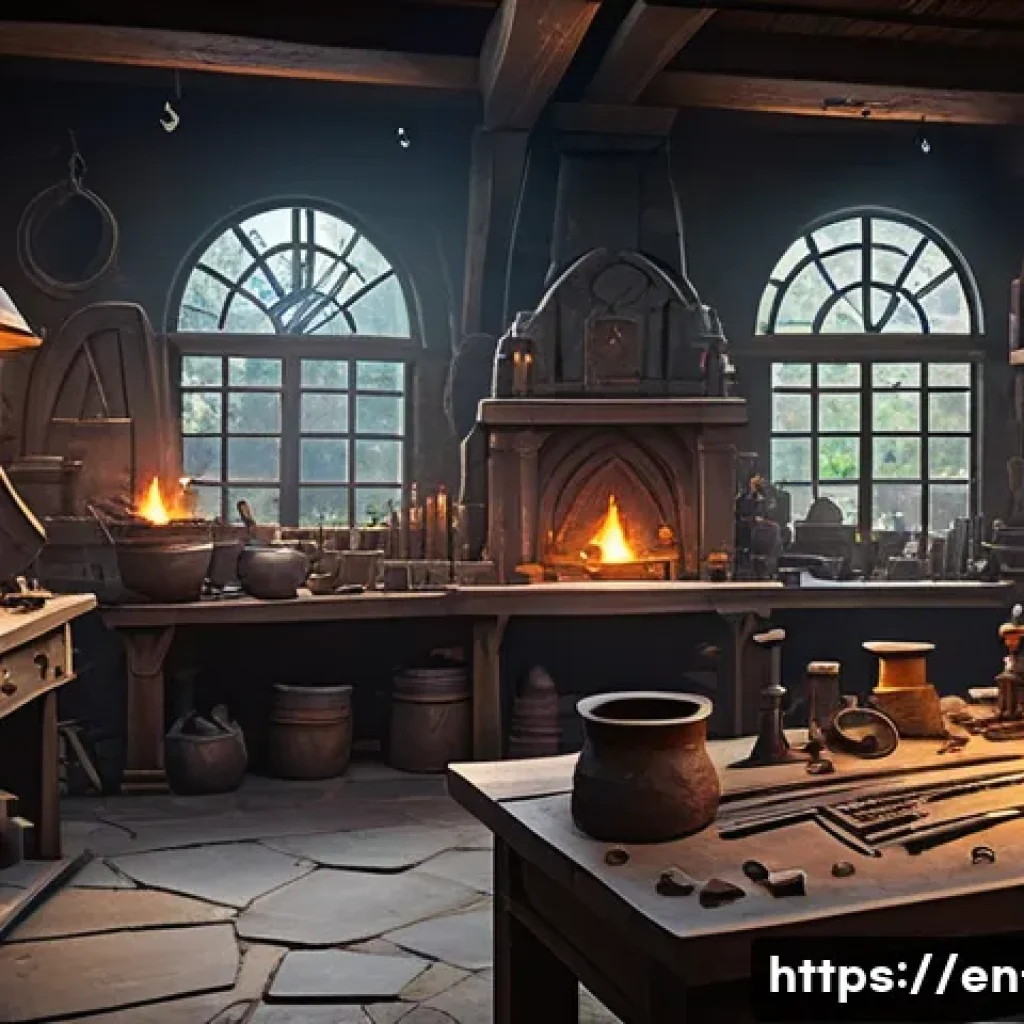
Crafting your own weapons in Lineage opens up a whole new level of gameplay, blending strategy with creativity. Whether you’re aiming to enhance your combat skills or build rare gear, understanding the basics of weapon crafting is essential.

It’s not just about gathering materials; it’s about timing, patience, and knowing the right combinations to maximize your weapon’s potential. Many players overlook key steps that can make or break their crafting success.
If you want to dive deeper into how to master this system and boost your in-game power, let’s explore the details together! I’ll guide you through everything you need to know.
Understanding Material Selection and Its Impact on Weapon Quality
Choosing the Right Base Components
Picking the right base materials for your weapon crafting is a critical step that many players underestimate. From ores to wood types, each base component influences the weapon’s durability, attack speed, and elemental affinity.
For example, using refined steel versus regular iron can drastically affect the final damage output. When I started experimenting, I noticed that even slight upgrades in material quality translated to significant improvements in combat scenarios.
It’s worth investing time in gathering rare components because the weapon’s performance is locked into these choices from the start.
Incorporating Enhancements and Runes
Once the base is selected, the next step is integrating enhancements such as runes or special gems. These add-ons can boost critical hit rates, elemental damage, or even provide unique effects like life steal or mana regeneration.
However, the timing of applying these enhancements matters. Applying them too early can result in wasted resources if the weapon fails during crafting, while waiting too long can limit the weapon’s potential synergy.
In my experience, balancing risk and reward here is where the real crafting mastery shines through.
Material Rarity vs. Accessibility
Balancing rare materials with more accessible ones can save you from excessive farming without compromising weapon quality. Some players rush for the rarest materials, but I found that combining mid-tier components with a few rare inserts often produces weapons nearly as powerful but at a fraction of the time investment.
This strategic approach helps maintain steady crafting progress and keeps gameplay enjoyable instead of grinding endlessly.
Mastering Crafting Timing and Success Rate Optimization
Timing Your Crafting Attempts
Crafting in Lineage isn’t just about throwing materials together—it’s about knowing when to craft. The system often has hidden timers or buffs that increase success rates at specific moments, sometimes tied to server events or in-game time cycles.
I learned to monitor these timings closely, aligning my crafting sessions with peak success windows to maximize output. This tactic reduced my failed attempts drastically and saved valuable resources.
Utilizing Buffs and Consumables for Crafting
Buffs and consumables that enhance crafting success rates are game-changers. These items, often overlooked by beginners, can increase your chances by up to 20% or more depending on their tier.
Personally, I always stack these buffs before crafting high-level weapons. Not only does it protect my investment, but the increased success rate also boosts confidence and reduces the frustration of potential failure.
Understanding the Failure Consequences
Not every crafting attempt will succeed, and understanding what you lose upon failure is crucial. Some weapons may degrade or consume all materials, while others might allow partial recovery.
Knowing this helps tailor your crafting strategy—sometimes opting for safer, incremental upgrades over risky full upgrades. When I faced a series of failures early on, I switched to safer crafting methods, which preserved my resources and gradually built my weapon strength without setbacks.
Decoding Crafting Recipes and Combination Strategies
Recipe Discovery and Experimentation
Lineage’s crafting system rewards experimentation. While many recipes are documented, some hidden combinations unlock powerful weapons or unique effects.
I often mixed unexpected materials just to see the outcome, which sometimes led to surprisingly effective weapons. This trial-and-error approach, combined with community tips, helped me discover new crafting paths that others overlooked.
Leveraging Synergy Between Components
Certain materials don’t just add stats—they interact with each other to create synergy bonuses. For instance, combining elemental stones with matching base materials can amplify elemental damage far beyond individual contributions.
I found that planning my material combinations based on these synergies resulted in weapons that outperformed standard builds, giving me an edge in both PvP and PvE battles.
Tracking and Managing Your Recipe Inventory
Keeping a detailed log of successful and failed recipes is a simple but effective habit. I maintain a spreadsheet tracking material ratios, success rates, and resulting weapon stats.
This record helps avoid repeating costly mistakes and refines my crafting approach over time. If you’re serious about weapon crafting, this level of organization will pay off with consistent improvements.
Optimizing Crafting Tools and Workshop Setup
Selecting the Right Crafting Tools
Not all crafting tools are created equal. Higher-tier anvils, hammers, or workbenches can significantly increase your success rates or reduce material consumption.
When I upgraded my crafting station, I noticed smoother crafting processes and fewer failures. Investing in quality tools early on can save both time and resources in the long run.
Workshop Location and Its Advantages
The location of your crafting workshop affects access to materials, buffs, and even crafting success rates. Certain zones provide environmental bonuses or are closer to resource-rich areas.
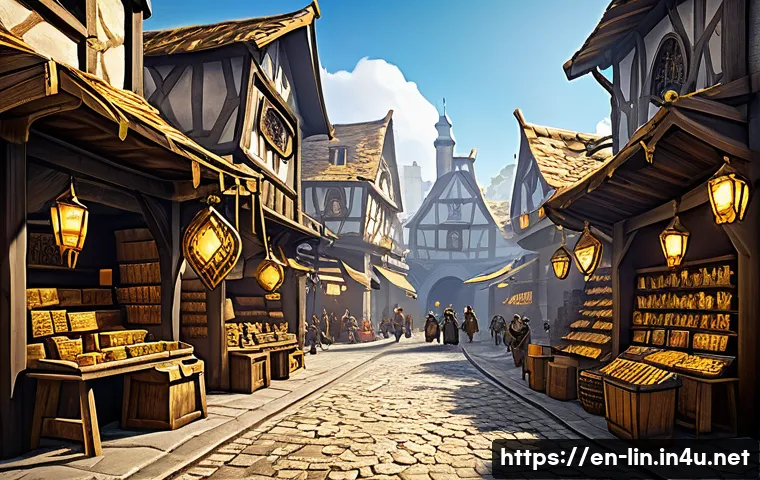
I set up my workshop near a popular mining zone, which made material gathering faster and allowed me to craft and test weapons without long travel times.
This logistical advantage streamlined my entire crafting workflow.
Maintaining Your Tools for Maximum Efficiency
Regular maintenance of your crafting tools prevents degradation and ensures consistent performance. Neglecting tool upkeep can lead to increased failure rates or longer crafting times.
I make it a routine to repair and upgrade my tools whenever possible, which keeps the crafting experience smooth and frustration-free.
Advanced Weapon Customization and Enchantment Techniques
Applying Enchantments for Custom Effects
Enchantments add a layer of customization that can turn an ordinary weapon into a game-changer. From elemental damage boosts to special effects like freezing or burning, choosing the right enchantments depends on your playstyle.
I experimented with different enchantments on the same weapon base to see which fit my combat strategy best, and the results were impressive—each change noticeably affected battle outcomes.
Combining Multiple Enchantments Safely
Stacking enchantments can yield powerful results but also increases the risk of weapon degradation or failure. I learned to apply them incrementally and use protective scrolls to safeguard my weapons.
This cautious approach allowed me to maximize the weapon’s power without losing progress to a single misstep.
Reforging and Rebalancing Weapon Stats
Reforging lets you redistribute your weapon’s stats after crafting, which can be vital for adapting to different game modes or enemy types. I often reforge weapons to optimize for either PvP or PvE situations, tweaking attributes like attack speed or critical chance accordingly.
This flexibility keeps my arsenal versatile and effective across various challenges.
Comparing Crafting Costs and Efficiency: A Quick Reference
| Material Type | Average Market Cost (Gold) | Success Rate Impact | Common Use |
|---|---|---|---|
| Iron Ore | 500 | Low | Basic Weapon Base |
| Refined Steel | 2,000 | Medium | Improved Weapon Base |
| Elemental Stones | 5,000 | High | Elemental Damage Boost |
| Runes | 8,000 | Very High | Special Effects |
| Crafting Buff Potions | 3,000 | +15-20% | Success Rate Increase |
Strategizing Resource Farming for Sustained Crafting
Targeting High-Yield Farming Spots
Knowing where to farm efficiently can dramatically increase your crafting capabilities. I always prioritize zones that drop multiple needed materials simultaneously.
For example, certain caves or forests yield both ores and elemental stones, cutting down farming time. This method ensures a steady supply of resources without excessive grinding.
Participating in Events for Bonus Materials
Many Lineage servers host events that provide rare crafting materials as rewards. Keeping an eye on these events and actively participating can give you a significant edge.
I’ve scored some of my best crafting components during seasonal events, which saved me countless hours of farming.
Trading and Market Dynamics
Sometimes, buying materials from the market is more efficient than farming, especially when prices drop. I monitor market trends closely, purchasing materials in bulk when prices dip and selling surplus components during demand spikes.
This strategy not only supports my crafting but also adds a valuable income stream.
In Conclusion
Mastering weapon crafting requires a thoughtful balance of material selection, timing, and strategic enhancements. Through careful experimentation and attention to detail, you can significantly boost your weapon’s performance and durability. Remember, investing time in understanding the nuances of crafting will pay off in more powerful and reliable gear. With patience and practice, crafting becomes not just a game mechanic but a rewarding part of your adventure.
Useful Tips to Keep in Mind
1. Always prioritize higher-quality base materials when possible, as they have a lasting impact on weapon stats and durability.
2. Use buffs and consumables strategically to increase your crafting success rate, especially on high-level items.
3. Keep a detailed record of your recipes and results to avoid repeating mistakes and optimize your crafting process.
4. Balance farming with market purchases by watching for price dips and event rewards to maximize your resource efficiency.
5. Regularly maintain and upgrade your crafting tools and workshop location to improve crafting speed and success.
Key Takeaways
Choosing the right materials and enhancements is the foundation of high-quality weapon crafting. Timing your crafting attempts to coincide with buffs and favorable conditions greatly reduces failure risk. Experimentation and tracking your progress help refine your approach and uncover powerful combinations. Efficient resource management, including strategic farming and market trading, sustains your crafting efforts long term. Lastly, investing in quality tools and workshop setup ensures consistent performance and smoother crafting experiences.
Frequently Asked Questions (FAQ) 📖
Q: What materials do I need to start crafting weapons in Lineage, and where can I find them?
A: To begin crafting weapons in Lineage, you’ll need a mix of basic materials like ores, leather, and special crafting stones. These can usually be gathered by mining, hunting specific monsters, or purchasing from in-game vendors and player markets.
My experience shows that focusing on farming particular mobs known for dropping rare materials can save you time and improve your crafting success rate.
Don’t forget to check your inventory and storage regularly to avoid missing out on essential items!
Q: How can I increase the chances of crafting a high-quality weapon?
A: Timing and the right combinations are everything. I’ve found that using enhancement scrolls and combining rare materials significantly boosts your success.
Also, crafting during in-game events or when you have buffs active can increase your chances. Patience plays a big role too—rushing through the process often leads to wasted materials.
Experiment with different recipes and always keep an eye out for crafting guides or tips shared by veteran players to refine your approach.
Q: Is it better to craft weapons myself or buy them from other players?
A: It really depends on your playstyle and goals. Crafting your own weapons offers a sense of achievement and lets you customize gear exactly how you want it, which can be a big advantage in combat.
On the other hand, buying from other players can save time and get you powerful weapons quickly, especially if you’re short on resources. Personally, I prefer crafting because it deepens my connection to the game and often results in unique items that stand out.
Balancing both approaches based on your current needs works best!